


Scalp Oil for Hair Growth: A Complete, Science‑Backed Guide
Key Takeaways
-
Scalp oil does not create new hair follicles, but it can stimulate hair growth by improving scalp health, blood circulation, and reducing breakage. Using scalp oil promotes a healthy environment for growth.
-
The best scalp oil depends on your hair type-fine hair needs lighter formulas, while thick, curly, or damaged hair benefits from richer blends-and your scalp condition (dry, oily, or sensitive).
-
Evidence-backed ingredients like rosemary oil, peppermint oil, jojoba oil, and castor oil each support healthy hair and hair roots through different mechanisms, from DHT inhibition to moisture retention.
-
Realistic timelines matter: cosmetic improvements like softer hair and less flaking can appear in one to three weeks, but meaningful changes in hair loss and hair thinning typically require three to six months of consistent use.
-
Scalp oil is one tool in a broader hair care strategy-not a cure-all for medical conditions like scarring alopecia or advanced pattern baldness.
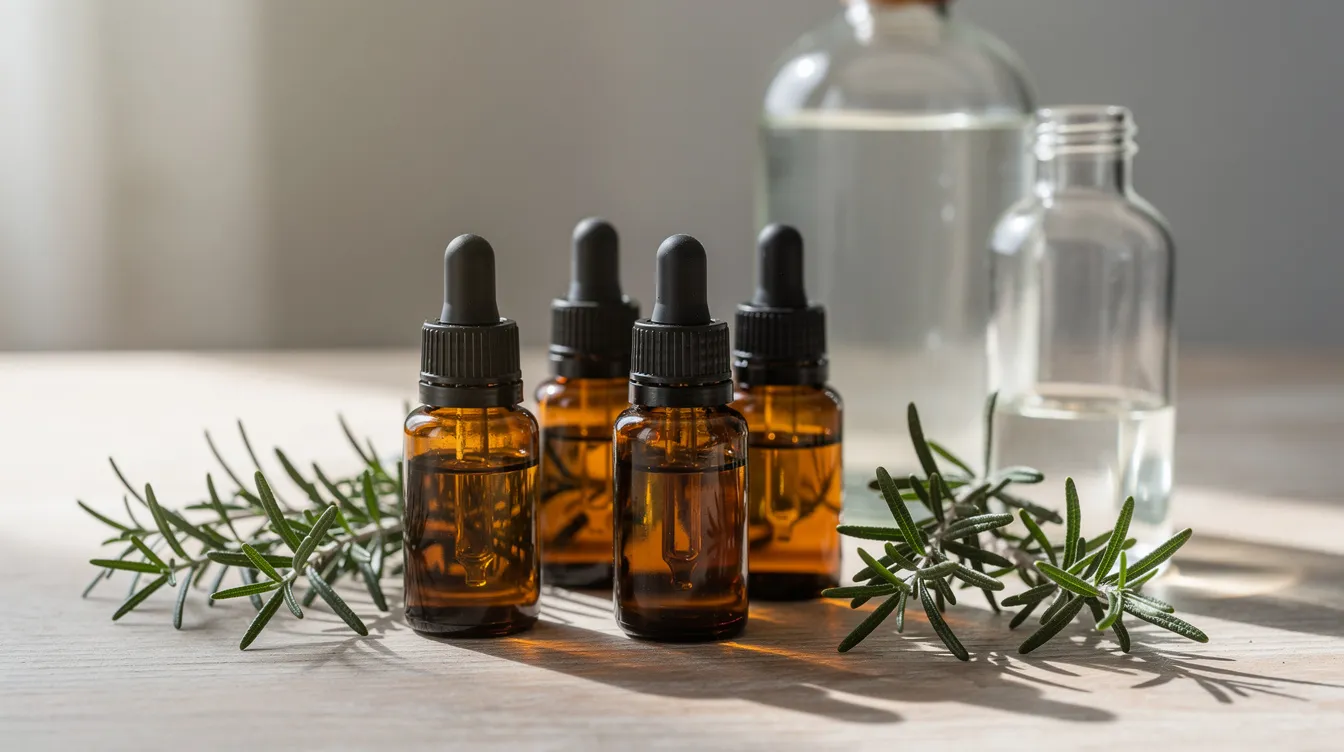
Healthy hair starts beneath the surface. Every strand begins at the scalp, where follicles depend on adequate blood flow, balanced moisture, and minimal inflammation to do their job well. That is exactly why scalp oil for hair growth has gained serious attention-not just on social media, but in clinical research.
This guide breaks down what the science actually supports, which oils match which hair type, and how to build a routine that gives your hair and scalp the best shot at improving hair growth without wasting time or money.
How Scalp Oil Can Stimulate Hair Growth
Healthy hair always starts at the scalp and hair roots, not at the ends. When the scalp environment is compromised-dry, inflamed, or starved of nutrients-follicles struggle to produce strong strands. Scalp oil creates the optimal environment for growth by addressing several of these root causes simultaneously.
-
Boosting scalp circulation: Massaging oil onto the scalp increases blood flow, which helps deliver oxygen and nutrients directly to hair follicles. This increases circulation and may encourage resting follicles to re-enter the active anagen growth phase. Scalp oils nourish the skin and boost blood circulation at the same time.
-
Reducing micro-inflammation: Chronic low-grade inflammation-triggered by pollution, tight hairstyles, or conditions like dandruff-can suppress follicle activity and worsen hair loss. Anti-inflammatory oils help calm the scalp, and scalp oil can reduce irritation and nourish follicles over time.
-
Strengthening the hair shaft: Oils help fill the gap between cuticle cells along the hair shaft, sealing in moisture and reducing friction damage. Well-moisturized hair is less prone to snapping, so existing strands stay intact longer. This makes hair appear fuller even before significant new growth comes in.
-
What oils cannot do: Scalp oils optimize scalp health, but they cannot regenerate follicles that have been destroyed by scarring conditions (such as lichen planopilaris or burns) or reverse advanced, long-standing baldness. They work best as a preventive and supportive measure.
Understanding Hair Growth, Hair Loss, and Thinning
Before choosing an oil blend, it helps to understand the biology you are working with.
-
The hair growth cycle has three main phases: anagen (active growth, lasting two to seven years for scalp hair), catagen (a brief two-week transition), and telogen (a two- to three-month resting phase before shedding). At any given time, roughly 85–90 percent of your scalp hairs are in anagen.
-
Common causes of hair thinning include genetic pattern hair loss (androgenetic alopecia), hormonal shifts such as postpartum or perimenopause, chronic stress, nutritional deficits (iron, vitamin D, protein), and damage from tight styles or excessive heat.
-
It is important to distinguish between diffuse shedding (a widened part line, more hairs on the pillow), which often responds to topical care, and patchy hair loss (distinct bald spots), which may signal an autoimmune condition like alopecia areata and needs medical review.
-
Scalp oil is one component of a broader hair care and lifestyle approach. Serious or sudden hair loss should always be evaluated by a dermatologist or trichologist rather than managed with home remedies alone.
Choosing the Right Scalp Oil for Your Hair Type
The same oil that transforms thick curls can leave fine hair limp and greasy. Customization is everything.
-
Fine hair or easily weighed-down hair: Stick with lighter options like jojoba oil, grapeseed oil, or squalane. Apply minimal amounts directly to the scalp, keeping product away from fine strands to avoid weighing hair down.
-
Medium, wavy hair, or straight hair: Balanced blends work well. Apply a lightweight oil to the scalp and mid lengths, keeping hair texture in mind so the result is hydrated without looking greasy.
-
Thick, coarse, or curly hair: Richer formulas with castor oil, coconut oil, or olive oil suit thick strands, especially for people with coily and textured hair types. Longer pre-shampoo treatments-thirty minutes or overnight-allow heavier oils to penetrate deeply and nourish both scalp and ends.
-
Oily hair or acne-prone scalp: Choose non-comedogenic carriers like grapeseed or light jojoba and pair them with habits that prevent greasy hair, such as avoiding overwashing and heavy styling products. Use quick-rinse, pre-shampoo formulas and avoid heavy occlusives that sit on the scalp for extended periods. If breakouts appear, reduce frequency immediately.

Best Natural Oils for Scalp Health and Hair Growth Support
Not all hair growth oils are created equal. Some have clinical data behind them, while others are valued primarily for their cosmetic benefits. Here's what current research says about some of the most popular natural oils for healthy hair and scalp care.
-
Jojoba Oil: Its wax-ester structure closely mimics natural sebum, making it excellent for balancing both dry and oily scalps. Jojoba oil moisturizes without feeling heavy and serves as a versatile carrier oil for nearly every hair type. However, human studies have not shown it directly increases hair count.

-
Castor Oil: Rich in ricinoleic acid, castor oil helps strengthen hair strands, reduce breakage, and lock in moisture. Laboratory research suggests it may influence prostaglandin D2, a compound elevated in balding scalps, but robust human studies confirming hair regrowth are still lacking. Its primary benefit is improving the appearance of thicker, shinier hair.

-
Rosemary Oil: Rosemary essential oil has the strongest clinical evidence among natural oils for supporting hair growth. In a 2015 randomized clinical trial, rosemary oil produced hair count improvements comparable to 2% minoxidil after six months while causing less scalp itching. It is believed to support scalp circulation while providing antioxidant protection.

-
Peppermint Oil: A four-week animal study found that 3% peppermint oil increased follicle number, dermal thickness, and IGF-1 expression compared with controls. Human research remains limited, but peppermint oil is widely appreciated for its cooling sensation and scalp-refreshing properties.

-
Other Useful Plant Oils: Pumpkin seed oil has shown promising results when taken orally. In a placebo-controlled clinical trial, men taking pumpkin seed oil experienced approximately a 40% increase in hair count over 24 weeks compared to 10% in the placebo group. Grapeseed oil is rich in vitamin E and linoleic acid, while batana oil, baobab oil, and Moroccan argan oil are valued for deep conditioning and improving hair softness and shine. Many pure botanical carrier oils also provide antioxidants that help protect the scalp from environmental stress.

Essential Oils vs Carrier Oils: What's the Difference?
Understanding this distinction is critical for safe use. Essential oils are highly concentrated plant extracts-a single drop packs far more potency than a tablespoon of carrier oil.
-
Carrier oils (jojoba oil, coconut oil, sweet almond oil, argan oil) form the moisturizing base of any scalp treatment. They dilute essential oils, make application smooth, and provide their own fatty-acid benefits. Coconut oil penetrates the hair shaft better than many other oils, which is why it is popular for deep conditioning.
-
Essential oils (peppermint, rosemary, lavender oil, tea tree oil, geranium oil) are potent extracts used in a few drops for targeted benefits-circulation, anti-inflammation, antimicrobial action. They connect to holistic aromatherapy traditions but require careful handling. Rosemary oil should be diluted in a carrier oil before applying to avoid burns or irritation.
-
Safe dilution: For most adults, aim for around 1–3% essential oil in a carrier oil. That translates to roughly three to six drops of essential oil per tablespoon of carrier. Going higher increases the risk of contact dermatitis, especially on sensitive scalps.
-
Patch testing: Apply a small amount of the diluted blend behind your ear or on your inner arm and wait 24 hours. If redness, burning, or rash develops, do not use that blend on your scalp.
Scalp Oil Benefits by Hair Concern
Different concerns call for different strategies. Here is a quick map.
-
Hair thinning and early hair loss: Focus on rosemary or peppermint oil blends in a light carrier oil, paired with gentle scalp massage and a consistent three- to six-month routine or complementary hair growth-focused treatments and oils. Scalp oil moisturizes and reduces dandruff at the same time, helping create a healthier growth environment.
-
Damaged hair from bleaching, coloring, or heat: Richer oils like argan oil, coconut oil, or avocado oil applied on lengths and ends help rebuild moisture barriers and strengthen hair. When applying to damaged hair, focus application on hair ends, avoiding roots if your scalp tends toward oiliness. Many users report hair that is noticeably softer after just a few applications.
-
Dry, tight, or flaky scalp: Soothing carriers like jojoba or sweet almond paired with tea tree (for treating dandruff) or chamomile essential oil can relieve tightness. Oils can help relieve dryness and reduce flaking while oils prevent dryness and fight dandruff by balancing natural moisture. Start with shorter contact times to gauge tolerance.
-
Fine hair that tangles easily: Use a lightweight oil as a pre-shampoo so it rinses fully, preventing limp roots. This approach lets you retain length without sacrificing volume. Length retention improves because well-conditioned strands tangle and snap less.
-
Protective styles (braids, twists, weaves): Apply oil along part lines and edges using a nozzle-tip applicator. This targeted scalp care keeps the scalp comfortable without over-oiling extensions or wefts. Regular oiling helps remove toxins and keeps the scalp hydrated beneath styles that restrict airflow.
How to Apply Scalp Oil Correctly
Correct application matters just as much as the formula when you want to stimulate hair growth. A rushed, heavy-handed approach can leave you with greasy roots and zero benefit.
-
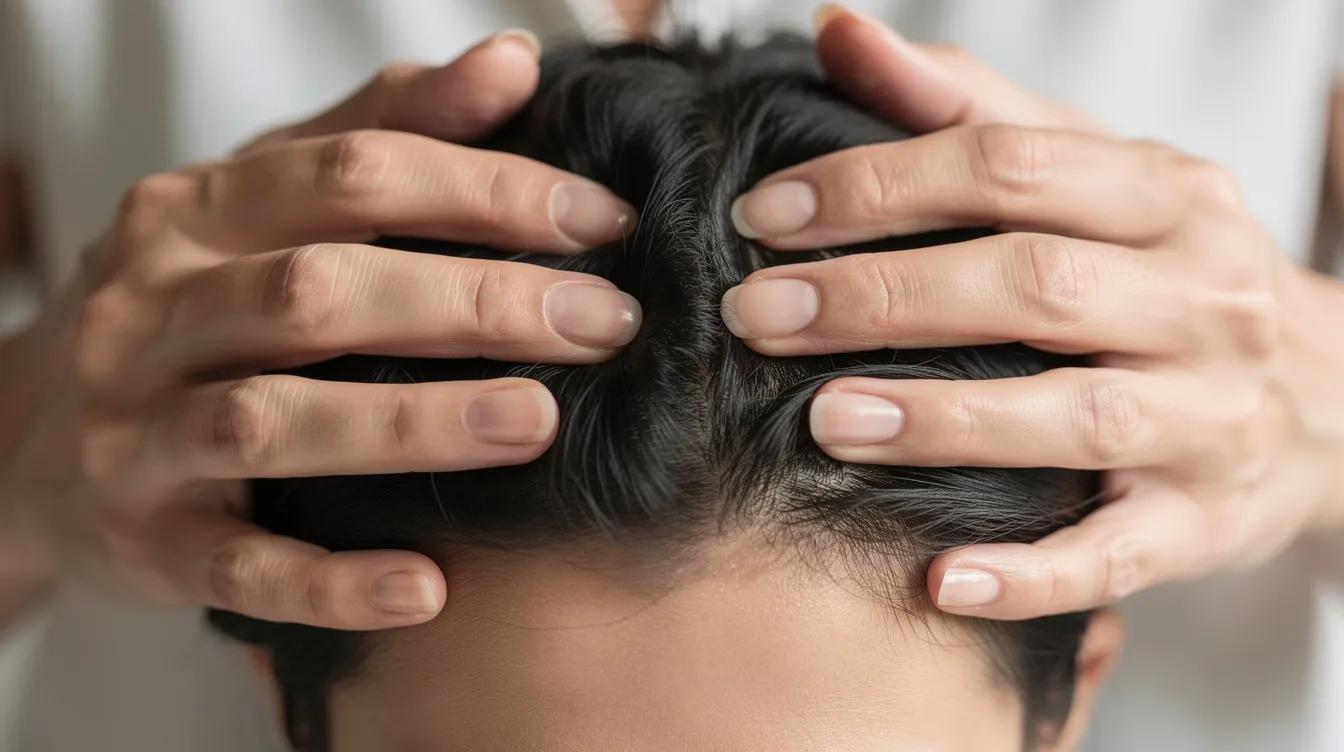
Preparation: Start with dry or slightly damp hair. Section hair into four to six parts so the scalp is clearly visible. You can use a scalp massager or your fingertips.
-
Dosing: Most people only need one to two teaspoons total. Use 1–2 drops of oil per section for best results-more does not equal faster hair growth. Choose high-quality carrier oils as your base and warm oil between palms before application to help it spread evenly.
-
Massage: Use fingertips (never nails) in small circles for three to five minutes. Massage oil into scalp to promote circulation and help the formula absorb. Massaging oil into the scalp may temporarily increase blood flow, which supports nutrient delivery to follicles. Massaging oil increases blood circulation to deliver nutrients effectively.
-
Timing: Leave oil on for at least 30–60 minutes as a treatment. For intense hydration, apply scalp oil overnight-just protect your pillow with a towel or silk wrap.
-
Removal: Use a gentle shampoo, sometimes a double cleanse, to clear residue. This step is especially important for fine hair, where leftover oil can flatten roots.
Creating a Weekly Scalp Oil Routine
Consistency beats intensity. A simple, sustainable schedule delivers far better results than sporadic heavy treatments.
-
Normal or combination scalp: One to two oil treatments per week, spaced out by several days, works well for most people. Schedule treatments before your regular wash day and pair them with a gentle rice-based shampoo and conditioner to avoid stripping the scalp.
-
Very dry or tight scalp: Start with two to three times per week, then taper down once symptoms like flaking and tightness improve.
-
Oily or acne-prone scalp: Begin with once-weekly pre-shampoo treatments and monitor for congestion. Reduce frequency if breakouts appear.
-
Timeline expectations: Many people notice softer, more manageable hair within one to two weeks. Changes in shedding density and hair thickness tend to emerge around 12–16 weeks. A hair tonic effect-where scalp comfort and hair quality noticeably improve-usually precedes visible regrowth.
-
Track your progress: Take photos in the same lighting and at the same part line every four weeks. Objective documentation beats memory when evaluating whether improving hair growth is actually happening.
DIY Scalp Oil Blends You Can Try
Making your own oil blend gives you full control over ingredients and concentration. Use a clean glass bottle, fresh ingredients, and always patch-test before full use.
-
Growth-support blend: Combine two tablespoons of jojoba oil with a few drops each of rosemary and peppermint oil (stay within 1–3% dilution), or use a ready-made rosemary mint hair and scalp elixir oil. Massage directly onto the scalp two to three times per week. This simple blend promotes growth and supports hair health.
-
Soothing dry-scalp blend: Mix equal parts jojoba and sweet almond oils, then add two to three drops each of chamomile and lavender oil, or opt for a gentle rosemary mint scalp elixir if your skin tolerates essential oils well. This combination calms irritation and pairs well with a holistic aromatherapy approach to scalp care. It softens hair and eases tightness.
-
Strengthening blend for damaged hair: Combine argan oil and castor oil in a 2:1 ratio. Apply to mid lengths and ends, avoiding the scalp if you are prone to oily hair. Castor oil strengthens strands and reduces breakage in this context, while argan oil adds shine.
-
Storage and hygiene: Discard DIY blends after two to three months. Store in a cool, dark place and avoid contamination from wet fingers or unclean droppers.
Scalp Oils and Fine Hair: Avoiding Greasy Roots
People with fine hair often avoid scalp oil entirely out of fear of flat, lifeless roots. That concern is valid, but solvable.
-
Use ultra-light formulas like jojoba, grapeseed oil, or squalane. A lightweight oil absorbs quickly and avoids weighing hair down. Dropper tips give you precise scalp placement on fine strands.
-
Keep contact times short-20 to 40 minutes before shampooing is enough to deliver benefits without leaving limp roots.
-
Focus oil on the scalp skin itself, not dragging it through the full length of fine strands. This is key to avoiding the look of oily hair.
-
Schedule oil treatments the night before or morning of a wash day so hair is always rinsed clean afterward. This prevents buildup that can make baby hairs at the hairline look stringy.
Common Mistakes When Using Scalp Oil
Misusing scalp oil can lead to clogged pores, increased irritation, or the frustrating impression that your hair is shedding more than before.
-
Using too much product: Excess oil suffocates the scalp, attracts dirt, and requires harsh shampooing that strips and damages hair. A little goes a long way-never apply oil directly in large amounts.
-
Leaving heavier oils on for days: Skipping wash day while heavy oil sits on the scalp increases the risk of follicle clogging, yeast overgrowth, and worsened flaking.
-
Aggressive massage or scratching: Vigorous rubbing or using nails can loosen fragile hairs in telogen, making shedding seem worse. Gentle, circular motions are sufficient.
-
Ignoring underlying medical issues: Sudden patchy hair loss, scaly plaques, or burning sensations on the scalp are not problems that a hair oil can resolve. These need professional evaluation.
-
Mixing too many essential oils at high concentrations: Combining four or five essential oils at maximum strength dramatically increases the chance of allergic reactions. Keep blends simple and dilution conservative.
When Scalp Oil Is Not Enough: Signs You Need a Professional
Scalp oil is a valuable part of hair care, but some situations demand clinical expertise.
-
Rapid, dramatic shedding over a few weeks, visible bald patches, or clumps of hair coming out in the shower warrant immediate medical attention.
-
Scalp symptoms like bleeding, thick crusts, intense itching, or pain that persist beyond a couple of weeks are not normal and may indicate conditions ranging from psoriasis to fungal infection.
-
A family history of early pattern baldness plus visible miniaturization (very fine, wispy hairs replacing thicker ones) at the temples and crown suggests androgenetic alopecia. Minoxidil takes three to six months to reactivate hair follicles and is one of the first-line medical treatments for this condition. Minoxidil takes three to six months to reactivate follicles, so early intervention matters.
-
Consult a dermatologist or trichologist for proper diagnosis, lab work (iron, vitamin D, thyroid), and evidence-based treatments.
-
Scalp oil can often be used alongside medical treatments if your clinician agrees, helping maintain scalp comfort and hair strength during pharmacological therapy.
Supporting Hair Growth from the Inside Out
Topical scalp oil works best when paired with internal support. Think of it as feeding the soil from both above and below.
-
Diet: Adequate protein, iron, zinc, and key vitamins-particularly vitamin D and B vitamins-are foundational for strong hair growth and thickness. Biotin supplements hair strength and quality, though most people get enough from a balanced diet.
-
Stress and sleep: Chronic stress and poor sleep can shift more hairs into the shedding phase (telogen effluvium). Basic stress-reduction habits-movement, adequate sleep, breathing exercises-support your hair health from the inside.
-
Gentle everyday care: Minimize heat styling, avoid chronically tight ponytails or braids, and choose mild shampoos to protect fragile thinning hair. Every styling choice either supports or undermines the work your scalp oil is doing.
-
Medications and health changes: Track any prescriptions or health shifts that coincided with when hair thinning started. Some medications, thyroid disorders, and autoimmune conditions alter growth cycles in ways that topical oils alone cannot address.

Scalp Oil Safety, Allergies, and Patch Testing
Safe experimentation beats fear. Most people tolerate diluted scalp oils without issue, but a few precautions prevent problems.
-
Patch test method: Apply the diluted blend to a small skin area (behind the ear or inner arm) for 24 hours. Patch-test a new product before applying it to your whole scalp. Check for redness, burning, or rash before proceeding.
-
Extra caution groups: People with eczema, psoriasis, asthma, or a history of fragrance allergies should start with the lowest concentration and simplest formulas. Any beauty writer covering scalp care will echo this advice.
-
Eye safety: Avoid getting oils in the eyes. If contact occurs, rinse immediately with cool water.
-
Stop and seek help if severe itching, swelling, or breathing issues develop after application. These could indicate a true allergic reaction requiring medical attention.
Scalp Oil Myths vs Reality
Social media has turned scalp oil into a trending topic, but not everything you see online holds up.
-
Myth: More oil means faster growth. Reality: excess oil can backfire by clogging follicles and trapping debris. Quality of application matters more than quantity.
-
Myth: One "miracle oil" works for everyone. Reality: different blends suit different scalps and hair types. What delivers the best hair results for thick strands may be terrible for fine strands.
-
Myth: Scalp oil can reverse longstanding bald patches. Reality: oils optimize conditions for existing follicles but cannot regenerate follicles destroyed by scarring alopecia or decades of inactivity.
-
Myth: Initial shedding means the oil is not working. Reality: an initial increase in visible shedding may sometimes be normal if long-stuck telogen hairs are loosened during massage. Sustained heavy loss, however, is a red flag worth investigating.
How Long Until You See Results?
Setting explicit expectations prevents frustration and keeps you consistent long enough for oils to work.
-
Scalp comfort and flake reduction can improve within one to three weeks of regular oil treatments. Hair typically feels noticeably softer and more manageable in this window. You may also notice new baby hairs along the hairline sooner than expected-visible results can appear in as little as six weeks for some people.
-
Measurable changes in shedding and hair density often require at least one full hair cycle shift, typically three to six months. Hair growth treatments typically require at least six months for results, aligning with the timeline seen in the rosemary vs. minoxidil trial. Hair growth treatments require at least six months for results in most cases of pattern loss.
-
Pattern hair loss may require ongoing, indefinite maintenance. Stopping all care can allow thinning to progress again, much like discontinuing minoxidil.
-
Set realistic goals: thicker-feeling, shinier hair and a calmer scalp are achievable even if regrowth is slow. Focus on hair growth and thickness improvements you can measure over months, not days.
Integrating Scalp Oil with the Rest of Your Hair Care Routine
Scalp oil should slot into your existing routine, not replace everything else.
-
Use scalp oil mainly as a pre-shampoo treatment one to two times weekly. Occasional light use on dry, irritated patches between washes is fine if your scalp tolerates it. On application days, warm oil between your palms, apply to sections, and follow with your normal cleansing and conditioning steps.
-
Coordinate with leave-in conditioners, masks, and heat protectants so hair is nourished but not overloaded. Layering too many products creates buildup that defeats the purpose of scalp care.
-
If you work out frequently, opt for shorter pre-workout or pre-wash treatments instead of daily heavy applications. This keeps your hair scalp clean and prevents sweat from trapping oil against the skin.
-
Adjust frequency seasonally-more treatments during winter dryness when dry hair is common, fewer in humid summer months-based on how your scalp feels. Let your scalp's feedback guide you.
FAQs
Can scalp oil really regrow hair in bald spots?
Oils can optimize scalp health and may help dormant follicles resume activity, but they cannot create new follicles where skin has scarred or where long-term baldness has eliminated viable follicles. Anyone with shiny, completely smooth bald areas or long-standing patches should consult a dermatologist to explore medical and procedural options. Early intervention-when hair is just starting to thin-is far more likely to respond to topical care, including scalp oils.
Is peppermint oil safe to use on the scalp every day?
Peppermint oil must always be diluted in a carrier oil. Daily use may be too frequent for sensitive scalps. Start with one to two times per week, monitor for burning, redness, or headache sensations, and adjust the dilution or frequency as needed. People with migraines, very reactive skin, or children should be especially cautious and seek professional guidance before regular use.
Will scalp oil make my dandruff worse?
Some heavier, occlusive oils can trap yeast and worsen flaking, while antimicrobial options like tea tree or diluted lemongrass may actually improve it. Use lighter, antimicrobial-leaning blends and rinse thoroughly. If thick, yellowish scales or intense itching persist after a few weeks of gentle care, medical dandruff treatments are likely needed.
Can I leave scalp oil on without washing it out?
A very small amount of light oil can sometimes serve as a leave-in on dry, flaky areas, but heavy coatings left for days can clog follicles. Most people should treat scalp oil as a pre-shampoo step, especially those with fine hair or an oily scalp, to avoid buildup. Adjust contact time based on how quickly hair feels greasy or weighed down.
Are scalp oils safe to use during pregnancy or breastfeeding?
Simple carrier oils are usually well tolerated, but certain essential oils-including some concentrated peppermint, rosemary, or clary sage formulas-are used cautiously during pregnancy. Discuss any essential-oil-heavy blend with your healthcare provider before use during pregnancy or breastfeeding. Opting for very mild, fragrance-light carrier oil treatments is the safest approach if sensitivity is a concern.


