


Alcohol Free Hair Gel: Complete Guide to Gentle, Long-Lasting Hold
Key Takeaways
-
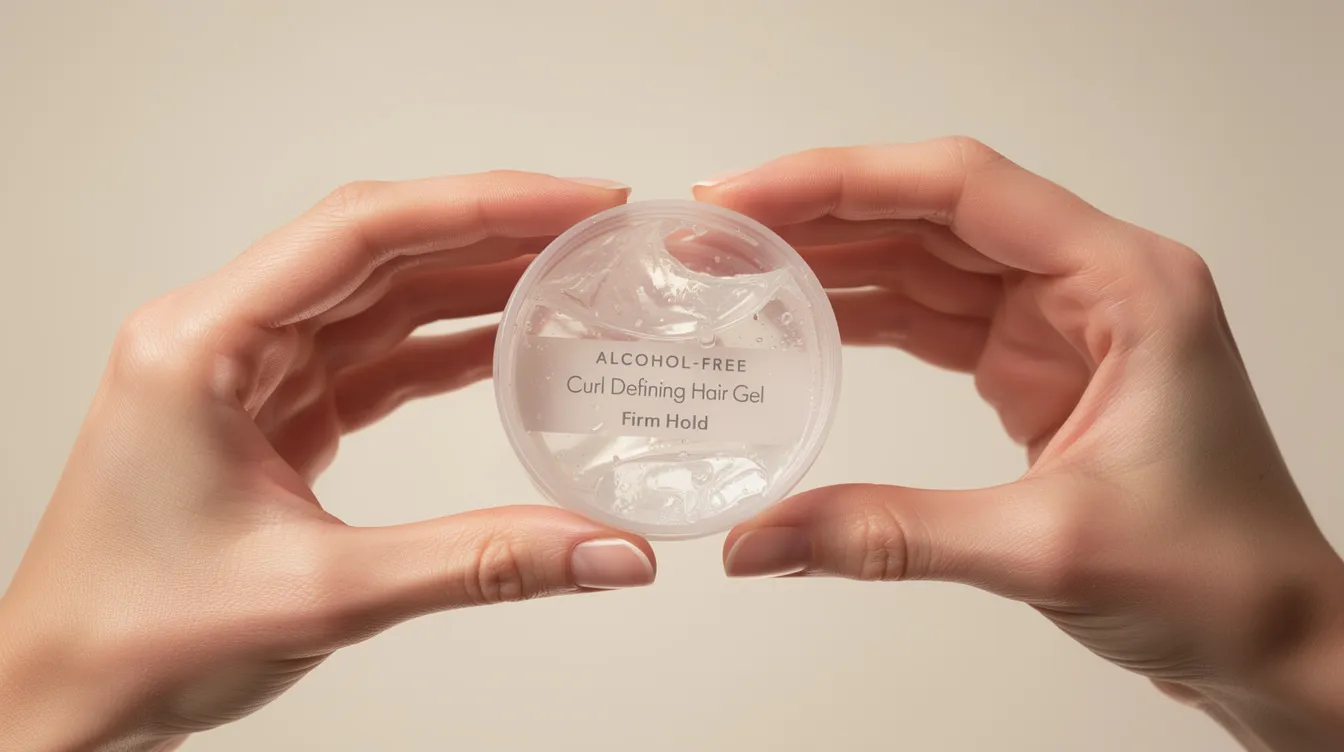
Alcohol free hair gel delivers firm hold and definition without the drying, flaking, or scalp irritation caused by traditional formulas
-
Modern formulations use plant-based polymers like acacia senegal gum instead of harsh SD alcohol or denatured alcohol
-
Sensitive scalps, color-treated strands, and curly or coily textures benefit most from these gentle formulas
-
Proper application on damp hair with small amounts prevents greasiness and maximizes all-day style
-
IWELL US prioritizes alcohol free styling options designed for everyday use across all hair types
Introduction to Alcohol Free Hair Gel
In 2026, alcohol free hair gel refers to styling products formulated without volatile, drying alcohols such as SD alcohol, denatured alcohol (often listed as alcohol denat.), isopropyl alcohol, or ethanol. These harsh compounds dominated traditional gels for decades, creating quick-drying but ultimately damaging effects on hair and scalp.
Many older gel formulas contained 40-70% drying alcohols to achieve that rapid-hardening effect. The result? Stiff, crunchy texture that flakes upon movement and strips natural oils from your hair shaft. Modern alcohol free formulas take a different approach, using plant-derived film-formers that provide flexible hold without brittleness.
It’s worth noting that fatty alcohols like cetyl alcohol or stearyl alcohol function differently—they’re emollients that condition and lubricate rather than dry. True alcohol free gels avoid the solvent-type alcohols while sometimes including these beneficial fatty alcohols for added slip. This guide covers benefits, key ingredients, hair-type matching, and step-by-step styling tips for achieving your desired style, complementing broader natural beauty and self-care insights for healthier routines.

Why Choose Alcohol Free Hair Gel?
Comparing gels from the early 2000s to today’s options reveals a complete shift in formulation philosophy. Those older products prioritized fast drying over hair health, leading to widespread issues like seborrheic dermatitis flare-ups, increased split ends, and persistent frizz after repeated use.
Drying alcohols strip the hair’s natural oils and disrupt the scalp’s acid mantle (pH 4.5-5.5), causing inflammation and itchiness. Traditional gels can dehydrate strands by 25-35%, dulling cuticles and promoting breakage. Users transitioning to alcohol free options typically report softer texture and fewer splits after just 4-6 weeks.
For those who style everyday, use a blow dryer, or color their hair frequently, alcohol free styling gel becomes essential. Your hair is already under stress—adding harsh alcohols compounds the damage. Sensitive scalp users experience less redness and tightness, while the non-toxic profiles ensure biocompatibility for daily styling.
-
Alcohol-free hair gels are less likely to dry out hair compared to those containing alcohol, making them a better choice for maintaining moisture and preventing damage.
Key Ingredients in Modern Alcohol Free Hair Gels
Between 2015 and 2026, ingredient lists transformed dramatically as brands moved away from high alcohol content toward gentler, more effective alternatives.
Film-forming agents provide the foundation for hold. Plant-derived polymers from sources like acacia senegal create a sheer, elastic sheath around each strand, delivering medium to firm hold (rated 5-7 on a 1-10 stiffness scale) that withstands humidity better than alcohol-stiffened styles.
Moisture-sealing ingredients include:
-
Olive fruit oil for shine and frizz control and to pair with other natural hair growth treatments
-
Pumpkin seed oil for cuticle penetration
-
Glycerin and aqua bases for hydration
-
Propylene glycol for smooth distribution
Botanical extracts like chamomile flower extract, nettle leaf, and dandelion deliver antioxidants that neutralize free radicals from UV or heat styling. Studies on similar plant polyphenols show up to 18% improvement in tensile strength for treated hair.
Many alcohol free gels now avoid strong synthetic fragrances, opting for unscented or light botanical scent profiles. This reduces irritation risks by up to 90% in sensitive scalps.
-
These gels often contain natural ingredients that can provide additional benefits such as conditioning and strengthening hair, which is not typically found in alcohol-based products.
Benefits by Hair Type and Concern
Alcohol free gels work across fine, thick, curly, wavy, coily, and straight hair—but application technique matters significantly.
Curly and coily hair (3A-4C)
These textures benefit most from alcohol free formulas. The gel helps enhance curl definition through shingling or praying hands techniques, creating a flexible cast that breaks with gentle scrunching. Those working to care for coily, curly, and textured hair can expect 24-48 hour hold without crispiness—a complete contrast to the day long dryness from alcohol-heavy other gels.
Wavy hair (2A-2C)
Apply from mid-lengths to ends for beachy definition without weighing waves down. This approach maintains volume at the roots while controlling frizz through the ends for up to 12 hours.
Fine or thinning hair
Use a small amount (pea-sized per section) focused at roots and crown for lift. Lightweight polymers provide control without flattening, unlike heavy oil-based formulas that create greasy, limp results.
Color-treated or chemically processed hair
Avoiding harsh alcohols preserves color vibrancy since alcohols accelerate pigment oxidation 2-3 times faster. Incorporating natural hair care products alongside alcohol free options helps maintain pH balance, slowing fade by 20-30%.
-
Using alcohol-free hair gel can help reduce frizz and enhance shine, as they often include moisturizing agents that help to seal in hydration.

How to Use Alcohol Free Hair Gel for Best Results
Technique matters as much as product choice, especially for 2A-4C textures. The process of applying gel correctly determines whether you achieve a polished look or a stiff, flaky mess.
Step 1: Start with clean, damp hair. Towel-dry or use a T-shirt to remove excess water without creating frizz. Working on wet hair helps the gel distribute evenly.
Step 2: Rub a small amount of gel between your palms until it becomes smooth and slightly warm. This activates the formula and prevents clumps.
Step 3: Apply using the method that matches your hair type. For locs or protective styles, reach for a lock and twist gel formulated for braids and locs or consult a detailed guide on choosing the best braiding gel for protective styles, while other hair types can apply as follows:
-
Waves: Rake through from roots to ends
-
Curls: Use praying hands or shingling techniques
-
Sleek styles: Brush or comb through for complete coverage
Step 4: Choose your drying method. Air-dry to preserve maximum moisture, or use a diffuser attachment on low heat to enhance definition without significant shrinkage. Simply scrunch dry at the end to break any light cast, paying attention to how different braiding gel ingredient combinations and Loc Star Braid & Loc Gel formulations impact flexibility and residue as your style sets.
Styling tip
- Layer alcohol free gel over leave-in conditioner or curl cream to seal in moisture and add extra definition. This combination can boost hold duration by 30-50% in humid conditions and helps when following tips to prevent greasy hair.
- To avoid breakage, always ensure your hair is properly moisturized before applying gel.
Common Myths About Alcohol Free Hair Gel
Many people still associate “alcohol free” with weak hold or sticky residue. Let’s address these misconceptions directly.
Myth 1: “Alcohol free gel can’t give strong hold”
Modern polymers deliver firm, all-day hold when applied correctly. Film-forming agents from botanical sources create structure that lasts through humidity and movement without the brittleness of alcohol-based formulas.
Myth 2: “It always leaves hair greasy”
Greasiness typically comes from over-application or pairing with very heavy creams—not the gel itself. Start with less than you think you need, and when adding oils, choose lightweight natural hair oils applied sparingly.
Myth 3: “It’s only for curly hair”
Straight and wavy hair types benefit from flexible control, humidity protection, and shine enhancement. These formulas work to create any shape you’re after.
Myth 4: “It builds up quickly”
Well-formulated gels are water-soluble and rinse cleanly with regular shampooing. Unlike alcohol residues requiring weekly clarifiers, quality free hair gel minimizes buildup when used moderately.
-
Alcohol-free alternatives generally provide a clean finish with no residue, eliminating unwanted flaking.
How to Read Labels and Avoid Drying Alcohols
With more products available online in 2026, scanning ingredient lists before purchase is essential for finding gentle formulas.
Watch for these drying alcohols:
|
Ingredient Name |
Common Label Listing |
|---|---|
|
SD Alcohol |
SD Alcohol 40 |
|
Denatured Alcohol |
Alcohol Denat. |
|
Isopropyl Alcohol |
Isopropyl |
|
Ethanol |
Ethyl Alcohol |
When these appear high on the ingredient list (top 5-10), they likely comprise more than 10% of the formula—enough to cause drying effects.
Fatty alcohols are different. Cetyl alcohol and stearyl alcohol act as emollients, not drying agents. Their packaging and position lower in ingredient lists indicate conditioning rather than damaging properties.
Refer to clear “alcohol free” wording that specifically addresses the absence of denatured or SD alcohols. For more support in finding the right formula, consider patch testing new gels or gentle rose water for hair and skin on a small scalp or skin area for 24 hours, especially if you’re prone to allergies or dermatitis.
FAQ
These practical questions cover topics not fully addressed in the main sections, helping you discover the best approach for your hair life.
Can I use alcohol free hair gel every day?
Daily use is generally fine because there are no harsh drying alcohols stripping moisture from your strands. Those who cleanse or co-wash regularly can use these gels without concern. If you have very fine hair, clarifying once a week prevents light polymer buildup. On non-wash days, adjust by refreshing frizzy areas with a spray of water rather than fully re-applying from roots to ends.
Is alcohol free hair gel safe for children’s hair?
Alcohol free gel is typically a better choice for kids than high-alcohol formulas. These gentle products work well on delicate scalps and strands. A gentle braiding gel for kids' hair with clean, water-based ingredients offers comfortable hold without irritation, especially when paired with natural kids-friendly care products. Choose options with mild fragrance and simple ingredient lists—ideally unscented. Use a very small amount to smooth edges or tame flyaways. Rinse thoroughly at the end of the day or every few days to maintain scalp health.
Can I layer alcohol free gel with mousse or cream?
Yes—layering is common and can create amazing results for curly and wavy hair needing both moisture and hold. Apply 100% pure carrier oils or a lightweight water-based leave-in or cream first, then seal with a thin layer of gel on top. Avoid combining very heavy creams with large amounts of gel, as this may weigh hair down. Test combinations on a small section first to ensure there’s no flaking or separation. Price considerations aside, the right mix can last all day long.
How do I remove alcohol free hair gel without drying my hair?
Most alcohol free gels rinse out with warm water and a gentle, sulfate-free shampoo or cleansing conditioner. Massage your scalp with fingertips to break up product, then smooth the lather down the lengths without rough scrubbing. Those using heavy styling layers benefit from a clarifying wash every 2-4 weeks, followed by a hydrating conditioner. Medium to light users can alternate wash days with simple water refreshes.
Will alcohol free hair gel hold up in humidity?
Modern alcohol free gels include humidity-resistant polymers designed to keep styles intact in damp weather—many resist water absorption better than alcohol-stiffened styles, which lose up to 50% hold in high humidity. You can explore a range of hair, body, and skincare products that complement gentle styling routines on the IWELL US official site. Performance depends on hair porosity; high-porosity hair benefits from extra leave-in conditioner layered under the gel. Apply in smaller sections and allow hair to dry naturally or with a diffuser before heading outside for best frizz control.


