


Oils for the Hair: Types, Benefits, and How to Use Them
Key Takeaways
-
Hair oils moisturize, protect, and smooth hair strands when chosen and applied correctly based on your hair type and scalp condition.
-
Different oils suit different needs: coconut oil works well for damaged hair, argan oil tames frizz, jojoba oil balances oily scalps, castor oil supports thickness, and rosemary oil may promote hair growth.
-
Frequency depends on hair type—fine hair typically needs lighter, less frequent oiling (once or twice weekly), while thick or curly hair often benefits from more regular applications.
-
Carrier oils like coconut, jojoba, almond oil, and grapeseed oil can be used alone or to dilute essential oils such as rosemary oil, tea tree oil, peppermint oil, and lavender oil, and many people prefer 100% pure botanical carrier oils to keep their routines simple and natural.
-
Always patch test new oils and never apply undiluted essential oils directly to your scalp or skin to prevent irritation.
Whether you have dry ends that need extra moisture or a dry scalp that flakes despite regular washing, oils for the hair offer a time-tested solution backed by both tradition and modern research. From ancient Ayurvedic practices using sesame and coconut for scalp massage to today’s formulations featuring argan and rosemary, natural oils remain a cornerstone of effective hair care. This guide covers which oils work best for different hair types, how to apply them properly, and what to watch out for along the way.
What Hair Types Benefit from Hair Oils?

Virtually all hair types can benefit from the right hair oil when used correctly. Straight, wavy, curly, and coily textures—whether fine, medium, or coarse—respond positively to oils that match their specific needs. The key lies in selecting an oil with the appropriate weight and applying it in quantities that enhance rather than overwhelm your natural hair texture.
Dry, thick, or curly hair often struggles with frizz and needs consistent moisture to maintain curl definition and softness. Heavier carrier oils like coconut or avocado penetrate porous hair strands effectively, binding to keratin and enhancing elasticity. Studies using hygrometers show that fatty acid-rich oils can improve curl definition and elasticity by roughly 25% in these hair types, especially in coily and highly textured hair types.
Fine or thin hair requires a different approach. Lightweight oils like grapeseed oil provide shine and reduce breakage by up to 30% without flattening volume or making hair greasy. The key is using very small amounts—often just a few drops—concentrated on ends rather than roots.
Color-treated or heat-damaged hair benefits from protective oils that shield against further stress as part of a broader natural hair care routine. Argan oil’s ferulic acid content helps preserve up to 15% more color retention after UV exposure, while also reducing thermal damage when applied before blow drying.
Scalp condition matters as much as hair type. A dry scalp with flaking often responds well to nourishing oils like jojoba or almond oil. Meanwhile, an oily or dandruff-prone scalp may improve with tea tree oil or rosemary oil-based blends that address excess sebum and microbial overgrowth and can complement lifestyle changes that help prevent greasy hair. Observe how your hair and scalp feel 24–48 hours after oiling to determine whether you need to adjust the type, amount, or frequency.
Main Benefits of Using Hair Oils
Hair oils deliver multiple benefits when incorporated into a regular hair care routine. They moisturize, protect against damage, enhance shine, and support scalp health—all while reducing the breakage that prevents hair from reaching its full length potential.
Moisture and softness represent the most immediate benefit. Hair oils help to apply moisture and lock it in for long periods of time, making them effective for hydrating dry hair. By forming a protective layer over the hair cuticle, oils reduce transepidermal water loss by 20–50%, keeping lengths and dry ends supple between washes.
Strengthening and breakage reduction come from oils rich in fatty acids and vitamins. Regular application of hair oils can strengthen hair by providing essential vitamins and minerals that promote hair health. Coconut oil’s lauric acid, for example, reduces protein loss by up to 50% in porous or damaged hair, while the slip provided by oils cuts detangling force by approximately 70%, minimizing split ends and mechanical damage.
Protective benefits extend to heat, UV, and environmental stressors. A thin oil layer (2–5 microns thick) can deflect heat up to 230°C and reduce UV-induced lipid peroxidation by 40%. Hair oils can enhance shine by replenishing lost lipids in the hair, which are essential for maintaining a glossy appearance. This makes oiling particularly valuable before heat styling or extended sun exposure.
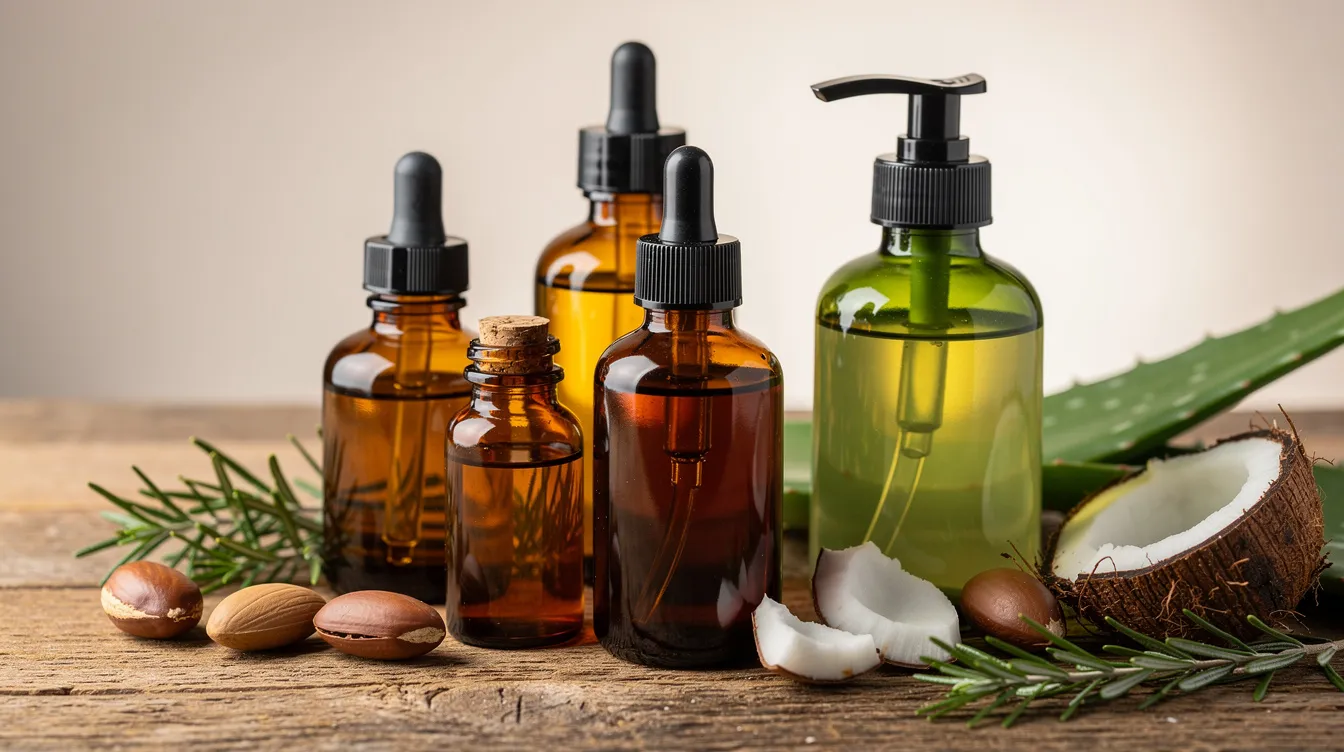
Scalp and growth support result from improved circulation and a healthier follicle environment. Oils can address hair loss or thinning by improving circulation or blocking hormones that cause hair to fall out. Regular use of targeted hair growth treatments and oils can lead to improved scalp health, which is essential for promoting hair growth and reducing hair loss. Massaging the scalp with oils like castor oil or peppermint oil increases blood flow, potentially supporting fuller-looking hair over time. Using hair oils can also help prevent dandruff by moisturizing the scalp and reducing dryness, which is often a cause of flakiness.
How Often Should You Apply Hair Oil?
Ideal frequency depends on hair thickness, porosity, scalp oiliness, and the heaviness of your chosen oil. There’s no universal schedule—what makes thick, coily hair thrive would leave fine hair limp and weighed down.
For fine or easily weighed-down hair, use light oils like argan or grapeseed oil once or twice weekly, focusing on mid lengths and ends. These hair types absorb slowly due to lower porosity, so lightweight applications prevent buildup without sacrificing nourishment.
Normal to thick hair can handle oiling 1–3 times weekly on mid-lengths and ends. A pre-shampoo treatment once or twice per week penetrates best on dry hair, while a small amount of leave-in oil after styling adds finishing shine.
Very dry, curly hair or coily textures often benefit from light daily touch-ups on ends plus weekly deep oil treatments. High-porosity curly hair absorbs up to three times more oil than low-porosity fine hair, making more frequent application both necessary and effective. The frequency of applying hair oil depends on your hair type; for instance, daily application may be suitable for dry ends, while deep treatments might be done once or twice a week.
Signs of overuse include persistent greasiness, limp roots, or flaky buildup on the scalp. If hair looks heavy or feels coated rather than soft, reduce frequency or switch to a lighter oil.
Seasonal adjustment also matters. Cold, dry winter months (20–30% relative humidity) often require 20% more oil or more frequent application. Hot, humid summer weather calls for lighter, less frequent use to avoid fungal risk from excess moisture trapped under heavy oils.
Best Hair Oils and Their Specific Benefits
Natural oils are known to improve hair health, with some oils scientifically supported for stimulating growth. Understanding each oil’s properties helps you choose the right match for your hair texture, scalp condition, and styling routine, and starting with 100% pure carrier oils ensures you’re working with simple, botanical ingredients. Price is also a key factor, as some oils and blends offer affordable options while others are considered luxury investments.
Coconut Oil

Coconut oil is a widely available carrier oil rich in lauric acid (approximately 49% of its composition). Unlike many other oils, coconut oil is known for its ability to penetrate the hair shaft due to its high lauric acid content, which helps protect against styling damage and UV light exposure, potentially aiding in hair growth.
This deep penetration makes coconut oil especially helpful for reducing protein loss in damaged hair, porous strands, or color-treated hair when used as a pre-shampoo treatment. Research shows it can reduce protein leaching by up to 50% compared to untreated hair, which is why a 100% pure natural coconut carrier oil such as 100% Pure Natural Carrier Oil Coconut is often a staple in strengthening routines.
However, coconut oil can be too heavy or protein-like for some low-porosity or very curly hair types, potentially causing stiffness if overused. Apply a small amount to mid-lengths and ends, leaving it on for 20–60 minutes before shampooing. Very dry or thick hair can tolerate overnight pre-wash treatments with the hair loosely braided and protected with a towel.
Olive Oil

Olive oil is a thicker, emollient carrier oil high in oleic acid (around 75%), making it better suited to coarse, dry hair, or very damaged hair than to fine or easily weighed-down strands.
Its larger molecules (18 carbons) mainly coat the outside of the hair shaft rather than penetrating deeply, providing surface slip and shine. Studies show olive oil can boost surface shine by approximately 30% in coarse hair textures.
Use extra-virgin olive oil sparingly as a pre-wash treatment on mid-lengths and ends. Avoid the scalp if prone to oiliness, as it can be difficult to rinse out—sometimes requiring a double wash with shampoo. Kitchen olive oil works in a pinch, but cosmetic-grade options tend to be lighter and more consistent in texture.
Argan Oil

Argan oil, often referred to as “liquid gold,” is suitable for various hair types and is known for its lightweight texture, which helps add shine and moisture to dry, frizzy ends. Rich in tocopherols (vitamin E) and antioxidants, it suits most hair types—especially frizzy, coarse, and color-treated hair.
A few drops can instantly reduce frizz by up to 40% and add noticeable shine without heavy greasiness. Apply 1–3 drops to damp or dry ends, or mix a small amount into leave in conditioner or curl cream for enhanced definition.
Argan oil’s protective properties help limit heat damage (reducing thermal damage by approximately 55%) when used before blow drying, though it shouldn’t replace a dedicated heat protectant spray. Those with fine hair should use very small amounts to avoid weighing hair down.
Jojoba Oil

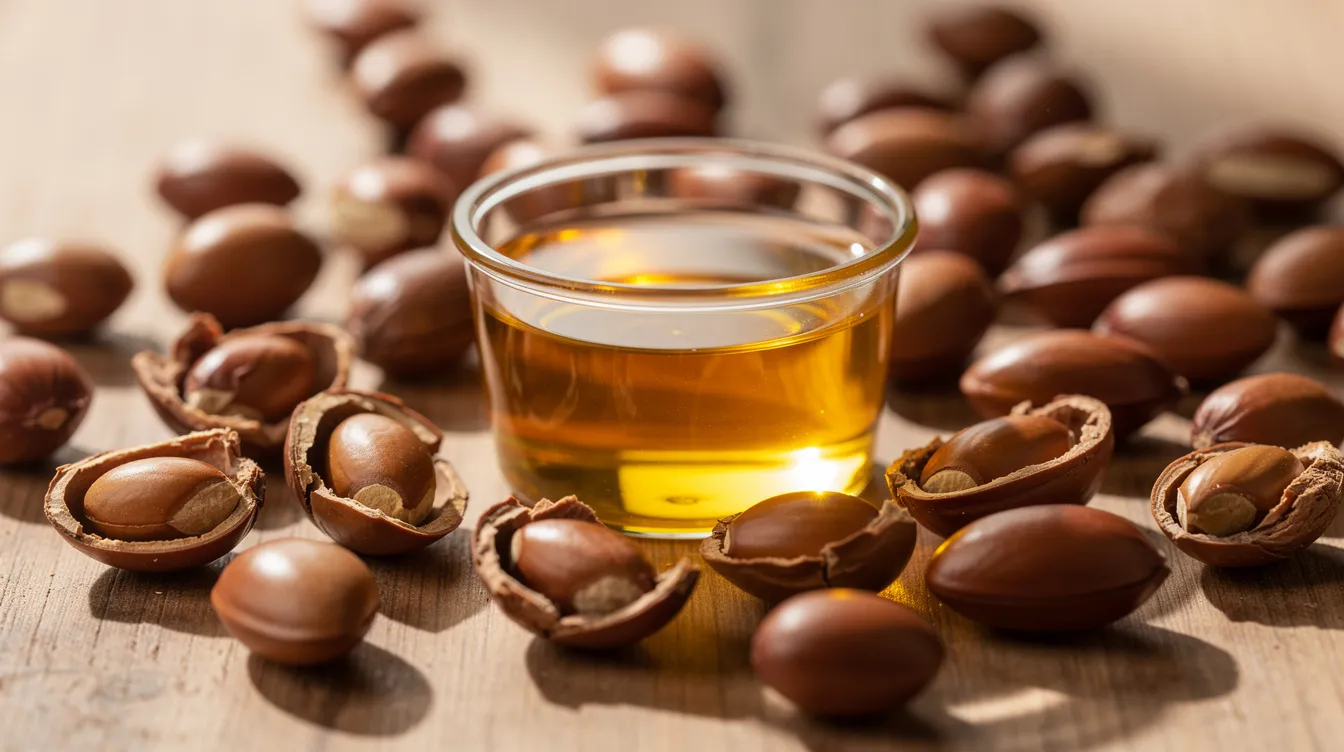
Jojoba oil is technically a wax ester rather than a true oil, and it closely resembles human sebum with approximately 98% structural similarity. Jojoba oil closely resembles the natural oils of the scalp and can penetrate the hair cuticle, providing deep hydration and helping to lock in moisture, making it ideal for dry or damaged hair.
This makes it particularly suitable for scalp care and balancing oil production. Jojoba oil is also effective in reducing protein loss in hair, which can contribute to thinning hair, and it helps treat dry scalp and dandruff. Pilot studies show it can reduce flaking by up to 60% with consistent use.
Massage a few drops into the scalp 30–60 minutes before shampooing, or add a small amount to conditioner for extra slip. Jojoba also serves as an ideal carrier oil for diluting essential oils like tea tree or rosemary for targeted scalp treatments. Lighter oils like 100% pure jojoba carrier oil are recommended for fine hair, while thicker oils like Jamaican black castor oil are better for thick or curly hair, and very lightweight options such as 100% Pure Natural Carrier Oil Grapeseed suit fine or easily weighed-down strands.
Castor Oil

Castor oil is a very thick, viscous oil rich in ricinoleic acid (approximately 90%). Castor oil is rich in ricinoleic acid, known for increasing blood flow to the scalp and stimulate hair follicles, potentially leading to increased hair growth.
It’s especially popular for edges, brows, and areas of thinning hair because it helps lock in moisture and may enhance circulation when massaged into the scalp, and infused options like Jamaican black castor oil with Chebe powder are often chosen to further support thickness and length retention. However, its thickness makes it challenging to spread and rinse out.
Dilute castor oil with a lighter oil like jojoba or a pure grapeseed carrier oil in a 1:1 ratio for easier application. Use it 1–2 times per week as a pre-wash scalp treatment to minimize buildup and avoid overly greasy roots. Focus on massage technique rather than expecting dramatic growth results, and consider incorporating multi-purpose blends like Well’s Oil Batana and growth-focused oils or exploring the wider range of Well’s Oil self-care products if you prefer ready-made formulas.
Other Nourishing Carrier Oils (Almond, Avocado, Grapeseed, Macadamia, Baobab)

Sweet almond oil is a lighter oil that serves as an effective sealing oil, helping to lock in moisture while also nourishing the scalp and potentially preventing hair loss due to its magnesium content. Opting for a 100% Pure Natural Carrier Oil Sweet Almond works well for fine to medium hair and dry scalp concerns.

Avocado oil is rich in vitamin E and fatty acids, making it ideal for thick or very dry, porous hair that needs intensive repair, and rice-derived options like 100% Pure Natural Carrier Oil Rice Bran can offer similarly nourishing fatty acids for hair and scalp.

Grapeseed oil is very light and non-greasy, perfect for fine hair and effective at reducing frizz and smoothing split ends without heaviness; choosing a pure grapeseed carrier oil helps you get these benefits without added fillers.

Macadamia oil offers rich conditioning from its palmitoleic acid content, recommended for thick, curly, or heat-damaged hair needing intensive repair.
Baobab oil provides omega 6-9 fatty acids for improved elasticity (up to 20% in some measurements) and shine, popular in curly hair routines for its nourishing yet relatively non-greasy finish. Manketti oil, also known as Mongongo oil, is gaining popularity for its high protein content, which helps repair and protect weak, brittle hair strands while also providing moisture and shine.
These can be used alone on mid-lengths and ends or blended together to customize weight and slip, and pairing them with a refined rose water mist for hair and skin can add lightweight hydration without extra oil. Start with a single oil to observe how your hair responds before experimenting with complex mixtures, and pair them with hydrating mists such as a rosewater face and hair spray or complementary rice-based shampoos and conditioners for lightweight moisture between wash days.
Popular Essential Oils for Scalp and Hair Support (Rosemary, Tea Tree, Lavender, Peppermint, Ylang Ylang)
Essential oils are highly concentrated extracts from plants, and they can be mixed with carrier oils for use in hair care treatments. When using essential oils on the scalp, it’s important to dilute them with a carrier oil to prevent irritation and follow label instructions for safe usage.

Rosemary oil has been found in some studies to be as effective as minoxidil for promoting hair growth, with fewer side effects. A 2015 randomized trial showed rosemary increased hair count by 22.4% over six months versus 11.8% for minoxidil in androgenetic alopecia cases, and some people prefer multi-ingredient blends such as Batana Oil with Turmeric that combine scalp-supporting botanicals.

Tea tree oil has antifungal and antimicrobial properties and is effective at reducing dandruff caused by yeast overgrowth, with research showing a 5% solution can reduce Malassezia by approximately 40%.

Lavender oil, when used in hair care, has been shown to potentially promote hair growth, although most studies have been conducted on animals rather than humans. It’s valued for its calming scent and potential anti-inflammatory benefits.

Peppermint oil creates a cooling effect from menthol and may enhance blood flow—mouse studies showed it increased follicle depth by 92%, though human research is limited. A gentle peppermint water mist spray can also provide a refreshing boost for scalp and hair when used alongside oils, while a rosemary mint hair and scalp elixir oil offers a more concentrated blend for targeted scalp massage and nourishment.
Ylang ylang is traditionally used for dry scalps and adding shine, mainly valued for its pleasant scent and conditioning properties. Clary sage is another option some find helpful for scalp balance.
Effective oils for hair growth and scalp issues include rosemary, peppermint, and lavender for stimulation and dandruff. Standard dilution is a few drops of essential oil per tablespoon of carrier oil, applied 1–2 times weekly as a pre-shampoo scalp treatment. Saw palmetto oil is valued for its ability to block DHT and reduce inflammation, helping to prevent shedding. Similarly, pumpkin seed oil acts as a natural blocker for DHT, a hormone linked to hair thinning, and can increase hair count in individuals with hormonal hair loss.
How to Apply Hair Oil Properly
Technique and quantity matter as much as the type of oil you choose. Less is often more, especially for fine or straight hair. Essential oils can be used in various ways for hair care, including mixing them into shampoos or conditioners, or using them in homemade treatments.
The three main application methods are pre-wash or overnight treatments for deep conditioning, light leave-in styling for daily shine and frizz control, and targeted scalp massages with diluted essential oils for healthy hair support, such as a rosemary mint hair and scalp elixir oil formulated for circulation and balance or richer Batana-based treatments for growth support and scalp protection.
Oil should be applied to dry or slightly damp hair in small amounts. Work from ends upward using your fingers or a wide-tooth comb to distribute evenly. Always emulsify oil between your palms before applying to avoid concentrated greasy patches. Focus on ends first—roots rarely need oil unless you’re doing a deliberate scalp treatment.
Warm (not hot) oil spreads more easily. Place the bottle in warm water rather than microwaving to heat gently and safely.
Pre-Wash and Overnight Oiling
Hair oil can be applied as a pre-wash treatment by massaging it into the scalp and hair, covering it with a towel or cap, and leaving it overnight before washing it out the next day, and lighter options like mineral-based carrier oils for hair and skin can work well for those prone to buildup. Richer options such as 100% Batana oil are often reserved for more intensive overnight masks. Apply oil to dry hair at least 20–60 minutes before shampooing, focusing on mid lengths and ends to reduce moisture loss during washing. Research shows overnight treatments can increase oil uptake by approximately 30%.
For very dry, thick, or curly hair, detangle first, apply oil generously, braid or twist loosely, and protect your pillow with a towel or sleep cap. In the morning, shampoo thoroughly (sometimes twice) and condition as usual to avoid residue.
Avoid overnight scalp oiling if you have oily or acne-prone skin, as this can increase buildup or transfer oil to the face. Pre-wash routines work well once or twice weekly and are often more effective than heavy daily leave-in oiling.

Light Oiling While Styling
Light oiling adds shine, reduces frizz, and defines curls without weighing hair down. Use 1–3 drops of a lightweight oil like argan, grapeseed, or a thin blend, rubbing it between your palms before smoothing over damp or dry hair.
Curly hair and wavy hair can benefit from “scrunching” a small amount of oil into ends after applying gel or cream to break the cast and add softness—this can enhance curl definition by approximately 25%.
For light oiling while styling, mix your chosen hair oil with water in a spray bottle and lightly spritz it onto your hair before styling to add extra moisture and shine; a few drops of sunflower-based natural carrier oil can create a fine, weightless mist. This DIY mist works well for quick refreshes on second-day hair without weighing it down, while richer options like authentic Batana oil sourced from Honduras or carefully processed 100% Batana oil in raw and unrefined styles are typically used more sparingly as concentrated treatments rather than daily mists.
Risks, Sensitivities, and When to Avoid Certain Oils
Natural oils can still cause irritation, allergic reactions, or acne if used incorrectly or on sensitive skin. Being cautious with new hair products protects both your hair and scalp health.
Common signs of sensitivity include itching, burning, redness, bumps, or increased dandruff-like flaking after applying a new oil or blend. If any of these occur, discontinue use immediately.
Nut-based oils such as almond oil or macadamia should be avoided by anyone with known nut allergies. Patch testing on a small skin area (like the inner arm) for 48 hours before full application is always recommended.
Heavy or frequent scalp oiling can worsen seborrheic dermatitis, clog hair follicles, or increase hair shedding in some people if not washed out properly. Weekly clarifying with a sulfate-containing shampoo can help prevent this buildup.
If you’re experiencing ongoing hair loss, inflamed or painful scalp, or sudden shedding, consult a dermatologist or trichologist before starting intensive oil routines. Oils are supportive for healthy hair maintenance but are not cures for underlying medical hair-loss conditions. It’s important to prevent hair loss through consistent use of gentle treatments rather than expecting oils alone to reverse significant thinning.
Frequently Asked Questions
Can I use the same oil on my scalp and on my hair lengths?
Many carrier oils like jojoba, grapeseed, and lightweight blends work well on both scalp and lengths, though the amount and frequency should differ. Apply minimally to the scalp and more generously to thirsty ends. Heavy oils like castor oil or thick coconut are usually better kept for mid-lengths and ends, or diluted for occasional scalp massages. If you have sensitive or acne-prone skin, treat only the lengths first and introduce scalp application gradually.
Do hair oils actually make hair grow faster?
Oils do not change the genetic rate of hair growth but can create a healthier scalp environment and reduce breakage, which makes hair appear to grow longer over time. Rosemary oil has been shown in studies to promote hair growth, with some research suggesting it may be as effective as minoxidil, a common hair loss treatment. However, view these as supportive rather than standalone treatments. Consistent gentle care—regular washing, conditioning, minimal heat, and careful detangling—matters more for long-term growth than any single oil.
Is it better to apply hair oil on wet or dry hair?
For deep, pre-wash treatments, applying oil to dry hair is usually most effective because it allows the oil to coat and penetrate before shampooing. For light styling and frizz control, slightly damp hair helps distribute oil more evenly and lock in moisture. Avoid heavy oil application to soaking-wet hair, as water already fills the hair shaft and can prevent the oil from settling properly.
Can I leave hair oil in without washing it out?
Small amounts of lightweight oil like argan or grapeseed can be safely left in as a finisher on most hair types, especially on mid-lengths and ends. However, leaving large amounts of heavy oils on the scalp for days can contribute to buildup, irritation, and limp-looking hair. If your hair looks or feels greasy within a few hours of leave-in oiling, reduce the amount next time.
How do I remove stubborn oil from my hair?
Apply conditioner or a light cleansing conditioner directly to oily areas before adding water. Massage thoroughly to break up the oil, then rinse and shampoo as usual. Some people find that using a sulfate-free clarifying shampoo once every 1–2 weeks helps remove buildup from repeated oiling without stripping hair daily. Use warm (not very hot) water and gentle massage to protect both hair and skin during the wash process.


