


Aloe Vera Oil: Benefits, Uses & How To Make It
Aloe vera oil is one of those natural oils that quietly does a lot of heavy lifting in clean beauty routines. Whether you are dealing with dry skin after a long winter, looking for a lightweight scalp treatment, or simply want to add a versatile oil to your personal care shelf, understanding how aloe vera works alongside soybean oil can help you make smarter choices. This guide covers the numerous benefits, practical uses, and a straightforward method to make your own homemade aloe vera oil at home. This guide is for anyone interested in natural skincare, DIY beauty, or learning about the benefits of aloe vera oil for skin and hair. Aloe vera oil is valued for its versatility and gentle effectiveness in modern personal care routines.
Key Takeaways
-
Aloe vera oil is not pressed from the aloe vera plant itself. It is an infusion of aloe vera extract in a carrier oil-often soybean oil-that captures the gel's soothing, moisturizing properties in a stable, oil-based form with a longer shelf life than pure aloe gel.
-
The combination of aloe vera and soybean oil is especially useful for dry skin, scalp care, and gentle personal care routines because it is light, non-greasy, and suitable for frequent external use.
-
There is no 100% pure aloe vera oil. The benefits you get depend heavily on the carrier oil used (soybean, coconut oil, olive oil, jojoba oil, and others).
-
You will learn practical applications for skin and hair growth support, how to compare aloe oil with aloe vera gel, and how to make a simple batch at home with basic kitchen tools.
What Is Aloe Vera Oil?
Aloe vera oil is created by macerating or infusing aloe vera-usually aloe barbadensis leaf extract-in a carrier oil such as soybean oil. Unlike coconut oil or olive oil, which are pressed directly from their source, aloe oil relies on a host oil to carry its beneficial compounds.
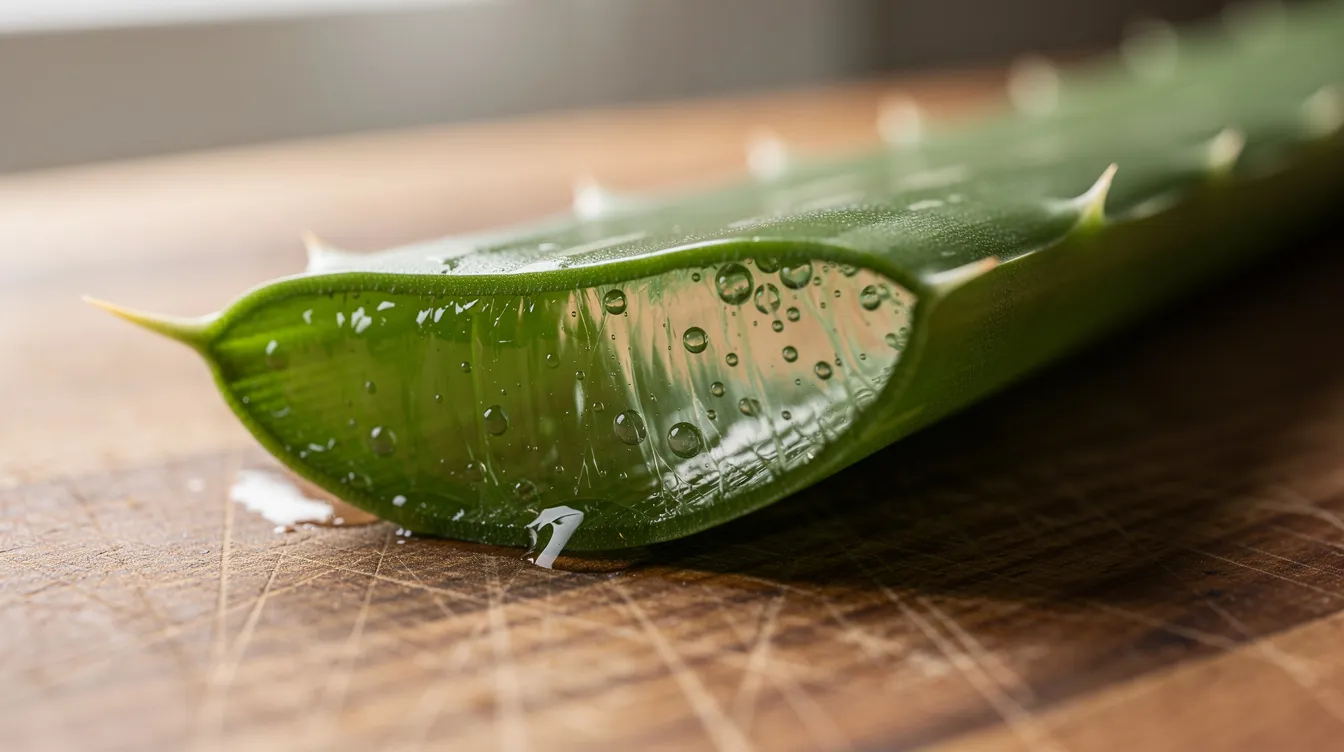
The aloe vera leaf is almost 99% water, so the gel itself cannot be pressed into oil. Instead, the gel's valuable compounds-vitamins, antioxidants, soothing polysaccharides, and amino acids-are drawn into the oil during infusion. The finished product is derived from Aloe barbadensis leaves and is suitable for cosmetic applications across skin, hair, and body care.
Quality aloe vera oil may come from cold-pressed or maceration extraction methods, and it is typically extracted without chemicals. When produced responsibly, aloe vera oil is free from parabens and preservatives, contains no added preservatives or antioxidants, and carries a Natural Origin Index of 1. Many reputable versions are certified organic and pesticide-free, cruelty-free and vegan certified, and compliant with EU cosmetic regulations.
Common carrier oils used on the market include soybean oil, olive oil, coconut oil, and jojoba oil, and many people prefer working with 100% pure carrier oils for their DIY skincare. The focus of this article is on aloe vera infused in soybean oil-a combination that produces a pale yellow oil with a mild fragrance and a typical shelf life of about one to two years when stored in a cool, dark place.
Why Combine Aloe Vera With Soybean Oil?
Soybean oil is a lightweight, fast-absorbing carrier oil rich in linoleic acid (roughly 48–58%) and vitamin E. It pairs naturally with the soothing properties of aloe vera because it adds emolliency without the heavy, greasy feel of thicker oils. Here is why this combination works well:
-
Soybean oil helps carry aloe's beneficial nutrients deeper into the skin rather than sitting on the surface.
-
The blend improves spreadability, making it easier to use aloe vera in everyday personal care applications like lotion, serums, and body oils.
-
Aloe vera oil provides deep hydration without clogging pores, which matters for people with sensitive skin or combination skin types.
Because properly processed aloe vera oil does not cause irritation, this blend is often chosen for those who want moisturizing properties without worrying about harsh chemicals or synthetic ingredients. It is versatile enough for both hair and skin care formulations-scalp oils, body butters, hand care, and after-sun care-and works well in DIY blends with other carrier oils such as coconut oil or olive oil.
Benefits of Aloe Vera Oil for Skin
Aloe vera oil in soybean oil can be applied daily on the face and body to support moisture balance, barrier repair, and overall skin comfort, especially when you choose a high-quality aloe vera oil formulated for skin and hair. Here is what it brings to the table.
Hydration and dry skin relief
The combination leaves skin feeling soft and helps address rough patches on elbows, knees, and heels. You can apply aloe vera oil directly to dry skin after showering as a lightweight body oil, especially during cooler months. It is suitable for treating dry, flaky, or dehydrated skin without leaving a heavy residue. Aloe vera oil contains anti-inflammatory properties that help soothe dry skin and reduce irritation from everyday environmental exposure.
Calming redness and irritation
Aloe vera oil has anti-inflammatory properties and antioxidant activity that work together to calm irritated skin. You can use aloe vera oil to soothe insect bites and minor burns, and the emollient effect of soybean oil helps protect the area while it recovers. It contains powerful antioxidants like vitamin C and E, which help neutralize free radicals and reduce visible redness.
Supporting the skin barrier
Research shows that oils with higher linoleic-to-oleic acid ratios-like soybean oil-are more effective for barrier repair than oils dominated by oleic acid. Soybean oil's fatty acids help reinforce the skin's protective layer, while aloe vera's polysaccharides maintain a smooth, supple texture. Studies have found that topical soybean oil can measurably decrease transepidermal water loss within 30 minutes of application.
Mature or stressed skin
Aloe vera oil can help minimize the appearance of dark spots and can prevent deeper wrinkles from forming over time. It can also promote collagen production for wound healing, supporting skin cells as they renew. These antioxidant benefits make it a practical addition for anyone dealing with environmental stressors like UV exposure and pollution.
Versatile skin blends
Aloe vera oil can be mixed with olive oil for a thicker body treatment. Almond oil mixed with aloe vera helps reduce skin blemishes. Rosehip oil combined with aloe vera calms skin after sun exposure. Tea tree oil mixed with aloe vera treats acne effectively. You can also use aloe vera oil as a base for homemade skincare products or as a base for makeup application-just a few drops on the face before primer for a dewy, natural finish.
Use it as a booster: mix a few drops into unscented body lotion, hand cream, or a simple night oil blend for targeted dry areas.

Benefits of Aloe Vera Oil for Hair & Scalp
Aloe vera oil in soybean oil works well as a pre-shampoo treatment, scalp oil, or sealant on the lengths of the hair. This is especially true for textured or curly hair types that need consistent moisture without heavy buildup.
-
Scalp comfort. Gentle massage with aloe oil can help reduce feelings of tightness and dryness on the scalp and may help loosen dead skin cells and dry flakes when used regularly. Aloe vera oil can assist in hair growth and reduce dandruff by keeping the scalp environment balanced and hydrated. You can also mix aloe vera with argan oil to eliminate dry scalp.
-
Hair growth support. While aloe vera oil does not directly cause hair to grow faster, a well-moisturized, comfortable scalp creates a better environment for natural hair growth. Removing inflammation and dryness supports healthier growth cycles.
-
Conditioning and shine. Apply aloe vera oil to hair for moisture and shine. Soybean oil smooths the cuticle, adds a light sheen, and reduces the appearance of frizz, while aloe's film-forming components help hair feel softer and more manageable.
-
Protective styles. Apply a small amount of aloe vera oil along braids, twists, or locs and lightly on the ends to reduce dryness without heavy buildup. This is a practical home remedy for maintaining moisture between wash days.
-
Frequency. Use aloe vera oil one to three times per week as a scalp massage oil or overnight pre-wash treatment. Adjust based on your hair porosity and texture-fine hair may need less, high-porosity or thick hair may benefit from more.
How Aloe Vera Oil Compares to Aloe Vera Gel
Aloe vera gel is water-based, cooling, and quick-absorbing. Aloe vera oil is oil-based, richer, and provides longer-lasting moisture with a significantly longer shelf life. Understanding the difference helps you pick the right product for the right situation.
|
Feature |
Aloe Vera Gel |
Aloe Vera Oil (in Soybean Oil) |
|---|---|---|
|
Base |
Water |
Oil |
|
Absorption |
Very fast |
Moderate |
|
Best for |
Sunburn relief, oily skin, quick hydration |
Dry skin, emollient care, hair sealing |
|
Shelf life (opened) |
Weeks to months (needs preservatives) |
6–12 months |
|
Feel |
Light, non-oily |
Silky, slightly richer |
Aloe vera gel is ideal for quick relief after sun exposure, shaving, or for oily skin. Aloe vera oil suits dry or mature skin that needs more sustained support. The aloe gel is more fragile and prone to bacterial growth without preservatives, whereas aloe infused in soybean oil is more stable and can often last 12 to 24 months when stored properly.
They can work together. Layer aloe vera gel first for immediate cooling hydration, then seal with a thin layer of aloe vera oil or a blend with another carrier oil for enhanced moisture retention.
Popular Carrier Oils to Blend With Aloe Vera Oil
Aloe vera in soybean oil can be used alone or mixed with other oils to customize texture and benefits, including neutral options like lightweight mineral carrier oils for skin and hair. Here are some common combinations:
-
Coconut oil. Adding a small amount of a 100% pure natural coconut carrier oil creates a richer blend that works well for very dry skin and the ends of thick hair, especially in colder seasons. It is more occlusive, so use sparingly on the face.
-
Olive oil. Mixing aloe-soybean oil with olive oil gives a deeply nourishing oil suited for dry hands, feet, and overnight hair masks. However, olive oil is high in oleic acid, and research suggests it can disrupt the skin barrier with repeated use on delicate or sensitive skin.
-
Lighter carrier oils. Jojoba oil and grapeseed carrier oil for fast-absorbing moisture are excellent choices for readers who want a quick-absorbing finish on the face or for daytime use. A 100% pure sweet almond carrier oil is another option that pairs well with aloe vera for body care.
Mix aloe vera oil with other oils for enhanced benefits. Keep ratios simple-start with a 1:1 aloe-soybean oil to another carrier oil-and patch test blends before applying widely.
How to Make Homemade Aloe Vera Oil
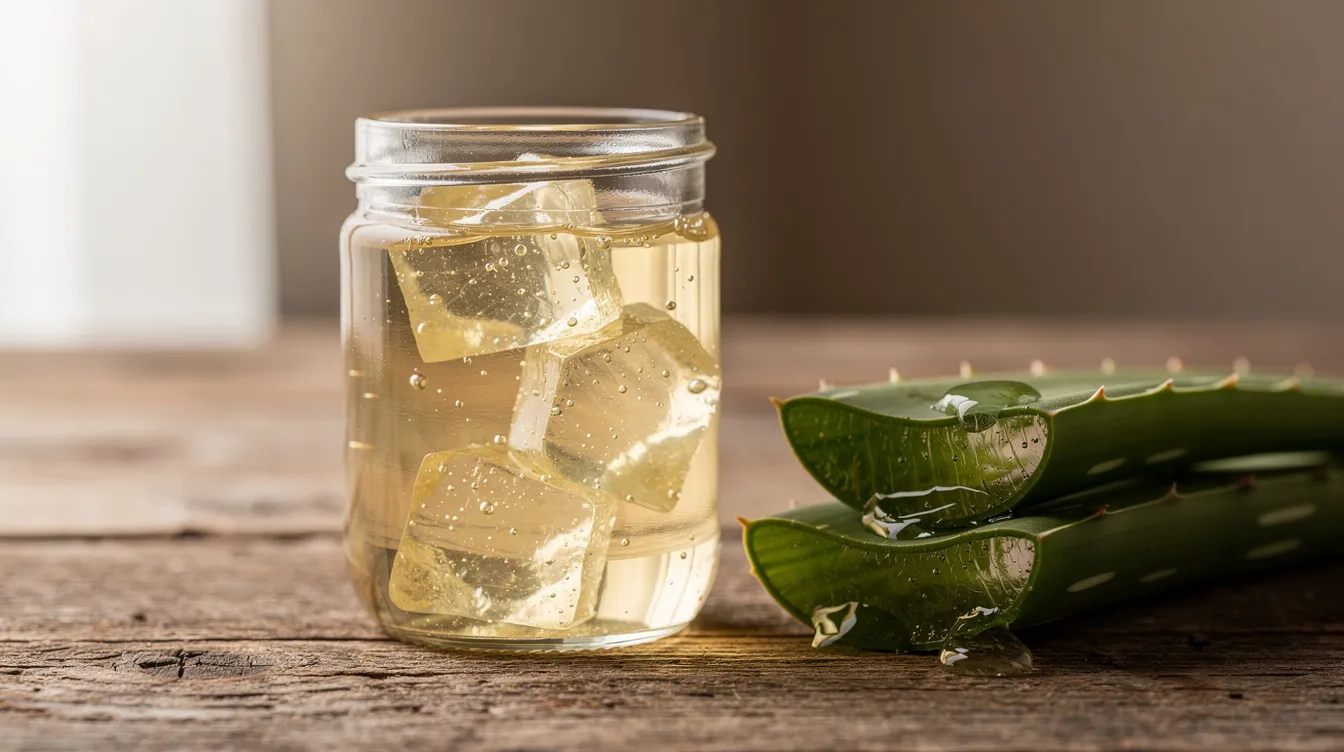
You can create a simple homemade aloe vera oil infusion at home with basic kitchen tools and minimal ingredients, or start with a ready-made sunflower carrier oil as a base for infusions. This is a natural remedy that gives you full control over what goes into the finished product.
Ingredients and tools:
-
Fresh aloe vera leaves (1–2 medium leaves) and, if desired, a rice bran carrier oil to support skin and hair health
-
Refined or unrefined carrier oil, about 4 fl oz
-
A clean glass jar with a tight lid
-
A fine strainer or cheesecloth
-
A dark glass storage bottle, or prefilled options like a sweet almond carrier oil in an amber bottle
Cold infusion method:
-
Carefully fillet the aloe leaves, scoop out the clear gel, and discard the outer rind and yellow latex layer. The latex contains compounds that can cause irritation.
-
Chop or gently blend the aloe gel.
-
Combine with carrier oil in the jar at about a 1:2 or 1:3 aloe-to-oil ratio.
-
Seal the jar and store in a cool, dark place. Shake gently once daily. Allow to infuse for 24 hours up to one week.
Warm infusion option:
Place the sealed jar in a warm water bath (about 40–50°C) for short intervals over one to two hours. This speeds infusion without boiling the oil or degrading the aloe's active compounds.
Finishing the oil:
After infusion, strain thoroughly through cheesecloth to remove all plant pieces. Transfer the clear vera oil to a clean, dark bottle. Label with the preparation date.
Safety notes: Use clean tools throughout. Store away from heat and sunlight. Discard the batch if the scent, color, or texture changes noticeably. Homemade batches are best used within about three months.
How to Use Aloe Vera Oil in Your Daily Routine
Aloe vera oil in soybean oil can be used head-to-toe in personal care, either alone or mixed into existing skincare products. Here are practical ways to work it in.
Facial care:
-
Use two to three drops as the final step at night over a water-based serum.
-
Blend a few drops into a fragrance-free moisturizer for dry or mature skin.
-
Use it as a lightweight base before makeup for a dewy, healthy finish.
Body care: Incorporating clarifying options like a witch hazel-based carrier oil can add an extra soothing step for easily congested or reactive areas.
-
Apply to slightly damp skin after a shower, focusing on shins, elbows, and feet.
-
Use as a cuticle oil or after-shave oil on legs and underarms.
-
Works well as a natural after-sun body oil when the skin needs soothing and healing.
Hair care:
-
Pre-shampoo treatment: massage into scalp and lengths, leave on for 20–30 minutes, then wash.
-
Finishing oil: a drop or two on the palms, then smooth over mid-lengths and ends for shine without weight.
DIY blends:
-
Combine aloe vera oil with a few drops of skin-safe essential oils like lavender for a calming massage oil.
-
Use aloe vera oil as a base for body butters or bath oils, blending with herbs and other ingredients as desired.
Start with small amounts. A little goes a long way-especially on fine hair or combination skin. Adjust frequency based on how your skin and hair respond over the first two weeks.
Choosing, Storing & Understanding Aloe Vera Oil Labels
Aloe vera oil is often labeled as "aloe vera oil," "aloe oil," or "aloe vera extract in soybean oil." Knowing how to read labels helps you find a great price and a quality product without guesswork.
What to look for on the ingredient list:
-
The aloe component should appear as "Aloe Barbadensis Leaf Extract" or "Aloe Barbadensis Leaf."
-
The carrier should be listed as "Glycine Soja (Soybean) Oil."
-
High-quality aloe vera oil should have simple ingredients and minimal additives. Avoid products with long lists of other ingredients or synthetic chemicals.
Sizes and pricing:
Common sizes include 2 fl oz, 4 fl oz, and 8 fl oz bottles. Larger volumes often offer a better regular price per fl oz for frequent users or those making DIY cosmetics. Some suppliers also offer wholesale pricing for those buying in bulk.
Storage tips:
-
Keep lids tightly closed.
-
Store bottles in a cool, dark cupboard-not in hot bathrooms or direct sunlight.
-
Once opened, aim to use the oil within 6–12 months for the best feel and aroma, even if the overall shelf life can reach up to two years from production.
When shopping, look for products that are certified organic, cruelty-free, and transparently labeled. A clean ingredient list is the fastest way to judge whether a product delivers what it promises.
Featured Product: Aloe Vera Oil for Skin & Hair

If you prefer a ready-to-use option instead of making your own, a well-formulated aloe vera oil can help simplify your routine while delivering consistent results.
The Well’s Aloe Vera Oil by IWELL US is designed for both skin and hair care. This lightweight oil helps support hydration, leaving skin feeling soft and looking refreshed, while also helping improve manageability and smoothness in hair.
- Lightweight, non-greasy hydration for skin
- Helps soothe the feel of dryness and irritation
- Supports softer, smoother, more manageable hair
- Suitable for daily use on skin, scalp, and hair
- Made with 100% natural ingredients
It can be used on its own or mixed into your existing routine—such as with moisturizers, shampoos, or conditioners—depending on your preference.

FAQs
Can I use aloe vera oil on my face every day?
Many people with normal to dry skin use aloe vera oil in soybean oil daily, typically at night as the last step in their routine. Those with combination or oily skin may prefer using it a few times per week or only on targeted dry areas. Apply a very small amount and patch test on the side of the face or jawline for several days to check for any sensitivity before using it all over. If you are prone to breakouts or have skin conditions like acne, avoid heavy layering with other rich products and observe how your skin cells respond over one to two weeks. This wonder plant extract is generally gentle, but everyone's skin is different.
Is aloe vera oil safe for the scalp if I have dandruff or a sensitive scalp?
Aloe vera oil is often well tolerated on the scalp and can help with dryness and tightness, but it is not a medical treatment for dandruff or any painful condition requiring professional care. Test a small amount on a patch of scalp first and rinse after 20 to 30 minutes the first few times, rather than leaving it on overnight. This lets you see how your scalp reacts without overdoing it. If you have persistent or severe scalp issues, consult a dermatologist or trichologist for diagnosis and treat the underlying cause. Aloe vera oil works best as a supportive, moisturizing step in your routine-not a replacement for medical advice. Its soothing properties and antibacterial properties can help maintain a comfortable scalp environment that supports your immune system and overall scalp health.
What is the difference between aloe vera oil in soybean oil and aloe vera oil in coconut or olive oil?
Soybean oil is generally lighter and absorbs faster than coconut or olive oil, making aloe-soybean blends feel less greasy and more suitable for frequent use on both skin and hair. Coconut oil-based aloe blends tend to be richer and more occlusive-better for very dry areas and thick hair. Olive oil-based blends are deeply nourishing but can feel heavy on fine hair or oily skin. Choose the base oil based on your skin type, climate, and texture preferences. You can explore various carrier oils to find the right combination for your needs.
How long does homemade aloe vera oil last?
Well-strained homemade aloe vera oil stored in a clean, tightly sealed bottle in a cool, dark place is best used within about three months. Any visible cloudiness, separation, off smells, or changes in color are signs to discard the batch and make a new one. Make small batches-two to four fl oz at a time-so the oil is used up within this period. This minimizes waste and keeps the product fresh. Adding a small amount of vitamin E oil can help extend freshness slightly by slowing oxidation.
Can I mix aloe vera oil with store-bought lotions and shampoos?
Yes. Aloe vera oil can be mixed into many unscented or lightly scented lotion and hair products. Start with a small amount-three to five drops per application in the palm of your hand. Avoid adding large quantities directly into entire bottles of lotion or shampoo, as this can change the product's texture, stability, and how well it rinses out. Blend in the palm before each use so you can easily adjust the amount based on season, skin condition, or hairstyle. This approach keeps your routine flexible and ensures you get the right balance of moisture, vitamins, and nutrients every time. It is a simple way to treat your skin and hair to the healing benefits of this plant without overhauling your entire routine. Concerns about birth defects, reproductive harm, or other reproductive harm related to cosmetic ingredients are worth researching separately-always check product safety data and consult a health professional if you have specific concerns.


