


Use of Almond Hair Oil: A Complete Guide for Healthy Hair
Key Takeaways
-
Almond oil is a lightweight oil rich in vitamin e and essential fatty acids that helps support healthy hair, softer strands, and a calmer scalp without heavy buildup.
-
Regular use of almond oil can reduce breakage, soothe an itchy scalp, and enhance shine when applied correctly for your specific hair type.
-
You can use almond oil as a pre-wash treatment, hot oil treatment, leave in conditioner on the ends, or mixed with other oils depending on whether your hair is dry, normal, or oily.
-
Anyone with a nut allergy should avoid almond oil entirely and all users should perform a patch test before applying it broadly to the scalp or hair.
-
Overuse, especially on thin hair or oily hair, can weigh strands down, so frequency and amount should always be adjusted to individual hair needs.
Introduction: Why People Use Almond Oil for Hair
Almond hair oil is used to support healthier hair through topical application: it softens strands, soothes a dry scalp, helps reduce breakage, and adds shine. Almond oil has been a trusted haircare ingredient for centuries across the Middle East, the Mediterranean, and South Asia, where traditions in chinese and ayurvedic medicine have long valued it for deep nourishment of both the hair and scalp. Today, it remains one of the most accessible natural oils for people who want a natural way to improve hair texture, scalp comfort, and overall hair health without relying on synthetic ingredients.
Almond oil is good for hair because its vitamins A, E, and essential fatty acids help moisturize, nourish, and protect both the hair and scalp while supporting common goals like less breakage, smoother texture, and natural shine. Whether you have straight, wavy, curly, or coily hair, this guide explains the benefits of almond oil for different hair types, step-by-step application methods, comparisons with other oils, practical safety tips including nut-allergy concerns, and how to use it well as part of a healthy hair care routine. The focus is on topical cosmetic use for hair care, not dietary use or medical treatment of scalp conditions.
What Is Almond Hair Oil?
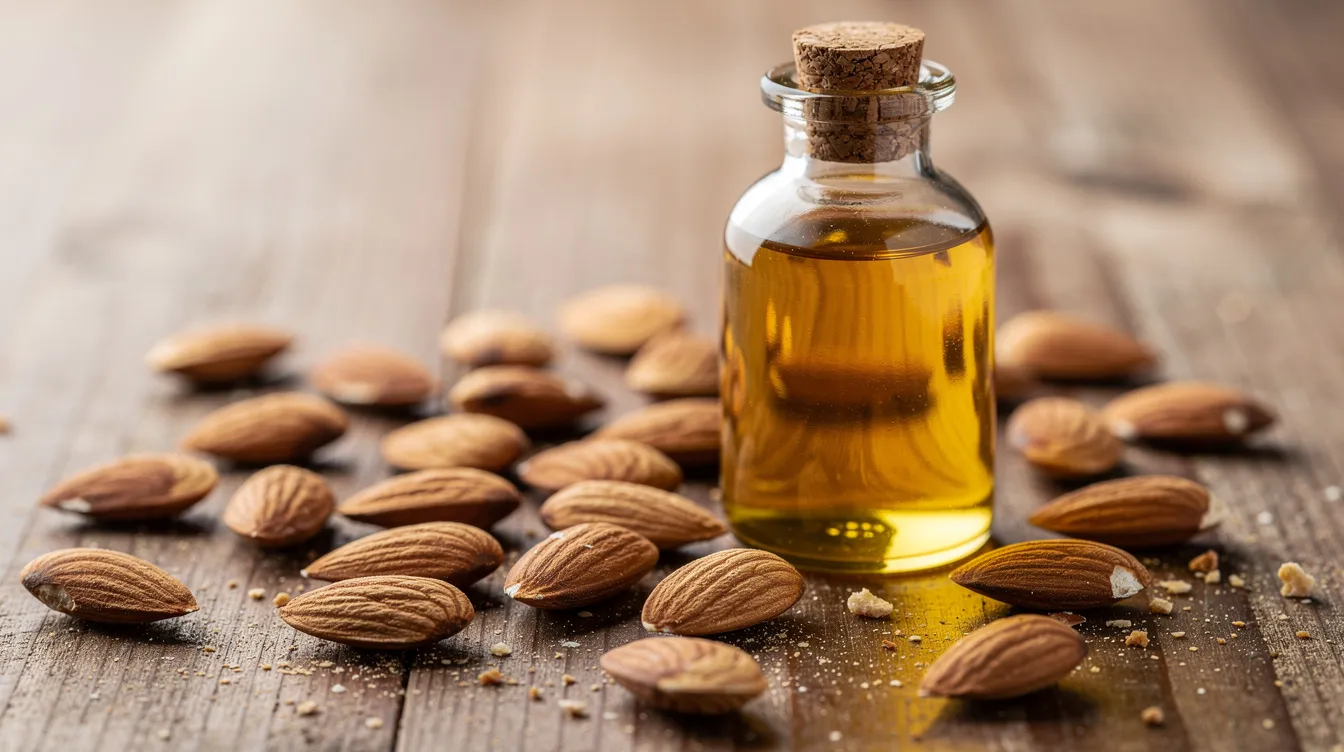
Sweet almond oil is a pale golden, lightweight oil extracted from the ripe kernels of the almond tree (Prunus dulcis) by cold pressed methods or refining. It feels silky on the fingers and absorbs relatively quickly compared to heavier options.
There is an important distinction: sweet almond oil is the type suitable for hair and skin health, while bitter almond oil contains compounds like hydrocyanic acid and is not typically used for topical hair care. This article discusses sweet almond oil only.
Its main components include oleic acid (omega-9, roughly 62–76% of the oil), linoleic acid (omega-6, about 14–30%), and tocopherols-primarily α-tocopherol, a potent form of vitamin E-at approximately 47–80 mg per 100 g of oil. Small amounts of vitamins A and D, plus minerals like magnesium and potassium, round out the profile. Almond oil contains high amounts of vitamin E, which acts as an antioxidant protecting hair and scalp from oxidative stress. For the best results, sweet almond oil should be 100% pure and cold-pressed, as unrefined versions retain more nutrients and a mild nutty scent. Refined versions are more neutral and may suit people sensitive to fragrance.
Benefits of Almond Oil for Healthy Hair
The benefits of almond oil depend on regular use and correct application for your hair type, but this pure oil is generally valued for conditioning and protection. Key advantages include:
-
Softening coarse or frizzy hair
-
Helping reduce breakage and split ends
-
Soothing a dry scalp or flaky scalp
-
Adding shine and smoothness
-
Shielding hair from damaging UV rays and pollution
While almond oil promotes a healthier scalp environment for better length retention and can indirectly reduce hair loss from breakage, evidence for directly speeding up hair growth is limited. Results vary by person, existing scalp conditions, and the rest of the routine including heat styling and chemical treatments.
Softens Hair and Boosts Shine
Almond oil acts as an emollient, filling microscopic gaps along the hair cuticle so strands feel smoother and easier to detangle. A thin layer reflects light evenly, giving hair a natural shine without the heavy, greasy feel some thicker hair products cause. Regular use of almond oil enhances moisture and smooths frizz, and it adds shine and reduces flyaways in hair. Almond oil softens hair texture over time, which is especially noticeable on dry hair, frizzy hair, or chemically treated strands. Try smoothing a few drops on mid-lengths and ends after air-drying to enhance shine and control frizz.
Helps Reduce Breakage and Split Ends
The lubricating and emollient properties of sweet almond oil decrease friction between strands during combing, brushing, and styling. Fatty acids such as oleic and linoleic acid improve flexibility and resilience, helping the hair shaft bend instead of snap under tension from tight hairstyles or daily wear. Almond oil strengthens hair and improves hair resilience, which means less breakage over time. A practical tip: applying almond oil as a pre-wash treatment once or twice a week can protect strands from shampoo friction and water swelling.
Soothes Dry, Flaky, or Itchy Scalp
Almond oil can help treat dry scalp conditions by sealing in moisture and softening flaky patches. It has anti-inflammatory properties that relieve irritation and dandruff, and it can help control dandruff by hydrating the scalp. To use it, gently massage a teaspoon of warm almond oil onto the scalp 20–30 minutes before washing to ease itchiness from seasonal dryness or mild irritation.
If you experience persistent or severe scalp issues-intense itching, bleeding, or sudden hair loss-consult a dermatologist instead of self-treating solely with oil.
Supports a Healthy Hair Growth Environment
Almond oil does not magically speed up the rate at which hair grows from each hair follicle, but it promotes a healthier scalp environment for better length retention. Almond oil improves scalp circulation and health when massaged in, delivering oxygen and nutrients that support normal hair cycling. Regular use of almond oil promotes healthier hair growth by reducing the breakage and dryness that make hair appear thinner. Expect gradual results: a calmer scalp and less snapping can make hair appear fuller over several months of consistent use, supporting healthy hair growth.
How to Use Almond Oil for Hair Care
You can use almond oil as a pre-shampoo scalp treatment or as a leave-in serum, and choosing the right method depends on your hair type and lifestyle. Below are four practical approaches with approximate amounts, contact times, and rinse instructions.
Pre-Wash Treatment to Protect and Nourish
Apply a small amount of pure almond oil to dry or slightly damp hair from mid-lengths to ends. Leave on for 20–45 minutes, then shampoo and condition as usual. This reduces moisture loss during washing and is ideal for dry, colored, or frequently heat-styled hair. For extra conditioning, try mixing almond oil with a richer plant oil like castor or avocado, or add it to a DIY hair mask with yogurt or aloe gel, similar to how many people use 100% pure carrier oils in their broader hair and skincare routines. You can also leave almond oil in hair overnight for deep conditioning on very damaged hair.
Hot Oil Treatment for Deep Conditioning
Warm almond oil for a hot oil treatment by placing a small glass bottle in warm water until it is pleasantly warm-test on your inner wrist first. Section hair, massage warm oil into scalp and along lengths, cover with a shower cap or towel, and leave on for 20–40 minutes. Wash out with a gentle shampoo. This approach works well for very dry, brittle, or damaged hair, or after exposure to sun or chlorinated pools, especially if you want to pair almond oil with a scalp healing hair oil to support comfort and growth. Limit to once a week to avoid buildup. You can also mix almond oil with coconut oil for a richer conditioning treatment.

Leave-In Oil for Ends and Frizz Control
For daily finishing, use 2–4 drops rubbed between palms and smoothed over damp hair or dry mid-lengths and ends to tame flyaways and smooth flyaways. Apply almond oil directly to hair ends for shine. Use almond oil as a leave in conditioner on damp hair for the best absorption. This method suits normal to dry hair or thick, wavy, or curly textures and can complement targeted hair growth treatments and oils used elsewhere in your routine. Those with very fine or oily hair should use less and avoid the roots. Avoid applying almond oil directly before heat styling tools-use it after hair has cooled or as a pre-wash product instead. This lightweight texture won't feel heavy when used sparingly.
Scalp Massage to Calm Itch and Dryness
Part the hair, apply a few drops of almond oil directly to the scalp, and use fingertips to gently massage in small circular motions for 5–10 minutes. For an oily scalp, leave almond oil on for 20–30 minutes before washing. For a very dry scalp, you can leave it on overnight under a cap. Optional: blend a few drops of lavender essential oil with almond oil, but always dilute carefully and patch-test first.
Matching Almond Oil Use to Your Hair Type
How you use almond oil should change based on your hair's thickness, curl pattern, and oil production. Almond oil is suitable for all hair types, but frequency, method, and amount need adjusting. Using too much on the wrong type causes limp, greasy results, while the right approach makes this lightweight oil feel weightless and effective.
Dry, Damaged, or Chemically Treated Hair
Almond oil is best for dry, damaged, or frizzy hair. This type tolerates richer applications like weekly hot oil treatments or overnight pre-wash soaks. Focus on porous mid-lengths and ends-the zones with the most breakage and split ends. Leave a light coating on ends between washes and combine with low-heat styling, protective hairstyles, and gentle shampoos.
Normal or Combination Hair
Normal hair benefits from moderate use: a pre-wash treatment once a week and a drop or two as a finishing touch on dry areas. Keep almond oil mostly off the roots unless the scalp is specifically dry. Experiment with small amounts over several wash cycles and adjust accordingly.
Fine or Oily Hair and Oily Scalp
Fine hair may feel weighed down by almond oil, so use conservatively on oily hair types. Try "short-contact" methods: apply for 15–30 minutes before shampoo, then wash out fully. Apply only from mid-lengths to ends and avoid the scalp if there is excess oil or acne prone skin at the hairline. Start with a drop or two, once a week.
Almond Oil vs. Other Oils in Hair Care
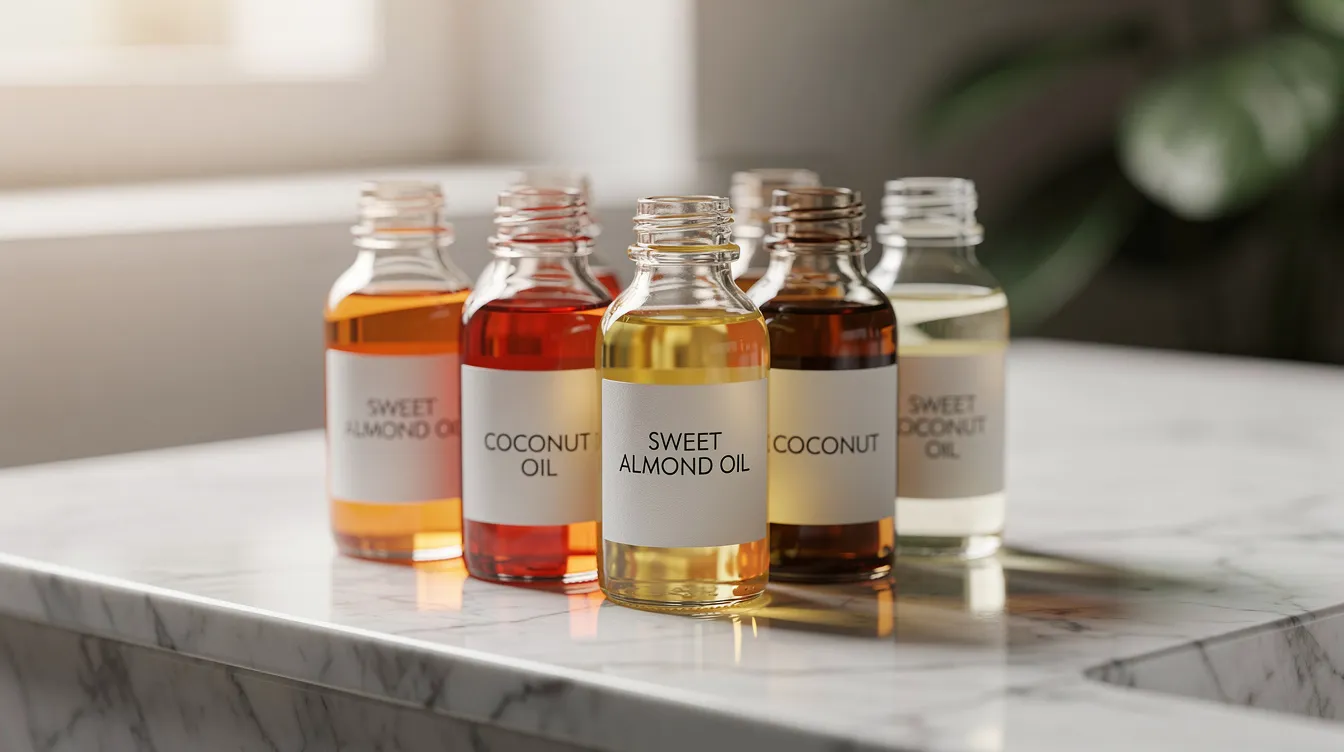
Almond oil is often compared to coconut oil, olive oil, argan oil, and other natural carrier and treatment oils. The best choice depends on individual hair types and preferences. Almond oil is generally lighter, making it a strong option for fine to medium hair, while it can be layered with other oils for customized treatments. You do not need many different oils at once-start with almond oil alone and observe results.
Texture and Weight Compared to Other Oils
Almond oil is lightweight compared to coconut oil, which is more occlusive and may feel waxy on fine or oily hair. Olive oil is richer and greasier, sometimes requiring extra washes. Almond oil tends to feel more "barely there" when used sparingly, offering a pleasant lightweight texture. Very coarse hair might still benefit from blending almond oil with richer oils for both the hair and scalp, alongside hydrating cleansers like rice-based shampoos and conditioners to maintain moisture balance.
When to Choose Almond Oil in Your Routine
Almond oil is a good first choice to reduce breakage, add shine, and calm mild scalp dryness without weighing hair down. It works well as an everyday pre-wash shield, a quick frizz touch-up to control frizz, and for gentle scalp massages-especially for those who dislike greasy residue. Use it consistently for several weeks before judging results, and adjust the balance with other oils only if hair still feels too dry or too coated. Almond oil hair products and pure oil both work, but pure oil gives you full control over quantity. You can find pure almond oil at any health food store.
Safety, Allergies, and Best Practices
Even natural oils can cause reactions, especially for people with nut allergies or sensitive skin. This section covers patch testing, allergy concerns, frequency, and storage.
Who Should Avoid or Be Cautious with Almond Oil
Anyone with a known nut allergy should avoid applying almond oil to hair, scalp, or skin due to the risk of an allergic reaction. Even those without known allergies should perform a patch test on the inner arm or behind the ear and wait 24 hours before applying almond oil more broadly. Discontinue use and seek medical advice if you develop redness, swelling, intense itching, hives, or breathing difficulties.
How Often to Use Almond Oil and How Much
For most people, applying almond oil 1–2 times per week as a treatment and using a few drops for finishing on non-wash days is sufficient, especially when using a high-quality 100% pure sweet almond carrier oil. Almond oil is generally safe for regular topical use. Overuse without thorough cleansing can lead to buildup, limp roots, and dullness. Start with a teaspoon or less per treatment and increase only if hair absorbs the oil without appearing greasy. Applying almond oil in the right quantity for your hair type is key to overall hair health.
Storage and Shelf Life
Store almond oil in a cool, dark place away from direct sunlight. Once opened, it is generally best used within 6–12 months. A change in smell, color, or texture signals the oil has gone off. Keep the bottle tightly closed and avoid touching the opening with wet hands.
FAQs
These questions address common concerns about the use of almond hair oil not fully covered above.
Can I leave almond oil in my hair overnight?
Yes. Leaving almond oil in your hair overnight as a pre-wash treatment provides deep nourishment, especially for dry or damaged hair. Use a moderate amount, cover your pillow with a towel or wear a cap, and wash thoroughly in the morning. Avoid this method if you have very fine or oily hair, as it may feel too heavy.
Is almond oil safe to use on color-treated or chemically straightened hair?
Almond oil is generally safe on color-treated or chemically processed hair and can help reduce dryness caused by these services. Focus on mid-lengths and ends, using it as a pre-wash shield or weekly treatment, while following the aftercare instructions from your stylist. Almond oil is good for reducing frizz and maintaining color-treated hair between salon visits.
Can I mix almond oil with my usual conditioner or hair mask?
Mixing almond oil with a rinse-out conditioner or hair mask can boost slip and deep nourishment, particularly for dry or curly hair. Mix only what you need for a single use rather than altering the entire bottle, to avoid making the product too heavy. This is one easy way to introduce almond oil into your existing hair care routine.
Will almond oil worsen oily hair or an oily scalp?
Almond oil does not permanently increase sebum production, but it can make hair look greasy if applied heavily to oily roots or not washed out properly. Use short-contact treatments before shampoo, avoid applying directly on an already oily scalp, and focus on ends with light amounts. It remains a useful hair oil even for oily types when used carefully.
Can almond oil help with seasonal hair shedding?
Mild seasonal shedding is normal and not fully preventable with oils. However, almond oil can minimize breakage and dryness that might make shedding appear worse, supporting skin health at the scalp level. If you experience sudden, severe, or patchy hair loss, consult a healthcare professional rather than relying solely on topical oils. Regular use supports healthy hair but is not a substitute for medical evaluation.aw


