


Aloe Vera Oil vs Aloe Vera Gel: Which One Should You Use?
Key Takeaways
-
Aloe vera gel is water-based, absorbs quickly, and is best for quick soothing of sunburned skin, irritation, oily skin, and scalp care.
-
Aloe vera oil is an oil-based infusion made with a carrier oil like coconut oil or olive oil. It absorbs more slowly and excels at sealing in moisture for dry skin, hair ends, and protective styles.
-
Aloe vera oil vs aloe vera gel is not about which is universally better. It is about which one matches your specific skin type, hair texture, or concern.
-
Both can be layered together - aloe gel first, then oil second - for deeper hydration and longer-lasting protection on skin and hair.
-
Aloe vera contains over 75 active ingredients beneficial for skin, and both forms deliver those nutrients in different ways depending on their base.
Introduction: Aloe Vera Oil vs Aloe Vera Gel
Aloe vera is one of the most widely used natural ingredients in clean beauty, hair care, and skin care. The plant has antibacterial and anti inflammatory effects that make it a staple home remedy across cultures. But when you reach for an aloe product, the choice between aloe vera oil and aloe vera gel can feel confusing.
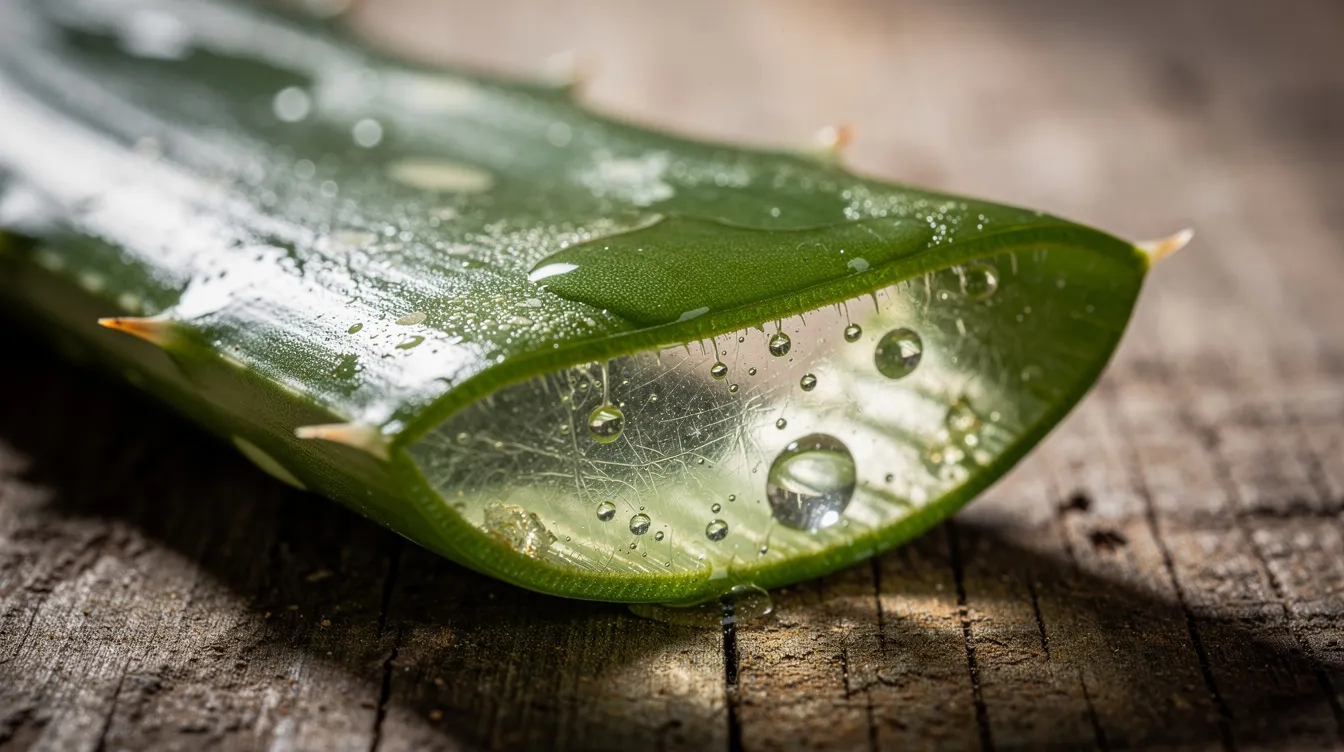
Aloe vera gel is extracted from the inner leaf pulp of the fresh aloe vera plant. It is mostly water, feels lightweight, and is primarily used for topical applications. Aloe vera oil, on the other hand, is made by infusing aloe extract into a carrier oil through a process called maceration. Both come from the same plant but behave very differently on skin and hair, and understanding aloe vera oil benefits and uses can help you decide when to reach for it.
This article compares aloe vera gel vs oil for skin and hair, shows when to choose each, and explains how to use them together for best results.
Key Differences Between Aloe Vera Oil and Aloe Vera Gel
Understanding texture and composition is the fastest way to decide between aloe vera oil and gel.
-
Oil vs water-based: Aloe vera gel contains about 99% water and 1% active compounds, including polysaccharides, amino acids, vitamins, and minerals. It feels light and non-greasy. Aloe vera oil is aloe infused into a carrier oil such as coconut oil, olive oil, or sunflower oil, making it richer and more occlusive. Cold pressing is used to extract aloe vera gel from leaves, while aloe vera oil is obtained through maceration in carrier oil.
-
Absorption speed: Pure aloe vera gel absorbs quickly and is non-comedogenic, leaving little residue - ideal for daytime and hot climates. Aloe vera oil penetrates deeper and locks in moisture, but absorbs more slowly, leaving a light to medium sheen depending on the oil base.
-
Texture and feel: Aloe vera gel provides cooling and lightweight hydration with a jelly-like texture that evaporates and soaks in fast. Aloe vera oil feels silky or slightly rich, ideal for massage, sealing moisture, and protective styling.
-
Shelf life: Aloe vera oil has a longer shelf life than gel because oil-based formulas have lower water activity. Fresh aloe gel spoils within days without refrigeration, and even commercially stabilized versions need careful storage. A longer shelf life makes oil more practical for slower-use routines.
-
Added ingredients: Aloe vera oil often includes other ingredients and essential oils like tea tree oil or lavender for added benefits. Aloe gel formulas may blend aloe vera with humectants and calming plant extract compounds for targeted effects.
Aloe Vera Oil vs Gel for Skin
Your skin type and current concern should guide whether you reach for aloe vera oil or gel.
Aloe vera gel for skin:
-
Aloe vera gel is ideal for acne prone skin or oily skin that needs fast, non-greasy hydration. It contains polysaccharides and glycoproteins that reduce inflammation caused by irritation, razor burn, or sun exposure.
-
Pure aloe vera gel gives a cooling, soothing feel suitable for face, neck, and body during the day. It promotes skin healing and regeneration without clogging pores.
-
It works as a lightweight hydrating layer under skincare products, especially in warm or humid weather. If you also struggle with shine, rose water pairs well as a toner for oily skin.
Aloe vera oil for skin:
-
Aloe vera oil offers deep moisturizing lock-in for dry patches and works best for dry, rough, or mature skin that needs extra nourishment. It is ideal for extremely dry skin.
-
The carrier oil helps seal in water-based hydration from previous steps, making it perfect as the final step in a nighttime routine. A clinical study on ICU patients found that an aloe-olive oil combination outperformed aloe gel alone for skin barrier protection.
-
Use it on elbows, knees, hands, feet, and as a body oil after showering when skin is still damp.
When to choose aloe vera gel vs oil for skin:
If your skin is shiny by midday, choose aloe gel. If your skin feels tight and flaky even after a good moisturizer, layer with or switch to aloe oil. Those with sensitive skin or everyone's skin that reacts easily should patch test first. Topical aloe vera can irritate sensitive skin in some cases. Combining aloe vera with natural ingredients like tea tree oil or chamomile can target specific concerns like blemish-prone or redness-prone skin.
Aloe Vera Oil vs Gel for Hair
Hair porosity, curl pattern, and scalp condition all play a role in choosing aloe vera oil or gel for hair care.
Aloe vera gel for hair and scalp:
-
Aloe gel is excellent for soothing itchy skin on the scalp and offering lightweight hydration without weighing hair down. It reduces dry scalp condition and calms flaking.
-
Use it as a scalp treatment, a leave-in hydrator on curls, or mixed into DIY masks with other natural ingredients. For more on keeping hair hydrated, see this guide on hydration of hair.
-
Gel is especially helpful for people with fine hair, loose waves, or oily scalps who need moisture without extra oiliness.
Aloe vera oil for hair:
-
Aloe vera oil helps reduce dandruff and conditions hair. It is better for sealing moisture into the hair shaft, enhancing shine, and controlling frizz - especially for textured, curly, or coily hair.
-
Smooth it on hair ends, braids, twists, and protective styles to keep hair soft and reduce breakage. Aloe vera oil has anti-inflammatory properties that also soothe irritated areas along the hairline, especially when paired with a braiding gel formulated with balanced ingredients.
-
Benefits vary depending on the carrier oil. Coconut oil tends to be richer; lighter oils like grapeseed feel less heavy.
Choosing aloe vera oil or gel for hair growth goals:
Aloe vera oil is believed to assist in hair growth by keeping strands moisturized and reducing breakage. Aloe vera gel calms scalp issues that might contribute to shedding. Neither is a miracle solution, but both support healthier hair. You can also pair aloe with targeted natural hair growth treatments for a more comprehensive approach. For deep conditioning ideas, explore this natural DIY hair oil treatment guide.
Quick decision guide:
-
Daily scalp soothing and lightweight moisture → choose aloe vera gel
-
Sealing in moisture after a water-based leave-in → choose aloe vera oil
-
Wash day masks → combine aloe gel with oils for a balanced treatment

When to Use Aloe Vera Oil
Aloe vera oil shines in routines where long-lasting moisture and protection are the main goals. It offers longer-lasting nourishment and a protective barrier compared to gel.
-
Night routine for skin: Apply aloe vera oil as the last step at night, over a water-based serum or pure aloe vera gel, to lock in hydration. Focus on dry areas like cheeks, around the mouth, and neck. Sometimes called ghritkumari oil in traditional wellness contexts, this plant-based oil is a good moisturizer for overnight repair.
-
Dry or mature skin days: Use aloe vera oil on days when skin feels tight or wind-chapped. Mix a few drops into an existing moisturizer for added richness during cooler seasons, or choose a multi-purpose aloe vera oil for skin and hair.
-
Hair ends and protective styles: Smooth a small amount over hair ends, braids, twists, locs, or buns to reduce friction and moisture loss. This is especially useful for natural, curly, or coily hair that tends to be drier. For extra hold and frizz control, look for a high-quality braiding gel for protective styles. Check out tips on locking gel for twists for complementary styling ideas.
-
Body care and massage: Use as a body oil right after bathing while skin is slightly damp. Gently massage into dry legs, arms, and feet. Some people blend aloe vera oil with a drop of essential oils like lavender for targeted benefits. Choosing a pure aloe vera oil product and always diluting essential oils properly, plus patch testing, is important.
When to Use Aloe Vera Gel
Aloe vera gel is the go-to for fast relief, cooling, and non-greasy hydration. Aloe vera gel contains about 99% water, providing deep hydration instantly.
-
Sunburn and overexposed skin: Apply a generous layer of pure aloe vera gel to sunburned skin for calming relief. Aloe vera gel is effective for soothing sunburns and can help skin wounds and insect bites heal faster. Reapply as needed. Once initial heat has cooled, layer a light oil on top to prevent dryness and peeling.
-
Oily or combination facial skin: Aloe vera gel can serve as a light, water-based moisturizer for acne prone skin that dislikes heavy creams. Use after cleansing and toning, adding a small amount of non-comedogenic oil only if needed. The gel moisturizes without adding shine.
-
Post-shave and post-wax care: Use aloe vera gel immediately after shaving or waxing on face, underarms, legs, or bikini area to soothe redness and reduce razor burn. Alcohol-free, fragrance-free versions work best. For more on post-shave routines, see this guide on aftershave for men.
-
Quick hydration on the go: Aloe vera gel works as a fast-absorbing hand or body hydrator during hot days, leaving no slick residue. It can also be used on the scalp before styling to add a light layer of moisture before an oil-based product or a lightweight braid and loc styling gel. Its brilliant health benefits include calming inflammation caused by environmental stress.
Can You Use Aloe Vera Oil and Gel Together?
Aloe vera oil and gel can absolutely be used together and often perform best as a team.
-
Layering for skin (gel first, oil second): Cleanse → tone (optional) → aloe vera gel → aloe vera oil. The vera gel provides water-based hydration, while the oil seals it in and prevents transepidermal water loss.
-
Layering for hair and scalp: Apply aloe gel to clean, damp hair and scalp first to hydrate and soothe. Follow with a small amount of aloe vera oil or another carrier oil on mid-lengths and ends to lock in moisture and add slip, and finish styles with a gentle braiding gel suitable for sensitive scalps when needed.
-
Benefits of combining both: Longer-lasting moisture, reduced frizz, softer hair, and calmer skin. A little product goes a long way when layering - start small to avoid buildup.
-
Who should be cautious: Very oily or acne prone skin might prefer aloe gel alone on the face and reserve aloe oil for body or hair. Patch test any new combination, especially for sensitive skin types.
Common Mistakes to Avoid with Aloe Vera Oil and Gel
A few simple adjustments prevent most issues people experience with aloe vera oil or gel.
-
Using aloe vera oil on an already oily or congested scalp: Heavy use of oil on an oily scalp can trap sweat and buildup, potentially worsening itching or flakes. Keep aloe oil mostly on mid-lengths and ends if your scalp is naturally oily.
-
Relying only on aloe vera gel without sealing moisture: Aloe gel is mostly water. Without an oil or cream on top, moisture can evaporate quickly on very dry skin or hair. Follow gel with a light oil, especially in dry climates or during winter.
-
Using too much product at once: Over-applying aloe vera oil can leave a greasy feel and cause buildup on hair. Thick layers of aloe gel under makeup without drying time can cause pilling.
-
Not checking ingredient lists: Look for high aloe content (aloe barbadensis leaf juice near the top of the list) and minimal unnecessary additives in pure aloe vera gel. Remember that aloe vera oil is always aloe in a carrier oil, not a pure aloe extract or essential oil. The main ingredient and quality of the carrier oil matters - cold-pressed with minimal processing is ideal. About 25% of commercial aloe products have been found to contain detectable aloins, which can be irritating.
-
Skipping patch tests: Always patch test new aloe products on a small area of skin. This is especially important if you have a history of sensitivities to cosmetics, natural ingredients, or essential oils. Avoid aloe vera if allergic to garlic or onions, as cross-reactivity is possible. High quality products from trusted sources reduce risk, but testing is still wise.
Looking for Longer-Lasting Moisture?
If you find that aloe vera gel alone isn’t enough to keep your skin or hair hydrated throughout the day, adding a high-quality aloe vera oil can make a noticeable difference.
Unlike gel, which provides quick, water-based hydration, aloe vera oil helps seal in moisture and support softness over time—making it especially useful for dry skin, hair ends, and protective styles.
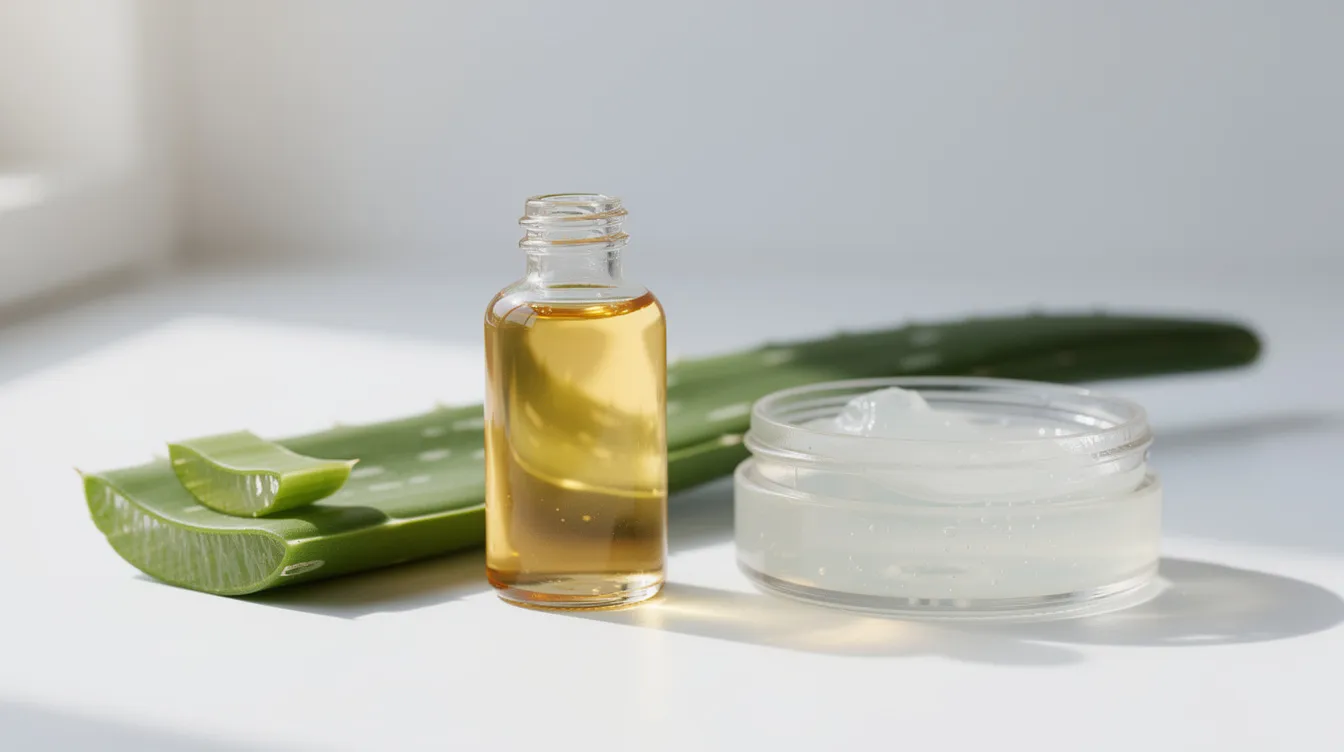
The Well’s Aloe Vera Oil by IWELL US is a lightweight, non-greasy option designed for both skin and hair. It works well as a final step after aloe gel to help lock in hydration without feeling heavy.
- Helps seal in moisture after aloe vera gel
- Lightweight, non-greasy feel
- Suitable for skin, scalp, and hair
- Ideal for dry areas, frizz control, and shine
You can use it on its own or layer it over aloe vera gel for a simple, effective routine.

FAQs
Is aloe vera oil better than aloe vera gel?
Neither is universally better. Aloe vera gel is usually better for oily or combination skin, sunburn, quick cooling, and scalp soothing. Aloe vera oil is usually better for dry or mature skin, hair ends, body care, and protective styles where long-lasting moisture is needed. Consider your climate, skin types, and hair texture before deciding. Both deliver the healing properties and antioxidants of the aloe plant in different formats.
Can I use aloe vera oil on my face every day?
Aloe vera oil can be used daily on the face if your skin is dry to normal and tolerates oils well. Use a small amount, preferably at night, layered over a water-based product. Those with oily, acne prone skin, or very sensitive skin may prefer limiting aloe oil to specific dry areas, or using it mainly for body and hair. Patch test first, especially if the blend includes essential oils. Note that aloe vera latex is unsafe during pregnancy, so pregnant individuals should confirm their product contains no latex compounds.
Can I use aloe vera gel every day?
Most people can safely use pure aloe vera gel daily on face, body, and scalp, as long as the formula is gentle and free from high levels of alcohol or strong fragrances. Daily use is common for oily or combination skin. If dryness or tightness occurs, pair it with a light oil or cream. Aloe vera works well in cruelty free, natural skincare products as a daily hydrate step.
Which is better for hair growth: aloe vera oil or gel?
Neither is a guaranteed hair growth treatment, but both support a healthier scalp and stronger hair. Pure aloe gel mainly calms the scalp, soothes itch, and supports a balanced environment. Aloe vera oil mainly helps with length retention by keeping hair ends moisturized and protected from breakage. Combine both in your routine - gel on scalp, oil on lengths - for holistic hair and scalp care. For deeper strategies, see this guide on hair treatment options. Aloe vera juice aids in digestive health and gut health when consumed, but topical application is what supports the scalp directly.
Can I mix aloe vera gel with other natural ingredients at home?
Many people mix pure aloe gel with carrier oils like coconut oil or jojoba, honey, or a small amount of essential oils to create DIY masks and treatments. Keep recipes simple, use clean tools, and make small batches to reduce risk of contamination and spoilage. Aloe gel has no natural preservative strong enough to keep mixed formulas fresh long-term. Essential oils must always be diluted properly in a carrier oil.
A few safety notes for anyone using aloe internally: aloe vera juice is made by grinding the whole aloe leaf and is suitable for internal health benefits, but aloe vera can cause gastrointestinal problems and digestive complaints if taken orally in excess. High doses of aloe latex can cause kidney damage. Aloe vera may lower blood sugar too much in diabetics, so consult a healthcare provider before internal use. Pure aloe vera juice should be used cautiously and in moderation. These concerns relate to oral use and do not apply to topical aloe vera gel or aloe vera oil used on skin, hair, and body. Aloe's role in supporting the immune system and addressing skin diseases and conditions like eczema, burns, and wounds is well-documented for external application.


