


Batana Oil
Batana oil has earned its reputation as a deeply nourishing hair treatment, valued for centuries by indigenous people in Central America. This rich, amber-colored oil comes from the nuts of the American palm tree and delivers essential fatty acids, antioxidants, and vitamin E directly to hair strands and scalp. This guide is intended for individuals seeking natural solutions for hair and scalp care, as well as those interested in traditional beauty practices. Understanding batana oil's unique properties and traditional uses can help you make informed choices for healthier hair and scalp.
Key Takeaways
-
Batana oil is a nutrient-dense oil extracted from the kernel of the American palm tree, traditionally utilized by the Miskito people of Honduras to nourish the hair and scalp
-
The oil is rich in fatty acids (oleic, linoleic, palmitic), antioxidants, and vitamin E, helping to strengthen damaged hair, add shine, and restore moisture to dry hair.
-
Some ex vivo lab studies suggest batana oil may boost hair growth rates and reduce breakage, though comprehensive human clinical trials remain limited.
-
It works well on all hair types but is especially effective for curly and coily textures that need deep hydration and moisture retention.
-
Safe use requires a patch test before regular use, starting with a small amount, and adjusting frequency based on your hair’s response to prevent buildup.
What Is Batana Oil?
Batana oil is extracted specifically from the kernel of Elaeis oleifera, commonly known as the American palm tree. Batana oil is derived from the nuts of the Elaeis Oleifera palm tree, also known as the American Oil Palm, which is native to the rainforests of Honduras and Central America. For generations, communities in Honduras and neighboring regions have relied on this oil to nourish hair and maintain scalp and hair health.
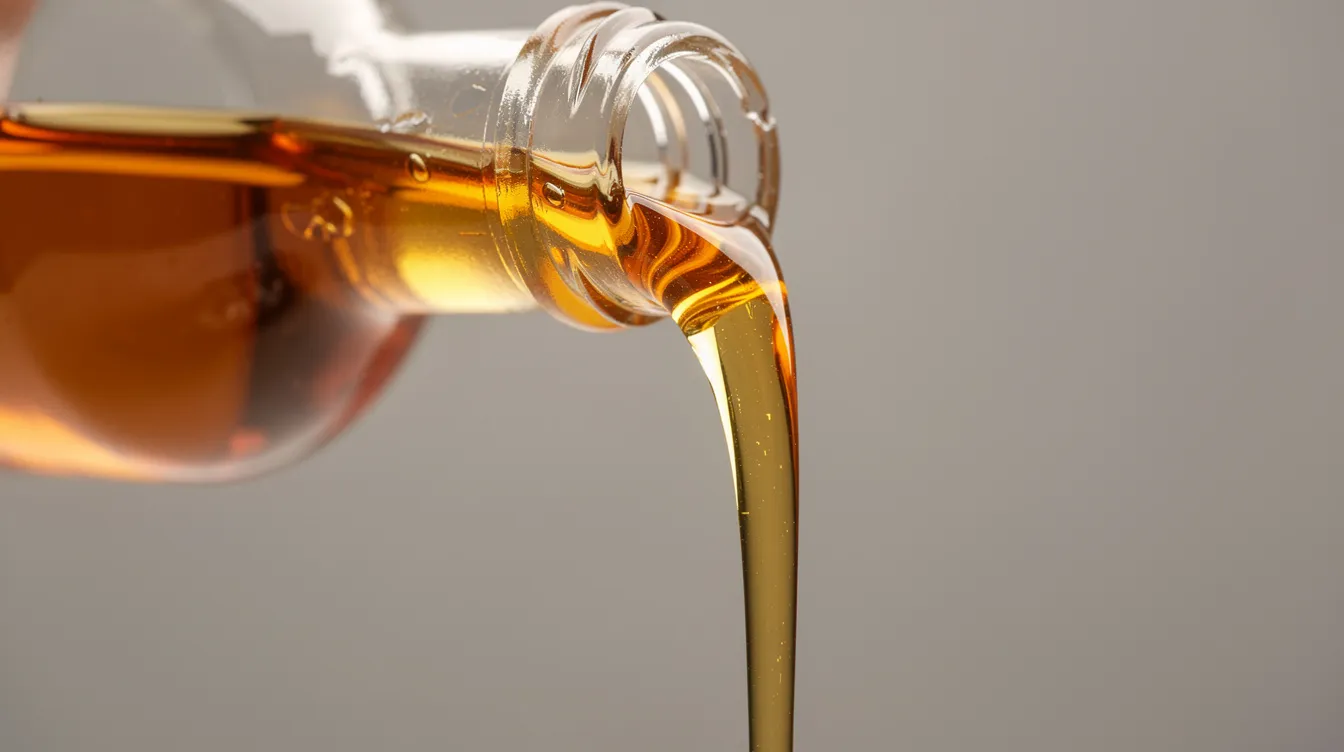
In its raw form, pure batana oil appears as a thick, semi-solid substance ranging from dark brown to amber. It solidifies in cooler temperatures but melts into a rich, spreadable oil when warmed between your palms. This texture makes it ideal for deeply treating hair strands from root to tip.
Unlike more common palm kernel oils, batana oil contains higher concentrations of specific fatty acids and unsaponifiables, making it thicker and more conditioning. Authentic batana oil carries an earthy, roasted, nutty scent—a marker of traditional processing that signals quality. The color and fragrance can vary slightly depending on harvest timing and regional conditions.
Origin, Tradition, and How Batana Oil Is Made
The American palm tree thrives in lowland tropical rainforests of Central America, particularly Honduras’ La Moskitia coastal region. Here, indigenous people—specifically the Miskito women—have harvested and processed batana oil for over 500 years, embedding it into cultural practices symbolizing health and vitality.
The traditional production method is labor-intensive:
-
Mature palm nuts are hand-harvested during peak seasons (May to August)
-
Nuts are boiled or dry-roasted over open fires to loosen shells
-
Shells are cracked with stones or mallets to extract soft kernels
-
Kernels are pounded into a fine paste using wooden mortars
-
The paste is slowly simmered at low temperatures for 8-12 hours
-
Oil naturally separates and is decanted through cloth
This process can take 20-30 hours per batch, yielding just 1-2 liters from dozens of kilograms of nuts. The low-temperature processing preserves heat-sensitive nutrients like vitamins and antioxidants. Modern producers may use mechanical pressing while still aiming to retain native nutrients.
Key Nutrients and Composition of Batana Oil
The effectiveness of batana oil depends on its unique composition of fatty acids, vitamins, and plant compounds that directly benefit hair health.
Major fatty acids present:
|
Fatty Acid |
Percentage |
Benefit |
|---|---|---|
|
Oleic acid (omega-9) |
40-60% |
Moisturizes and softens cuticles |
|
Linoleic acid (omega-6) |
10-20% |
Enhances barrier function and elasticity |
|
Palmitic acid |
20-30% |
Creates protective sealant against frizz |
|
Stearic acid |
5-10% |
Provides prolonged occlusion |
Vitamin E appears as tocopherols and tocotrienols (500-1000 mg/kg), scavenging free radicals from UV exposure, pollution, and heat styling. Beta-carotene contributes additional photoprotection.
Unrefined batana oil also contains 1-3% unsaponifiables—plant sterols like beta-sitosterol—that may support scalp comfort by helping modulate sebum production and barrier function.
Benefits of Batana Oil for Hair
Is batana oil good for hair? Yes—batana oil is widely regarded as good for hair due to its ability to strengthen strands, restore moisture, boost shine, and reduce breakage. It delivers comprehensive support across multiple dimensions: it strengthens damaged hair, improves moisture retention, enhances shine, and supports scalp comfort. With regular use, hair often appears fuller as fewer strands break prematurely.
Batana oil is often praised for its ability to deeply moisturize, nourish, and repair both hair and skin. The oil’s fatty acids deposit along the hair shaft, forming a hydrophobic film that minimizes water loss and mechanical abrasion during styling. Traditional users report measurable reductions in breakage—some noting up to 50% less snapping after consistent application. Batana oil also serves as a protective barrier to reduce hair breakage and minimize damage from heat styling. The antioxidants neutralize environmental stressors, preserving protein integrity for enhanced tensile strength.
Batana oil nourishes hair by allowing oleic and linoleic acids to penetrate the cortex, reinforcing structure and diminishing split ends. This transforms dry hair and brittle hair into soft, pliable textures. Smoothed cuticles reflect light uniformly, creating natural shine.
For scalp health, tocotrienols provide anti-inflammatory support, potentially alleviating itchiness and flaking. However, while traditional use and early lab data show promise, high-quality human clinical trials remain limited—benefits should be understood as conditioning rather than medical claims.
Batana Oil and Hair Growth Support
Batana oil is often promoted to boost hair growth, and it is widely used as an oil for hair growth due to its ability to nourish the scalp and hair follicles, which is believed to promote hair growth and prevent hair loss.
Ex vivo laboratory studies provide intriguing data: human hair follicles maintained for approximately seven days showed treated samples growing at roughly twice the rate of untreated controls. Researchers attribute this to fatty acid penetration boosting proliferation markers in dermal papilla cells.
The biologically plausible mechanisms include:
-
Essential fatty acids nourish dermal sheaths via omega-6 mediated pathways and help create an optimal environment for healthy growth by supporting scalp health and strengthening hair
-
Vitamin E curbs lipid peroxidation, potentially preserving follicle stem cells
-
Scalp massage during application may stimulate hair follicles indirectly through improved circulation
Additionally, studies suggest that the linoleic acid in batana oil may inhibit the enzyme 5-alpha reductase, which is linked to hair loss, potentially aiding in the prevention of male and female pattern baldness.
However, results vary significantly by individual. Genetics, hormones, nutrition, and medical conditions play larger roles in healthy hair growth than any topical treatment. No peer-reviewed clinical trials isolate batana oil’s effects specifically, so claims remain plausible rather than proven.
How to Use Batana Oil for Different Hair Types
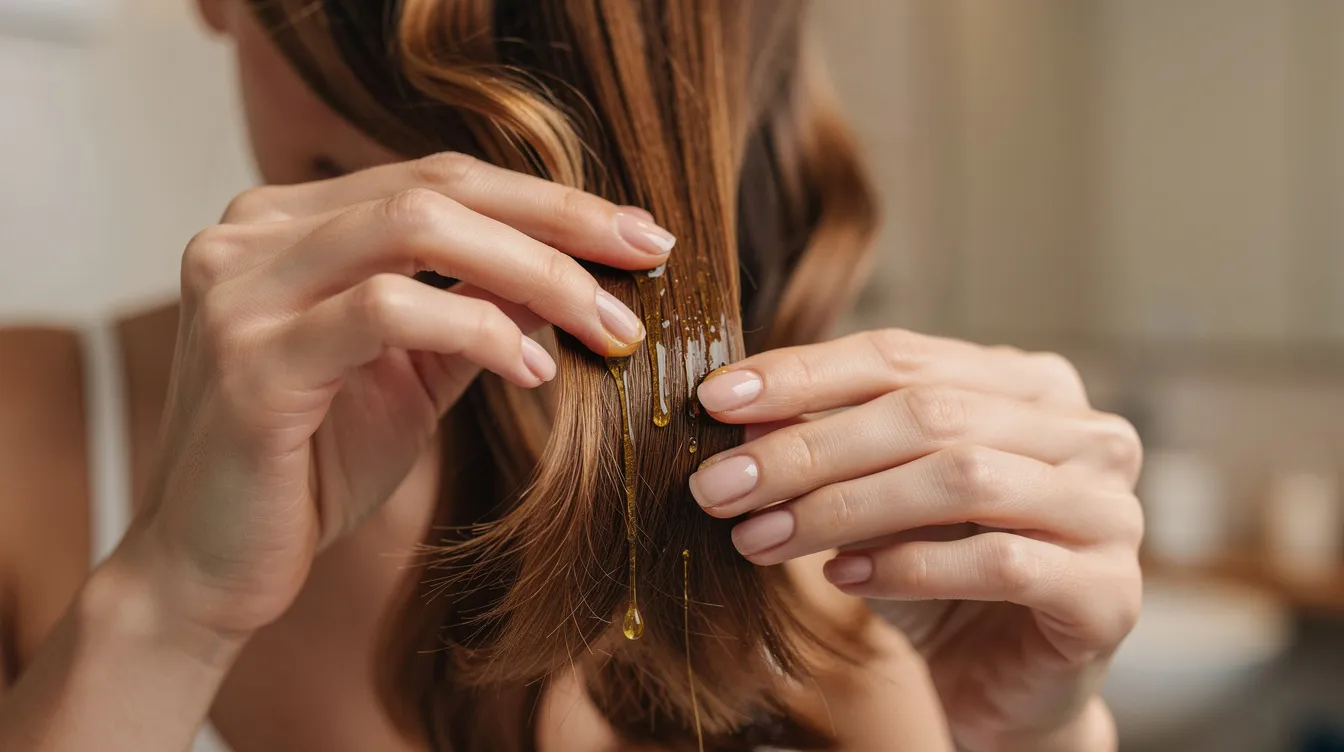
Given its thick viscosity, batana oil requires tailored application based on your hair type, porosity, and scalp condition. Start with a small amount—a few drops for short hair, up to a teaspoon for long, dense hair.
General application methods:
-
Pre shampoo treatment: Coat lengths 1-2 hours before washing to protect during cleansing
-
End-sealing: Apply 2-3 drops to towel-dried ends post-conditioner
-
Scalp massage: Gently massage a dime-sized amount into scalp for 5-10 minutes
-
Overnight treatment: Encapsulate hair under a cap for 8-12 hours, then wash
Warm the oil between palms or in a warm water bath before application to improve spreadability. Frequency ranges from 1-2 times weekly for fine hair to more frequent applications for thick, curly textures.
Curly and Coily Hair (Types 3 & 4)
Curly and coily textures experience amplified dryness because natural scalp oils travel less easily along tightly wound curls. Batana oil deeply nourish these hair types by restoring moisture where sebum distribution falls short.
Recommended approach:
-
Apply post-aqueous leave-ins in pea-sized sections using prayer hands to seal moisture
-
Focus on high-porosity areas: crown, edges, and nape
-
Use as overnight pre-shampoo treatment 1-2x weekly, with hair twisted or braided to minimize friction
-
Incorporate into protective styles like twists and braids
Pair with gentle detangling techniques using fingers or wide-tooth combs. Studies on coiled hair textures show this can halve detangling force, maximizing breakage reduction benefits while enhancing natural beauty.
Straight and Wavy Hair (Types 1 & 2)
Finer, straighter hair weighs down easily under heavy oils. Focus application away from roots and use sparingly.
Best practices:
-
Use primarily as pre shampoo treatment: apply thin layer to mid-lengths and ends, leave 30-120 minutes before washing
-
Add 1-3 drops to damp or dry ends as finishing oil for frizz control
-
Avoid scalp application if prone to oiliness, especially if you’re already managing greasy or quickly oily hair
-
Rinse thoroughly with gentle shampoo on treatment days
For wavy hair, emulsify a few drops into serums for daily use without overwhelming finer strands.
Batana Oil for Scalp Health
A healthy scalp creates the foundation for fuller-looking hair. When used carefully, batana oil supports scalp comfort through its fatty acids and antioxidants maintaining the skin barrier.
Benefits include reduced feelings of tightness, dryness, or flakiness in some users. Massaging batana oil into the scalp may support circulation and relaxation, potentially contributing to better follicle nourishment indirectly.
Important cautions:
-
Heavy or frequent oiling without proper cleansing can cause buildup and clogged follicles
-
Some individuals may develop folliculitis from occlusive oils
-
Never apply to broken, inflamed, or infected scalp skin
-
Seek medical advice for persistent irritation or hair loss
Batana Oil vs. Other Popular Hair Oils
Many other oils serve hair care purposes, and batana oil occupies a unique position as a thick, deeply conditioning option.
Compared to coconut oil—which excels at protein retention in damaged hair through lauric acid penetration—batana oil provides superior occlusion for arid climates and deeply treats heat-damaged hair strands. Castor oil, while popular for growth support, lacks batana’s spreadability, and some people explore a wider range of batana-based hair and skincare products to tailor their routine.
Lighter oils like jojoba mimic natural sebum well for daily use, but batana’s palmitic-stearic thickness makes it better suited for intensive repair treatments. When hair feels very dry, brittle, or damaged from coloring, batana oil outperforms lighter finishing oils.
The “best” oil depends on hair type, climate, and preference. Many people rotate between oils based on their hair’s current needs.
Batana Oil and Rosemary-Derived Oils
Rosemary oil has more direct human clinical data supporting its role in hair conditions—studies show comparable results to established treatments for certain types of hair loss. In contrast, batana oil’s evidence relies more heavily on traditional use and ex vivo experiments.
Some users layer both: rosemary-based products applied first, with batana oil as a sealing treatment afterward. Neither substitutes for medical treatment when hair loss stems from conditions like androgenetic alopecia or autoimmune disorders.
Safety, Side Effects, and Patch Testing
Natural doesn’t automatically mean risk-free. Individual reactions to plant oils vary, making a patch test essential before regular use.
How to patch test:
-
Apply a small amount to inner forearm or behind ear
-
Wait 24 hours
-
Watch for redness, itching, or rash
-
Proceed with hair application only if no irritation occurs
Potential issues from overuse include greasy buildup, clogged follicles, and worsening flaking. Those with sensitive or acne-prone skin type should limit application near facial hairlines where heavy oils may trigger breakouts.
Seek professional medical advice from a dermatologist for sudden, patchy, or rapidly progressing hair loss rather than relying solely on topical oils.
How to Choose and Store Batana Oil
Quality and storage significantly affect effectiveness and shelf life.
Selection tips:
-
Look for simple ingredient lists with Elaeis oleifera kernel oil clearly identified
-
Avoid products with many fillers or unclear sourcing
-
Choose opaque or amber containers protecting from light
Store in a cool, dry skin place away from direct sunlight to slow oxidation. Unrefined oil may solidify in cooler temperatures—simply warm gently before use, and consider choosing a high-quality 100% batana oil to maximize shelf life and benefits.
Pay attention to smell over time. A sharp, rancid odor or unusual discoloration signals oxidation; replace the product promptly.
Frequently Asked Questions
How long does it take to see results from using Batana oil on hair?
Many users notice softer, shinier hair within a few applications when using batana oil as a pre-shampoo or leave-in treatment. Changes in breakage and length retention typically require 4-8 weeks of consistent use to become noticeable. Visible changes in overall density or fullness can take several months due to the natural pace of the growth cycle. Results vary based on lifestyle, nutrition, and genetics.
Can Batana oil help with gray hair or restore natural color?
There’s no reliable scientific evidence that batana oil can reverse graying or restore lost pigment. Anecdotal claims of color improvement likely stem from better shine and conditioning creating enhanced light reflection rather than actual pigment change. Graying is primarily driven by genetics and age-related changes in melanocyte cells, which topical oils cannot alter. Treat batana oil as conditioning support, not color restoration.
Is Batana oil suitable for daily use on the scalp?
Suitability depends on hair type and scalp tendencies. Very dry, thick hair may tolerate more frequent use than fine or oily hair. Most people start with 1-3 scalp applications weekly, observing response before adjusting. On application days, cleanse thoroughly within 24 hours for heavy treatments. If itching, redness, or bumps develop, discontinue use and seek medical advice.
Can I mix Batana oil with other oils or ingredients in DIY recipes?
Batana oil blends well with other plant oils, butters, or conditioners in small batches. Try combining with lighter oils for easier spreadability, or add a few drops to your favorite hair cream. Keep DIY recipes simple, track ingredients, and patch test new mixtures. Prepare small quantities and store properly to minimize spoilage.
Can Batana oil be used on skin as well as hair?
Batana oil benefits dry skin, elbows, knees, and cuticles with its rich occlusive layer. Use cautiously on face, especially for acne-prone individuals, due to heavier texture and potential pore-clogging. Apply to slightly wet skin after bathing to moisturize and lock in moisture. Discontinue and consult a professional if persistent redness or breakouts occur.


