


Batana Oil for Beard: The Complete Guide to Thicker, Healthier Growth
Batana oil is a traditional Honduran oil used since at least the mid-1950s by Miskito communities for hair restoration, now gaining popularity worldwide for beard care. This guide is for anyone interested in natural beard care solutions and those seeking to improve beard thickness and health.
Key Takeaways
-
This rich oil can support thicker, softer, fuller beards by nourishing follicles and the skin beneath, but it cannot override genetics or create hair where follicles are absent.
-
Most men who see results do so after about 4-8 weeks of consistent use (3-5x per week), not overnight.
-
The oil is solid at room temperature and needs gentle warming; use a small amount to avoid a greasy beard or clogged pores.
-
Look for unrefined, ethically sourced raw batana oil from Honduras to get authentic benefits.
What Is Batana Oil and Why Is It Used for Beards?
Batana oil is a dark, dense oil extracted from the seeds of the American oil palm (Elaeis oleifera), traditionally produced in La Moskitia, Honduras. Batana oil is extracted from the seeds of the American oil palm tree, which grows wild in the tropical rainforests of Honduras. For decades, the Miskito people—often called the “Tawira” or “people of beautiful hair”—have used this liquid gold to restore dry hair and protect it from sun and sea exposure.
Compared to argan oil or castor oil, batana is thicker and more occlusive, making it particularly suitable for coarse hair and curly hair types prone to dryness. Key components include:
-
Essential fatty acids (oleic and linoleic acid)
-
Provitamin A (beta-carotene)
-
Vitamin E antioxidants
-
Trace minerals supporting skin health
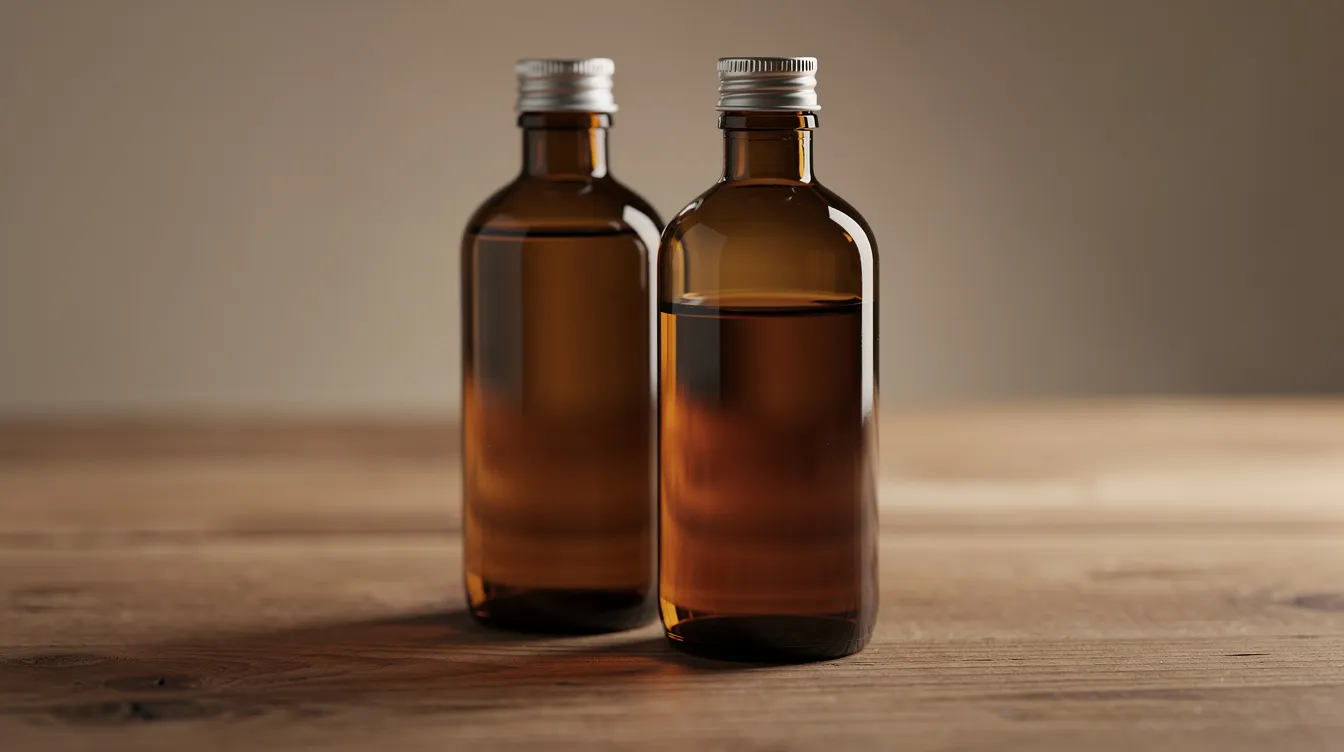
Authentic batana oil appears dark brown, stays semi-solid below about 24°C (75°F), and has an earthy, roasted, slightly nutty aroma that reflects its traditional Honduran origins and unique roasted scent.
Benefits of Batana Oil for Beard Growth and Health
The benefits of batana oil stem primarily from its rich composition and many users’ reports, rather than large clinical trials. Batana oil works by creating optimal conditions for healthy growth—nourishing hair follicles and supporting the skin beneath so your beard can reach its natural potential.
Core beard benefits include:
-
Nourishes follicles with fatty acids and nutrients, supporting stronger beard hairs from root to tip
-
Deeply conditions coarse or wiry beard hair, improving softness and texture
-
Reduces beard dandruff and dryness by sealing in moisture on both hair and skin
-
Minimizes breakage along the hair shaft so existing length is retained
-
Helps fill patchy areas by thickening and strengthening existing hairs
By calming irritation and supporting blood circulation to the skin, batana oil makes growing a longer beard more comfortable during the 2-6 week “prickle” phase. However, it will not reverse complete bald patches where no functioning follicles exist.
What Science Says About Batana Oil and Beard Growth
As of 2026, no large peer-reviewed clinical trials specifically examine batana oil for beard growth. Scientific support comes from:
-
Studies on fatty-acid-rich plant oils improving hair fiber strength
-
Research on anti-inflammatory effects that indirectly support follicles
-
Long-term traditional use in Central America for scalp restoration
Fatty acids help by replenishing lipids in the hair cuticle, reducing protein loss and brittleness. The occlusive nature of batana oil penetrates deep and locks in hydration—particularly beneficial for dry patches on coarse beards, and understanding the differences between raw and unrefined batana oils can help you choose the best option for your routine.
User reports commonly mention a fuller look after 4-8 weeks, less breakage, easier detangling, and reduced itching. Treat batana oil as a supportive grooming tool, not a medical treatment for conditions like alopecia or hormonal deficiencies.
How to Use Batana Oil for Beard (Step-by-Step)
Proper application matters because this oil is very rich and can feel heavy if overused. Apply to damp or dry hair depending on your preference.
Step 1 – Cleanse: Wash your beard with a gentle cleanser, ideally in the evening. A dedicated beard foaming wash formulated for daily cleansing can remove sebum and product buildup so the oil can be absorbed properly.
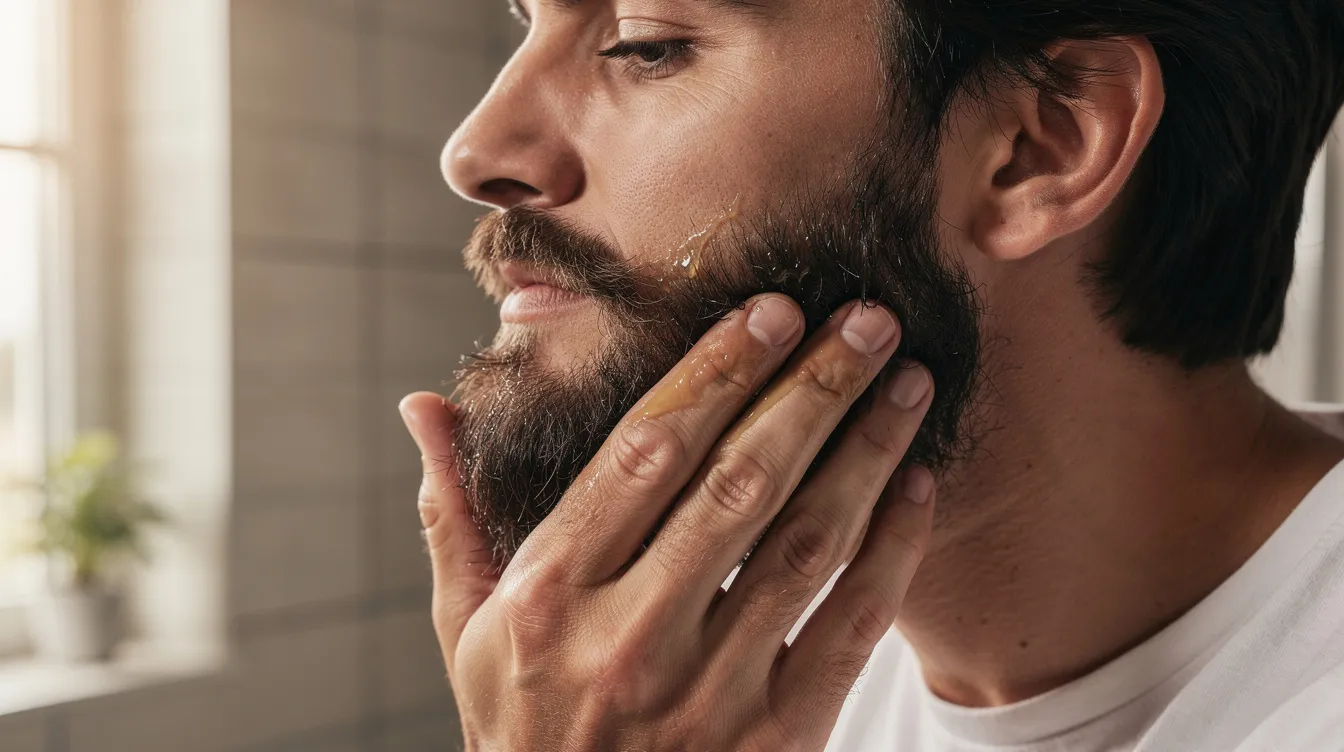
Step 2 – Warm the Oil: Scoop a pea-sized quantity for short beards or fingernail-sized for longer ones. Rub between your palms to create warm, liquid oil, or place the closed bottle in warm water briefly.
Step 3 – Apply to Skin First: Massage into the skin beneath using circular motions, focusing on patchy areas like cheeks and jawline. Then smooth remaining oil through beard length to the tips.
Step 4 – Comb Through: Use a wooden comb or boar-bristle brush to distribute evenly. This provides gentle exfoliation and helps create a fuller look; adding a beard derma roller designed to boost absorption and follicle stimulation can further enhance your routine.
Step 5 – Leave In: Batana oil is a leave-in treatment. Apply at night for maximum results; those with fine hair might prefer lighter daytime use.
How Often to Use Batana Oil and When to Expect Results
Frequency depends on beard type and skin types, but consistent use over weeks matters more than heavy single applications.
|
Skin/Beard Type |
Recommended Frequency |
|---|---|
|
Dry skin, coarse beard |
Daily or 4-5x weekly |
|
Oily/acne-prone skin |
2-3x weekly |
|
Fine or short beards |
2-4x weekly (small amount) |
Realistic timelines:
-
Improved softness: 3-7 days
-
Better manageability: 2-4 weeks
-
Visibly thicker appearance: 4-8 weeks
If no change occurs after 8-10 weeks with consistent use, genetics may be limiting growth more than topical care can address. Take periodic photos every 2 weeks to track progress objectively.
Overcoming Patchy Beards with Batana Oil
Struggling with patchy beards is a common experience, but batana oil offers a natural way to help you achieve a thicker, more even beard. This rich oil, often called “liquid gold,” is packed with essential fatty acids, vitamins, and antioxidants that deeply nourish both your beard and the skin beneath. By delivering these vital nutrients directly to the hair follicles, batana oil creates the ideal environment for healthy beard growth, similar to how broader batana-based hair and skincare treatments support overall hair health.
When applied regularly, batana oil penetrates deep into the skin and hair shaft, helping to strengthen existing hairs and encourage fuller coverage in patchy areas. The fatty acids in batana oil support the health of your follicles, while its moisturizing properties combat dryness and irritation that can contribute to uneven growth. Over time, many users notice their beards appear thicker and more filled-in, with a softer, healthier texture.
While batana oil cannot generate new follicles where none exist, its rich, natural formula helps maximize the growth potential of your current beard. Consistent use can make a visible difference, especially for those dealing with patchy spots or uneven beard patterns. If you’re looking to transform your patchy beard into a fuller, healthier look, incorporating batana oil into your daily routine is a simple and effective step toward achieving your beard goals.
Precautions, Side Effects, and Who Should Be Careful
Even natural oils can cause irritation. Before daily use, do a patch test: apply a tiny amount to your inner forearm, wait 24 hours, and check for redness or rash.
Potential issues:
-
May clog pores for acne-prone skin types
-
Overuse creates a greasy, weighed-down beard
-
Rare nut-related sensitivities possible
Be cautious if you have:
-
Active cystic acne on the beard area
-
History of contact allergies to plant oils
-
Prescription topical skincare treatments
If irritation occurs, stop use immediately, wash with a gentle cleanser, and apply fragrance-free moisturizer. Remember: less is more for optimal results.
How to Choose a Quality Batana Oil for Your Beard
Not all batana oils are authentic. Some products are diluted blends supporting lower quality.
Quality markers:
-
Label states “100% pure” or no fillers
-
Sourcing specified from Honduras
-
Ingredient list shows “Elaeis oleifera (Batana) Oil”
Sensory cues of real batana:
-
Dark brown to deep amber color
-
Semi-solid at room temperature
-
Earthy, roasted vanilla-like nut scent—not synthetic
Store away from sunlight and use within 12-18 months of opening. Consider supporting ethical brands that provide fair compensation to local Miskito producers and offer 100% batana oil sourced from Honduras.
FAQ
Can batana oil actually grow new beard hair where I have none?
Batana oil cannot create new follicles or force hair growth in genetically hairless areas. Its role is supporting existing follicles, reducing breakage, and improving skin health so your natural growth reaches full potential. Men with very sparse beards due to hormones should post a comment consulting a professional about additional options.
If you're looking to maximize your beard routine, pairing batana oil with the right tools can make a difference. Explore our full beard care collection—including oils, growth-support tools like a derma roller, and daily grooming essentials—to support healthier-looking, fuller beards:
Browse Beard Care Collection →
Is batana oil better than castor oil or argan oil for beards?
“Better” depends on your beard type. Batana is heavier and more occlusive—ideal for very dry, coarse, or straight to curly beards. Argan and jojoba are lighter for fine or oily hair types. Some men vary their routine or blend batana with a lighter carrier oil to customize absorption and natural shine.
Can I use batana oil together with a regular scented beard oil or balm?
Yes, but adjust quantities to avoid buildup. Use pure batana oil mainly at night for deep conditioning, then a lighter beard oil that conditions and promotes thicker growth in the morning for styling. Wait 10-15 minutes after applying batana before layering another product.
Will batana oil darken my beard or affect its color?
While the oil itself is dark, there’s no strong evidence it permanently changes beard color. By smoothing the cuticle and adding shine, it can make darker beards look richer—an optical effect, not dyeing. Any temporary tint on light beards disappears after washing.
Is batana oil safe for daily use on sensitive skin?
Many with sensitive skin tolerate it well, but introduce slowly. Start with a patch test, then use 2-3 times per week for the first 2 weeks. If your body remains calm, increase frequency. Those prone to clogged pores may need to maintain less frequent applications for best results and purchase a lighter complementary oil or spray-based beard treatment with natural ingredients.


