


Batana Oil for Grey Hair: Science, Benefits & How to Use It
Introduction
Grey hair is a natural part of aging, but many people seek ways to maintain healthy, vibrant hair as they get older. If you’re searching for an effective natural remedy, batana oil for grey hair is gaining attention for its potential to improve hair texture and support pigment retention. This guide explores the science, benefits, and practical use of batana oil for grey hair, providing evidence-based insights for anyone interested in natural hair care solutions.
Key Takeaways
-
Batana oil cannot magically reverse all grey hair, but consistent use over several months may slow greying and subtly darken some grey strands while improving overall hair health.
-
The primary benefits for grey hair include improved moisture, softer texture, scalp nourishment, and a healthier environment for pigment retention in follicles still producing melanin.
-
Unrefined batana oil (traditional Honduran paste) can gradually darken some grey or very light hair, while refined batana oil is better for those wanting to keep silver strands bright.
-
For best results, warm a small amount of oil, massage into scalp 3–4 times weekly, leave for 30–60 minutes or overnight, then wash with a gentle shampoo.
-
Many users report improved softness within 2–4 weeks, reduced breakage by 6–8 weeks, and potential subtle blending of grey strands after 3–6 months of consistent application.
What Is Batana Oil & Why Is It Linked to Grey Hair?
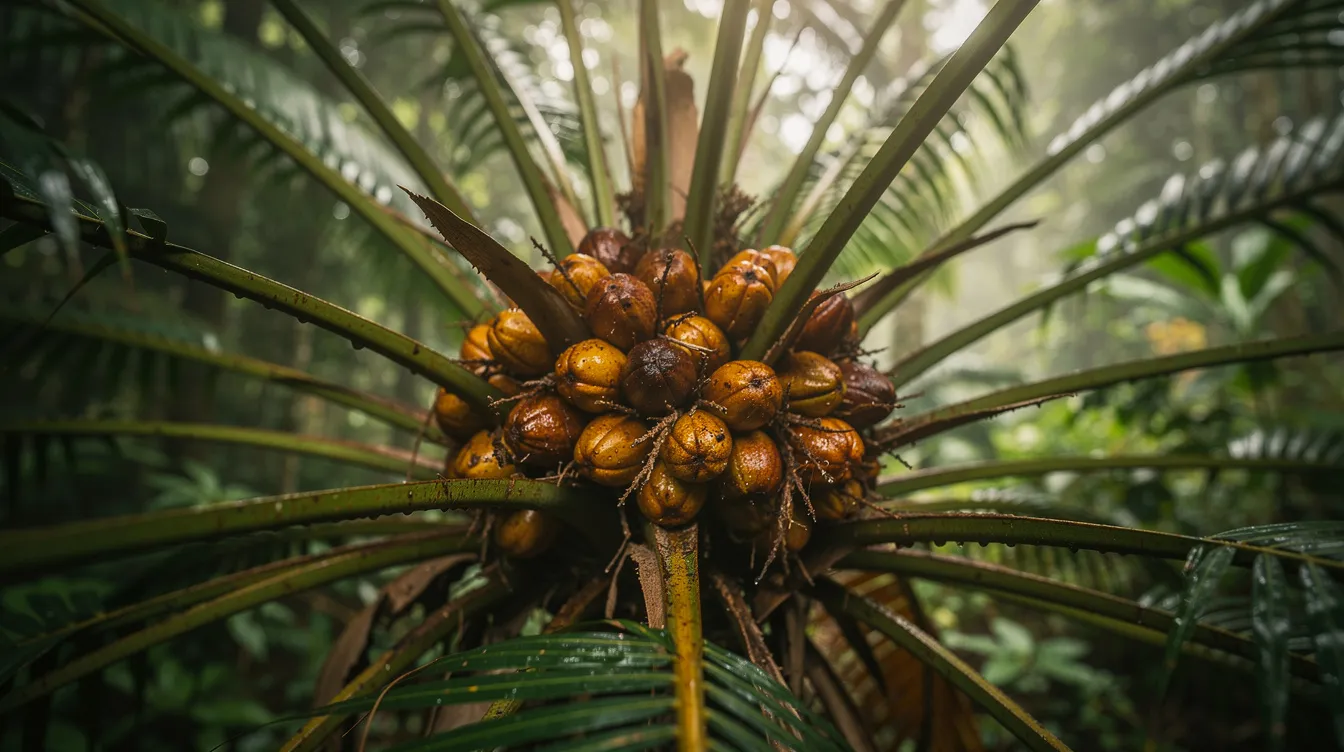
Batana oil is a natural oil extracted from the nuts of the American palm tree (Elaeis oleifera), native to the rainforests of Honduras and Nicaragua. Batana oil is extracted from the nuts of the American palm tree (Elaeis oleifera) and is rich in essential fatty acids, antioxidants, and natural Vitamin E, which help nourish the scalp and strengthen hair follicles. It also contains beta-carotene and vitamin E compounds. Indigenous communities, particularly the Miskito people, have harvested and processed this oil for generations—with documented use dating back to at least the early 1900s for promoting thick, dark, glossy hair and maintaining scalp health.
Its reputation for helping with grey hair stems from anecdotal reports of softer strands, improved moisture, and sometimes subtle darkening of grey strands over time. No large clinical trials exist as of 2026, but the oil’s rich composition of essential fatty acids, antioxidants, vitamin E-like compounds, and carotenoids makes it promising for age-related hair changes. Understanding why hair turns grey helps clarify what batana oil can realistically do.
Why Hair Turns Grey: The Science Behind Silver Strands
Greying is a biological change in pigment production, not simply a marker of old age. Most people see their first grey strands in their mid-30s, though genetics play a major role—some notice greying in their late teens or early 20s, with premature greying affecting about 20-30% of Caucasians by age 30.
The process centers on melanocytes in hair follicles. These cells produce melanin, the pigment responsible for hair color. When melanocytes slow down or die, new hair grows in grey, silver, or white. Key drivers include:
-
Genetics (primary factor)
-
Chronological aging (melanocyte stem cell exhaustion)
-
Oxidative stress (hydrogen peroxide buildup damaging cells)
-
Smoking (accelerates greying by up to 4 years)
-
Nutritional deficiencies (B12, folate, copper, iron, vitamin D)
-
Autoimmune conditions (vitiligo, alopecia areata)
Once a follicle permanently loses melanocytes, no topical oil is proven to fully restore natural color. However, supporting scalp and follicle health may slow further loss in still-active follicles.
The Role of Melanin and Oxidative Stress
Eumelanin produces black to brown tones while pheomelanin yields red-yellow hues. Greying reflects reduced melanin production as new hair fibers grow. A significant factor is oxidative stress within the follicle—hydrogen peroxide accumulation, UV exposure, and pollution damage melanocytes over time.
This connection explains why antioxidant-rich oils may be helpful as part of a protective routine. Batana oil works by supporting the scalp environment rather than acting as a direct dye. Maintaining good blood flow and a well-nourished scalp helps remaining pigment-producing cells function longer.
Can Batana Oil Reverse Grey Hair? Setting Realistic Expectations
Batana oil does not function like a chemical hair dye and cannot guarantee full reversal of established grey hair. Its real impact is indirect: improving the healthier environment around follicles, reducing dryness and breakage, and possibly supporting pigment retention where melanocytes remain active.
Some users report subtle darkening or a blending effect on scattered greys after 3–6 months of consistent use. Results vary widely based on genetics, age, and application consistency. Think of batana oil as a long-term supportive treatment for hair and scalp health, not an overnight cure.
Combine batana oil with healthy lifestyle habits—nutrition, stress management, UV protection—for the best chance of slowing further greying.
How Batana Oil May Support Pigment Retention

Batana oil offers a unique composition for scalp care. It contains oleic acid (omega-9) and linoleic acid (omega-6), which are fatty acids that hydrate the scalp barrier and may reduce micro-inflammation around follicles—a process linked to accelerated aging and pigment decline.
The oil’s natural vitamin E compounds and carotenoids (like beta-carotene) help fight oxidative stress at the scalp surface. Regular massage during application improves circulation, potentially delivering more nutrients and oxygen to hair follicles. Any color change tends to appear as enhanced depth or warmth rather than a dramatic shift—subtle support, not a transformation.
Benefits of Batana Oil Specifically for Grey and Silver Hair
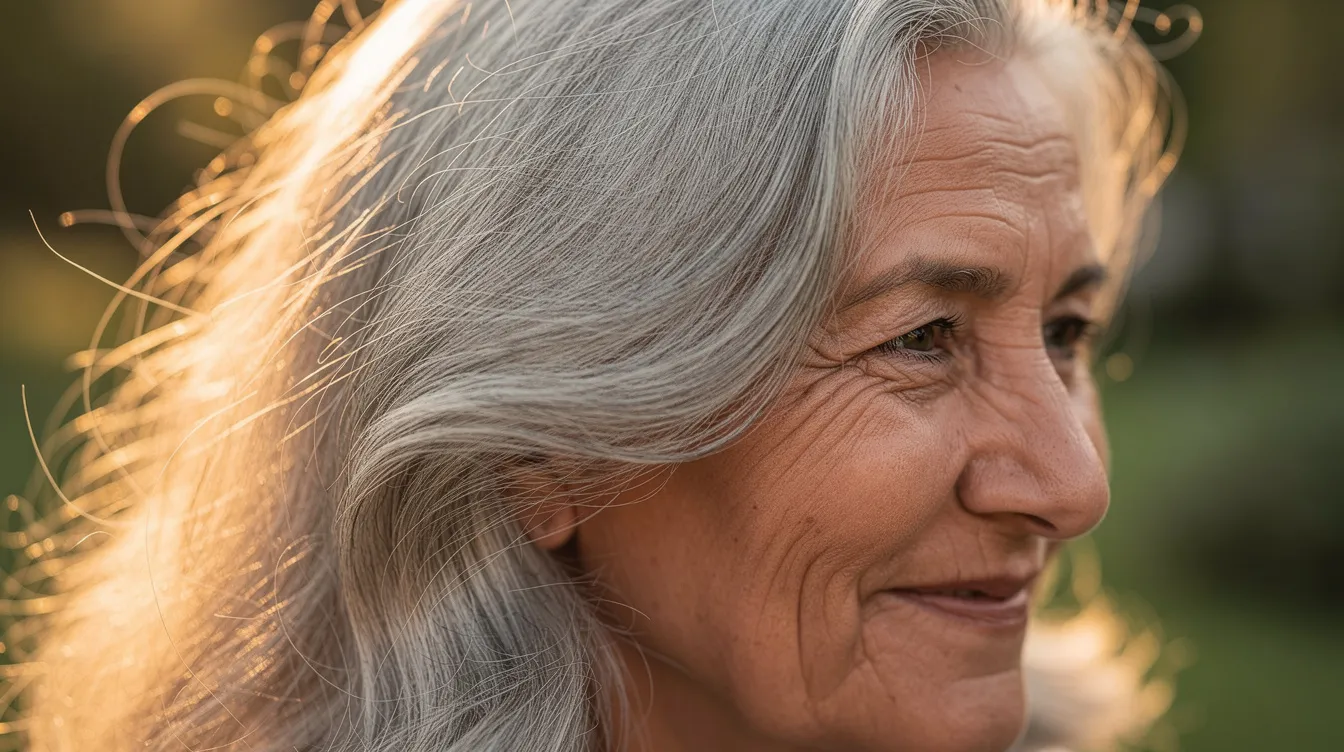
Grey hair behaves differently from pigmented hair. It’s typically drier (grey hair loses up to 30% more lipids), more porous, and more prone to frizz and breakage. Many users find their silver strands feel wiry or unmanageable without proper care.
Batana oil’s main advantages for grey hair are cosmetic and structural: smoother texture, better shine, and reduced roughness of the cuticle. The oil helps counter the dull, yellowed look that sometimes develops from environmental damage. Position batana-based hair and scalp products as a core treatment in weekly grey hair care—similar to a deep-conditioning mask designed specifically for aging hair.
Texture, Shine, and Breakage Control
Real batana oil forms a lightweight protective film over hair shafts, softening wiry grey strands and improving manageability. Users report 20-40% less shedding after a month of regular use, particularly in hair exposed to heat styling or frequent washing.
After consistent use, grey hair typically looks less frizzy with improved slip for easier detangling. Split ends become less prominent as the oil helps repair damaged strands. Those with fine hair should use a few drops or apply mainly to mid-lengths and ends to avoid heaviness.
Scalp Comfort and Long-Term Follicle Support
Age-related scalp dryness often causes tightness, mild itch, or flakiness. Batana oil’s emollient properties soothe these issues by supporting the scalp’s moisture barrier. Nourishing the scalp protects follicles from environmental stressors, indirectly supporting hair thickness and resilience.
People with sensitive skin should patch test batana oil behind the ear or on a small scalp area for 24–48 hours before regular use. Consistent scalp care with this natural oil or a richer batana hair and scalp cream with turmeric is especially useful for those noticing both greying and thinning—a common pattern in 40% of people over 50.
How to Use Batana Oil on Grey Hair (Step-by-Step)
Application technique and consistency—measured in months, not days—are crucial for seeing benefits on grey hair. True batana oil in its unrefined form is usually semi-solid and dark brown at room temperature, needing gentle warming before use, but authentic cold-pressed liquid versions also exist as part of 100% batana oil processing methods. Refined versions are lighter and more fluid.
Start with 2–3 treatments per week, adjusting frequency based on hair thickness and scalp response. Applying batana oil on clean or freshly-rinsed hair, when styling product buildup is minimal, gives the best penetration for real results.
Scalp Treatment Routine (For Pigment Support & Growth)
Begin by placing half to one teaspoon of 100% Honduran batana oil in a small bowl and resting it in warm water until it melts into a rich dark liquid. Part your hair into sections and apply a small amount directly to the scalp, focusing on areas with the most greying or thinning—typically the temples, crown, and hairline.
Massage gently with your fingertips for 5–10 minutes to boost blood flow and help the oil spread evenly. Avoid harsh scratching. Leave the treatment on for 30–60 minutes during the day, or overnight under a satin bonnet for deeper nourishment.
Wash out with a sulfate-free shampoo, shampooing twice if you have fine or easily weighed-down hair. Follow with a light conditioner if needed. For the first 8–12 weeks, aim for 3–4 treatments weekly, then adjust to 1–2 maintenance sessions once you achieve desired results.
Hair Masking for Grey, Coarse, or Silver Strands
For mid-length-to-ends treatment, apply a small amount (pea to dime size) to damp hair after washing, avoiding the roots if you have fine hair. Leave the oil on for 20–40 minutes under a shower cap or warm towel, then rinse thoroughly.
Very dry or curly grey hair benefits from mixing batana oil with a favorite deep conditioner or using a dedicated batana conditioner with turmeric for a richer weekly treatment. Regular masking 1–2 times weekly helps maintain softness, particularly in naturally coarse or tightly coiled textures where vibrant hair can be harder to achieve.
Adjusting Use for Different Hair Types and Colors
|
Hair Type |
Amount |
Frequency |
Focus Area |
|---|---|---|---|
|
Thick/Coarse |
1 tsp |
3-4x weekly |
Scalp + full length |
|
Fine/Straight |
Pea-sized |
2x weekly |
Scalp + ends only |
|
Curly/Coily |
1 tsp |
3-4x weekly |
Scalp + overnight masks |
|
Color-treated |
Small amount |
2x weekly |
Mid-lengths + ends |
Those wanting to preserve a bright, icy silver look may choose refined batana oil or shorter contact times to reduce gradual darkening. People using permanent hair dye can still use batana oil for moisture and breakage prevention but should watch for subtle tone shifts in very light colors, opting for lighter blends such as batana oil with turmeric and jojoba if they prefer a more fluid, daily-friendly formula.
Unrefined vs. Refined Batana Oil: Color & Safety Considerations

Unrefined batana oil is traditional, dark, and strongly scented—the form used by indigenous communities for centuries. Refined versions have a lighter color and milder scent due to processing that removes pigments.
Unrefined oil contains more natural pigments and aromatic compounds, preferred for intensive treatments but capable of gradually darkening very light or grey hair with long-term use. Refined batana oil has fewer pigments, making it safer for those avoiding any potential darkening—especially on color treated hair like platinum blondes or icy greys.
Choose based on your goals: unrefined for those hoping for subtle darkening and deep nourishment, refined for moisture without hair color shifts, and consider broader natural oil collections for hair and skin if you want to build a complete routine.
Recognizing Genuine Unrefined Batana Oil
Authentic batana oil appears as a thick, brown to deep caramel paste at room temperature that melts into a dark amber liquid when warmed. It carries an earthy, nutty, slightly smoky scent from traditional Honduran processing methods, which fades after application.
Be cautious of products sold very cheaply with a thin, pale yellow consistency and strong artificial fragrance—these may be diluted blends rather than real batana oil. Check sourcing information (Honduras, Miskito communities, cold-pressed) and batch dates when available. Authentic products support indigenous communities who have preserved these methods for generations.
Patch Testing and Color-Sensitivity Tips
Perform a 24–48 hour patch test on a small scalp area or hidden strand before full application, especially with unrefined oil. Those with palm or nut allergies (though rare) should consult an allergist before use.
People with salon highlights, balayage, or very light box-dyed hair should start with refined batana oil or short wash-out masks rather than overnight soaks. Monitor hair tone over 4–6 weeks and adjust frequency or switch to refined oil if unwanted darkening occurs. Harsh chemicals from frequent processing make hair more porous, so it may absorb pigments differently.
What to Expect Over Time: Timeline & Complementary Habits
Noticeable changes in grey hair texture typically require at least 6–8 weeks of steady use. Here’s a rough timeline:
|
Timeframe |
Expected Changes |
|---|---|
|
2-3 weeks |
Improved softness and shine |
|
6-8 weeks |
Less breakage, easier styling |
|
3-6 months |
Potential subtle blending of grey strands |
Not everyone sees pigment changes, but most people can expect better moisture and reduced roughness with consistent use. Take before-and-after photos in similar lighting every 4–6 weeks to track changes objectively—your own account of progress helps separate real changes from wishful thinking.
Lifestyle & Nutritional Support for Greying Hair
Supportive habits amplify batana oil’s effects, and combining it with natural hair growth treatments and oils can further support scalp and follicle health. Adequate sleep, stress management, and avoiding smoking (strongly linked to earlier greying) all matter. Nutritional deficiencies in vitamin B12, folate, vitamin D, copper, zinc, and protein are linked to 15-20% of premature greying cases—consult a healthcare professional before starting supplements.
UV protection through hats or protective products limits sun-induced damage and yellowing of silver strands. Gentle hair practices—limiting harsh chemical treatments, reducing high-heat styling, using sulfate-free shampoos—help preserve batana oil’s benefits and support hair growth over time.
Frequently Asked Questions (FAQ)
Can I mix batana oil with other oils for grey hair?
Batana oil blends safely with carrier oils like jojoba, argan, or sweet almond to adjust texture and absorption speed. Adding a few drops of rosemary, peppermint, or black seed oil is popular for extra scalp stimulation, but keep essential oils under 1-2% of the total blend. Patch test any new mixture, as combining ingredients increases irritation risk for sensitive scalps. Mixing doesn’t cancel batana oil’s benefits—it simply customizes the feel for different hair types.
Is batana oil safe to use on dyed or chemically treated grey hair?
Batana oil is generally safe on color treated hair and helps reduce dryness from dye, bleach, or relaxers. Unrefined oil’s natural pigment may slightly deepen very light or pastel shades over time, so refined oil is safer when color precision matters. Start with 30–45 minute contact times and extend gradually. Coordinate with your stylist if undergoing frequent color services to time oil treatments appropriately.
How long does it take to see any change in my grey hair with batana oil?
Most people notice improved softness and shine within 2–4 weeks of applying batana oil 2–4 times weekly. Potential subtle darkening or blending of greys, when it occurs, tends to appear after 3–6 months of consistent application. Results vary—some see textural improvements without significant color change. Reassess at the 3-month mark and adjust frequency based on how your hair looks and feels.
Can I use batana oil if I have dandruff or a sensitive scalp?
Many people with mild dryness-related flaking find batana oil soothing for healthy scalp maintenance. However, if dandruff stems from fungal overgrowth (seborrheic dermatitis), heavy oils can sometimes worsen scaling. Start slowly—1–2 times weekly—and combine with a medicated dandruff shampoo if needed, or alternate with a lightweight turmeric oil for face, body, and scalp if you want additional soothing and anti-inflammatory support. Stop use and seek medical advice if redness, burning, or worsening flakes occur.
Is batana oil suitable for older adults with mostly white hair?
Batana oil remains useful for people in their 50s, 60s, and beyond with predominantly white or silver hair. Main benefits include improved softness, reduced breakage, less frizz, and more comfortable scalp skin rather than dramatic color recovery. Those enjoying their white look may prefer refined oil or shorter treatment times to minimize slight darkening risk. Focus on comfort, manageability, and shine as primary goals—treating any subtle pigment changes as a possible bonus.
Final Thoughts Grey Hair
Batana oil offers a natural, traditional approach to grey hair care that prioritizes scalp health and hair texture over unrealistic reversal promises. While oil works best as part of a comprehensive routine—not as a standalone miracle—consistent use can deliver real improvements in how your beautiful hair looks and feels.
Start with a patch test, commit to 8–12 weeks of regular application, and track your progress with monthly photos. Whether you’re embracing your silver strands or hoping for subtle darkening, authentic batana oil from Honduran sources provides a nourishing foundation for healthier, more vibrant hair at any age.


