


Essential Oils: A Practical Guide to Safe, Non-Toxic Aromatherapy & Skin Care
Key Takeaways
-
Essential oils are potent plant extracts that need to be diluted with carrier oils before being applied to the skin, scalp, or beard.
-
Popular options like lavender essential oil, tea tree, sweet orange, clary sage, and eucalyptus globulus each offer distinct aromatherapy and skin/hair benefits.
-
These oils are complementary wellness tools, not cures for medical conditions—they should never be ingested and require careful safety practices.
-
IWELL US focuses on non toxic, clean-beauty formulations using essential and carrier oils designed for textured hair, beards, and sensitive skin routines.
-
This guide provides concrete direction on selecting, blending, and safely applying essential oils at home, with a detailed FAQ at the end.
Introduction to Essential Oils
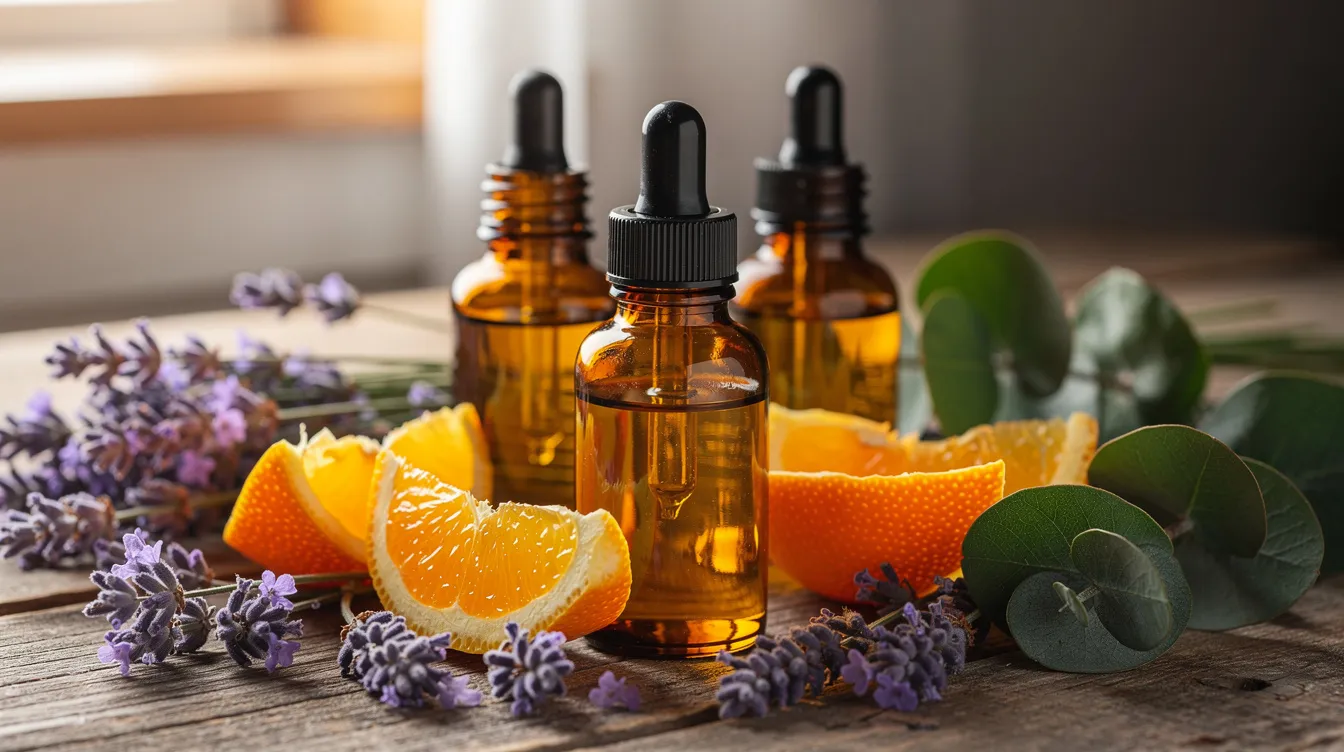
Essential oils are highly concentrated, volatile aromatic compounds extracted from plants like lavender flowers, tea tree leaves, citrus peels, and eucalyptus. These powerful plant extracts capture a plant’s natural scent and flavor, often referred to as its essence.
In modern wellness, essential oils fit into aromatherapy, scalp and beard care, skin routines, and home scenting.It has been estimated that 43% of individuals experiencing stress and anxiety turn to some form of alternative therapy for relief, with essential oils being among the most favored options. Clean-beauty consumers gravitate toward these oils because they offer plant-based alternatives to synthetic fragrances.
This article is written from IWELL US’s perspective as a clean beauty brand using plant-based ingredients and carrier oils in non toxic formulations for textured hair, beards, and skin. Essential oils are primarily used in aromatherapy to support physical and emotional well-being by stimulating the brain’s limbic system through smell—though evidence for specific health claims remains mixed. Expect realistic guidance and safe, responsible use rather than miracle promises.
What Are Essential Oils & Carrier Oils?
Essential oils emerge as concentrated aromatic compounds extracted from specific plant parts—flowers, bark, leaves, resins, and peels. Each oil captures the unique chemistry of its source material. Here are common examples:
The extraction process varies by plant type:
-
Steam distillation is used for lavender and eucalyptus, passing superheated steam through plant material to volatilize and condense the oils
-
Cold pressing mechanically ruptures citrus glands without heat, preserving delicate monoterpenes in citrus oils like sweet orange and lemon
Carrier oils are fatty, non-volatile plant oils used to dilute essential oils for skin and hair application. Common carriers include jojoba oil (which mimics skin’s natural sebum), grapeseed oil (lightweight, suitable for oily skin), and sweet almond oil (emollient and moisturizing). Essential oils should always be diluted with a carrier oil before use, as they are too strong to apply directly to the skin and can cause irritation or allergic reactions.
IWELL US uses carrier oils as the base for many hair and body formulas. Customers can also purchase standalone 100% pure carrier oils to dilute single essential oils at home, creating personalized blends while maintaining safety.
Popular Essential Oils and Their Everyday Uses
Different essential oils serve different purposes based on their chemical profiles, scents, and precautions. This section highlights several commonly used in non toxic home routines.

Lavender oil offers a calming floral aroma that makes it a staple in evening routines. Many people add it to pillow sprays, scalp oils, and baths to support relaxation and sleep hygiene. Lavender essential oil is commonly used in skincare for its soothing properties, which can help reduce skin irritation and promote a more balanced complexion. Some studies suggest lavender oil has the potential to ease feelings of low mood when used in aromatherapy, which is why it appears frequently in self-care products and home scents.

Tea tree carries a sharp, medicinal scent that signals its antimicrobial nature. Certain essential oils, like tea tree oil, are known for their antimicrobial properties, making them effective in treating acne and other skin infections. It’s frequently used in diluted form in scalp oils, beard care, and spot-treating blemish-prone areas. Always dilute properly—pure essential oils applied directly can cause skin irritation.

Sweet orange delivers a bright citrus aroma perfect for morning showers, body oils, and home diffusers. It creates an uplifting atmosphere and pairs well with other oils. However, certain essential oils, particularly citrus oils, can increase the skin’s sensitivity to sunlight, leading to a higher risk of sunburn when applied topically. Avoid direct sun exposure on treated skin for 12-24 hours.
Clary Sage Essential Oil
Clary sage presents an herbaceous, slightly sweet scent often included in blends meant for grounding and evening wind-down. It’s popular in massage oils for its calming aroma.
Eucalyptus Globulus Essential Oil

Eucalyptus globulus offers a cooling, camphoraceous scent typically used in steam inhalations or shower aromatherapy. Eucalyptus acts as a decongestant to clear stuffy noses and soothe coughs and is found in topical rubs to ease muscle and joint pain. Use caution around children and pets.
These oils can be combined into simple blends—lavender plus sweet orange for relaxation, or tea tree plus lavender in a diluted scalp serum. Each oil’s intensity, safety profile, and ideal dilution differ, so always follow label guidance and patch-test first.

Benefits & Limits of Essential Oils for Skin, Hair, and Wellbeing
Essential oils are not medicines and cannot cure conditions like anxiety, depression, infections, or chronic inflammatory diseases. Instead, they can complement self-care for mood, skin, and hair when used correctly. Essential oils have been revered for centuries for their transformative impact on the skin, offering natural solutions for various skincare concerns such as rejuvenating aging skin and battling acne, and IWELL US offers 100% pure essential oil collections that align with these clean-beauty goals.
Skin Benefits
Some essential oils (diluted tea tree, lavender, and sweet orange) are commonly used to support clearer-looking skin and a balanced complexion. Essential oils may help fight inflammatory conditions, with some test-tube studies showing anti-inflammatory effects. Certain essential oils have been shown to possess anti-inflammatory properties, which may be beneficial in managing conditions characterized by inflammation. A 2024 review of animal studies found that ingesting essential oils helped induce the remission of colitis, although very few human studies have examined their effects on inflammatory diseases.
Always heavily dilute in carrier oils or use formulated products to reduce irritation risk on inflamed skin.
Hair and Scalp Benefits
Many people with textured or curly hair use essential-oil-infused natural hair care oils for a fresher scalp environment and pleasant scent. Lavender, tea tree, and eucalyptus globulus are common ingredients in pre-shampoo treatments and beard oils—always diluted with carriers. Many essential oils provide both functional benefits and aromatic appeal in these applications.
Emotional Wellbeing
Peppermint essential oil is frequently used to boost energy, improve mental focus, and alleviate tension headaches. Lemon essential oil is often used to uplift mood and reduce anxiety, with natural antibacterial qualities that make it a favorite for household cleaners as well.
A 2014 review encompassing 15 studies revealed that most demonstrated beneficial effects of essential oils, especially lavender oil, on sleep patterns. A meta-analysis involving eleven studies and 628 participants concluded that lavender oil may benefit sleep quality in adults, and other aromatic herbs like rosemary essential oil are also being explored for wellbeing benefits, although more high-quality studies are needed. One study on 73 postmenopausal women found that neroli oil improved sleep quality compared to a control almond oil.
Using essential oils during a massage may help alleviate stress, particularly warming varieties like ginger essential oil, although the calming effects might only last for the duration of the massage. Essential oils can be integrated into various daily routines for home fragrance, personal care, natural cleaning, sleep and relaxation, topical relief, and pest control, with fresh, minty choices such as spearmint essential oil offering versatile options. Essential oils have antibacterial properties and can be used in DIY household cleaners to disinfect surfaces and remove odors.
Inhaling scents like lavender oil, clary sage, and lemongrass or other citrusy essential oils through diffusers or pulse-point oils can support relaxing routines and personal rituals. However, systematic review findings show small effect sizes, and more high quality studies remain needed. Holistic aromatherapy works best as sensory support, not a replacement for mental health treatment or alternative medicine claims.
Safety, Toxicity, and Non-Toxic Use at Home
“Natural” does not always mean “safe.” Essential oils are powerful concentrates that can cause irritation, allergic reactions, or more serious issues when misused. Some essential oils can cause severe irritation, provoke allergic reactions, and may be toxic if ingested or improperly used, leading to symptoms such as confusion, choking, and seizures, so even seemingly gentle options like anise star essential oil must be handled with care.
Core Safety Principles
-
Always dilute essential oils in carrier oils before skin, scalp, or beard application; never apply undiluted oils directly to large skin areas
-
Never ingest essential oils or add them to food or drinks; accidental ingestion can be dangerous, especially for children
-
Avoid use on infants and very young children unless guided by a qualified professional; certain oils like eucalyptus globulus and peppermint are generally not recommended for young children
-
Pregnant women and breastfeeding women are generally advised to avoid using essential oils, as some can be harmful or disrupt hormonal balance—consult a health care professional first
Common Reactions and Risk Factors
Some people develop contact dermatitis or irritation from oils like tea tree, lavender, citrus oils, and herbal oils such as basil essential oil, as well as oils rich in phenols. Allergic reactions can affect 5-10% of first-time users. Some essential oils are toxic to pets, particularly cats, and can be dangerous for young children or during pregnancy.
Citrus-based oils (including sweet orange and lime essential oil) may increase sun sensitivity. Avoid direct sunlight or UV exposure on treated skin for 12-24 hours, depending on dilution.
What “Non Toxic” Means at IWELL US
IWELL US avoids unnecessary synthetics, harsh preservatives, and undisclosed fragrance mixes. The brand focuses on plant-based, clean formulations using pure oils and natural compounds. Even non toxic products must still be used exactly as directed, respecting dilution guidelines and patch-testing. Synthetic oils and harmful additives have no place in clean-beauty routines.
Storage Best Practices
Store oils in dark glass bottles away from heat, light, and children, especially more delicate options like carrot seed essential oil that can oxidize over time. Check best-by dates—oxidized oils become more irritating. Most oils remain stable 1-2 years; citrus oils often have shorter ideal shelf lives of 6-12 months.
How to Use Essential Oils Safely in Your Routine
This section provides simple, concrete ways to incorporate essential oils into daily life—focused on topical and inhalation routes only.
Safe Dilution Practices
|
Application Area |
Recommended Dilution |
Drops per Ounce of Carrier |
|---|---|---|
|
Face |
0.5-1% |
1-2 drops |
|
Body and Scalp |
1-2% |
3-12 drops |
|
Spot Treatment |
2-5% (briefly, under guidance) |
Follow product labels |
Always follow specific product labels, which may differ based on formulation and skin type. Pure essential oils require careful measurement.
Common Application Methods
Topical Use:
-
Diluted roll-ons for pulse points (wrists, temples)
-
Scalp and beard oils for textured hair and facial hair
-
Pre-shampoo treatments massaged into scalp
-
Body oils applied after showering for a soothing finish
Aromatic Use:
-
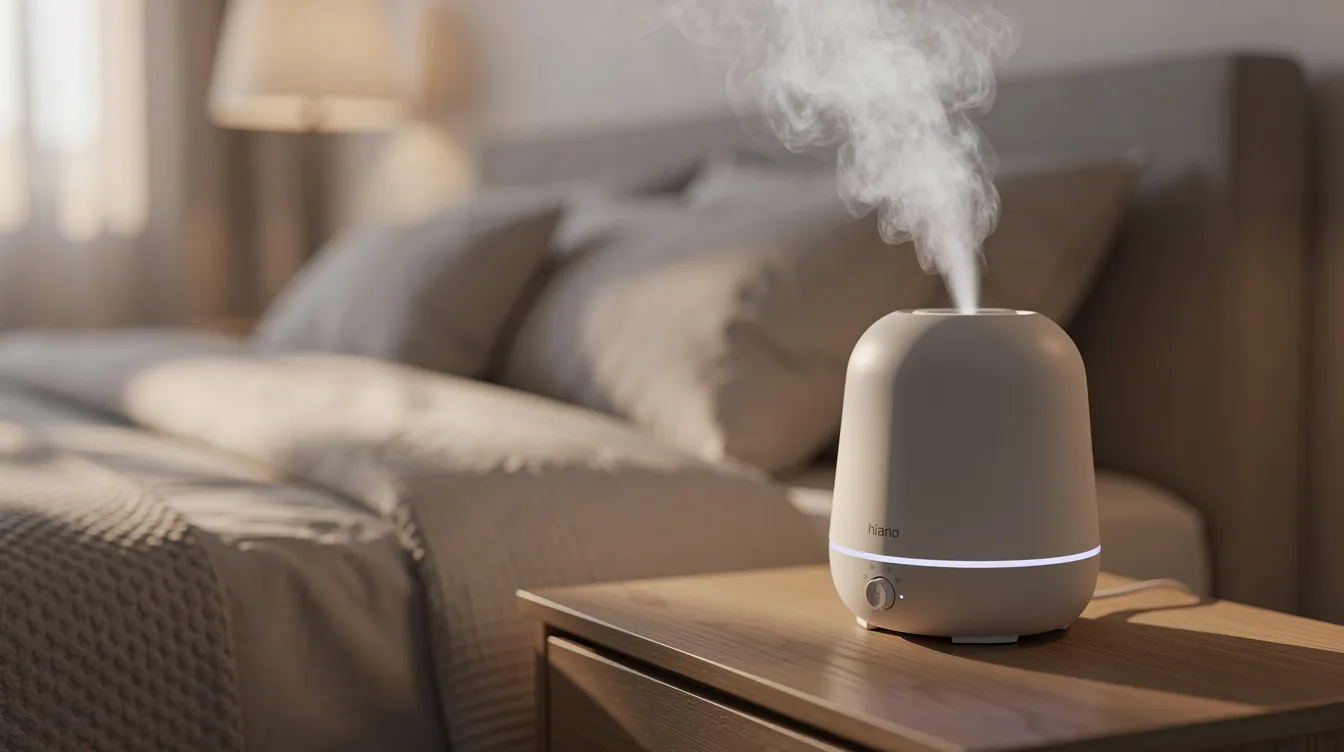
Diffusers with water and 3-5 drops of essential oil (30-60 minute cycles)
-
Steam-inhalation bowls for adults only (2 drops in hot water, inhale 5 minutes)
-
Adding diluted blends to bathwater using a dispersant like milk—never undiluted drops straight into the tub
Patch Testing Protocol
Apply a small amount of the diluted blend to your inner forearm. Wait 24-48 hours and watch for redness, itching, or burning before wider use. This simple step prevents unexpected reactions on larger skin areas.
How IWELL US Simplifies Safe Use
Pre-blended body oils, hair oils, and beard products from IWELL US are already formulated with appropriate carrier oils and essential-oil levels within safe usage ranges. This makes them easier to incorporate than raw essential oils for beginners exploring plant therapy and nature-based routines.

Choosing Quality Essential Oils and Clean-Beauty Formulas
Quality, sourcing, and transparency matter greatly. Terms like “pure” and “therapeutic grade” are not legally standardized in many markets—the national association for aromatherapy professionals has no regulatory authority over labeling claims.
Key Quality Checks
-
Clear labeling with the plant’s Latin name (Lavandula officinalis or Lavandula angustifolia for lavender essential oil, Melaleuca alternifolia for tea tree), part of plant used, and country of origin
-
Batch or lot numbers and best-by dates to track freshness, purity, and oxidation risk
-
Indication that the oil is 100% essential oil with no hidden diluents (unless clearly sold as pre-diluted)
-
Look for oils considered true essential oils rather than synthetic imitations
True essential oils come directly from plant extracts through proper extraction methods, not lab synthesis, whether you prefer woody notes like cedarwood essential oil or bright citruses. Research from industry sources suggests 20-50% of market oils contain adulterants—so verifying quality protects your skin and your investment.
IWELL US’s Formulation Approach
IWELL US focuses on plant-based, clean ingredients with carrier oils tailored to textured hair and sensitive skin. The brand avoids unnecessary synthetics or harsh chemical additives. Essential oils appear in formulations for targeted fragrance and functional support within safe usage ranges—not as standalone medical treatments, even for warming, spicy options such as clove bud essential oil.
The curated collection includes carrier oils, hair oils, and body care products featuring carefully selected essential oils like lavender, tea tree, and herbal blends, similar to the broader Well's Oil self-care range. Products address concerns from scalp health to beard grooming while maintaining the widespread use standards expected in clean beauty.
Explore IWELL US’s range of carrier oils, hair oils, and body care, including natural carrier oil sweet almond, to find pre-formulated options that simplify your aromatherapy and grooming routine.
FAQ
Can I put lavender essential oil directly on my skin?
Although some people spot-apply lavender essential oil undiluted, IWELL US recommends always diluting it with a carrier oil to reduce irritation and allergy risk. Even rose absolute, rose otto, lemon balm, and juniper berry require dilution despite their gentle reputations.
Advise a small patch test of the diluted blend 24-48 hours before wider use, especially on the face, scalp, or sensitive areas. People with eczema, very dry skin, or a history of fragrance allergies should be particularly cautious. Pre-formulated products with established dilution ratios often provide safer options. There are concerns about abnormal breast growth in children with repeated lavender exposure, though research remains limited—consult a health care provider if concerned.
Are essential oils safe for children?
Essential oils are highly concentrated and should be kept away from infants and young children. Certain oils (eucalyptus globulus, peppermint, strong menthol blends) are often avoided for small children due to respiratory risks from compounds like 1,8-cineole.
Consult a pediatrician or qualified professional before using essential oils around or on children. Keep diffusers on low strength and out of reach. Ingestion is unsafe at any age—randomized controlled trial data on pediatric safety remains sparse. Store all oils securely away from curious hands.
What is the difference between essential oils and fragrance oils?
Essential oils are distilled or pressed from plants, capturing the green, herbal, or floral aroma of natural sources. Fragrance oils are typically lab-created or blended to mimic scents—some may contain eight chemicals or more to replicate a single smell.
Both can provide pleasant scent, but essential oils contain plant compounds that may interact with skin and senses differently. IWELL US focuses on plant-based, clean-beauty formulations and clearly communicates when a product uses essential oils versus other aromatic ingredients.
How should I store my essential oils to keep them fresh and non toxic?
Store oils in tightly closed, dark glass bottles away from direct sunlight, heat sources, and humidity. Avoid keeping them right next to a shower or window. Write the opening date on each bottle and use most oils within 1-2 years.
Citrus oils often have shorter ideal shelf lives of 6-12 months due to faster oxidation. Oxidized oils are more likely to cause irritation, which is why freshness and proper storage matter for safe, non toxic use. Discard any oil that smells off or has changed color.
Can essential oils interfere with my medications or medical conditions?
Certain oils may interact with medications or underlying conditions. For example, strong herbal oils could affect people with asthma, hormone-sensitive conditions, or those taking medication that interacts with CYP enzymes. Lee MS and other researchers have noted these interactions in systematic review literature.
Readers with chronic illnesses, pregnancy, breastfeeding, or prescription medications should talk with a health care provider before starting regular essential-oil use. Essential oils and IWELL US products are intended as part of a wellness and grooming routine for mood, body, and digestion support—not as medical treatments or drug replacements.


