


Locking Gel for Twists: Complete Guide to Long-Lasting, Frizz-Free Styles
Getting twists to stay neat, defined, and frizz-free for more than a few days can feel like a challenge. The right locking gel for twists changes everything. This guide covers what makes these specialized formulas work, which ingredients to look for, and exactly how to apply them for styles that hold up between wash days.
Key Takeaways
-
Locking gel (also called lock gel or loc gel) is a specialized hair gel designed to give lasting hold and frizz control for twists, braids, and locs without heavy buildup.
-
The best formulas balance firm hold with moisture, using ingredients like aloe vera, coconut oil, and castor oil to nourish all hair types.
-
Correct application on clean hair with small sections, even distribution, and proper drying is just as important as the product itself for long lasting, neat twists.
-
Different hair types—from fine to very coily—need different gel textures and hold levels to avoid flaking or excessive stiffness.
-
Choosing residue-minimizing, scalp-friendly gels helps maintain healthy twists and makes future retwists easier to manage.
What Is Locking Gel for Twists?
Locking gel is a styling hair gel formulated specifically to encourage and hold twists, coils, and locs in place. It works by temporarily “gluing” hair strands together to maintain a specific shape while nourishing the hair.
You may see these products labeled as lock gel, loc gel, or twist gel—all referring to the same category of styling aids designed for loc maintenance and twist styles. Many loc gels are formulated to be residue-free, ensuring they do not leave behind flakes or buildup after application.
Unlike regular hair gel that can leave twists crunchy or brittle, locking gels prioritize moisture and flexible control. Locking gels are often formulated as moisturizing cream-gels that balance structure with hydration. This design supports natural hair textures without the stiff, helmet-like feel associated with standard gels.
Effective loc gels maintain a balance between providing a strong hold and allowing for flexibility in the hair, preventing stiffness. Modern formulas focus on scalp comfort and minimal residue, making them suitable for styles worn over extended periods.

Benefits of Using Lock Gel for Twists
Many people prefer lock gel instead of traditional hair gel for twist styles because it delivers superior hold without sacrificing moisture or creating buildup.
Core benefits include:
-
Lasting hold for twists and two-strand twists averaging 10-12 days versus 4-7 days for standard gels
-
Improved frizz control with lab tests showing 50-60% reduced flyaways
-
Better definition from root to tip, creating micro-bonds that resist separation
A strong hold is essential for maintaining locs and twists, ensuring styles remain intact throughout the day without frequent touch-ups. Good locking gel provides firm hold without stiffness, allowing twists to move naturally while staying neat.
These products are suitable for various styles, including two-strand twists, braids, and locs, flat twists, and loc maintenance. The moisture benefits are significant—formulas with nourishing oils help prevent breakage during the twisting process.
Practical advantages include less re-twisting during the week, neater new growth management, and easier separation of sections during maintenance. Many users report 40% less weekly maintenance time compared to heavier styling products.
Key Ingredients in Effective Locking Gels
Ingredients determine whether a locking gel will be moisturizing, flake-free, and suitable for long-term use. Water-based gels are often recommended for preventing residue, as they tend to minimize buildup compared to heavier formulations, similar to the considerations outlined for braiding gel ingredient breakdown.
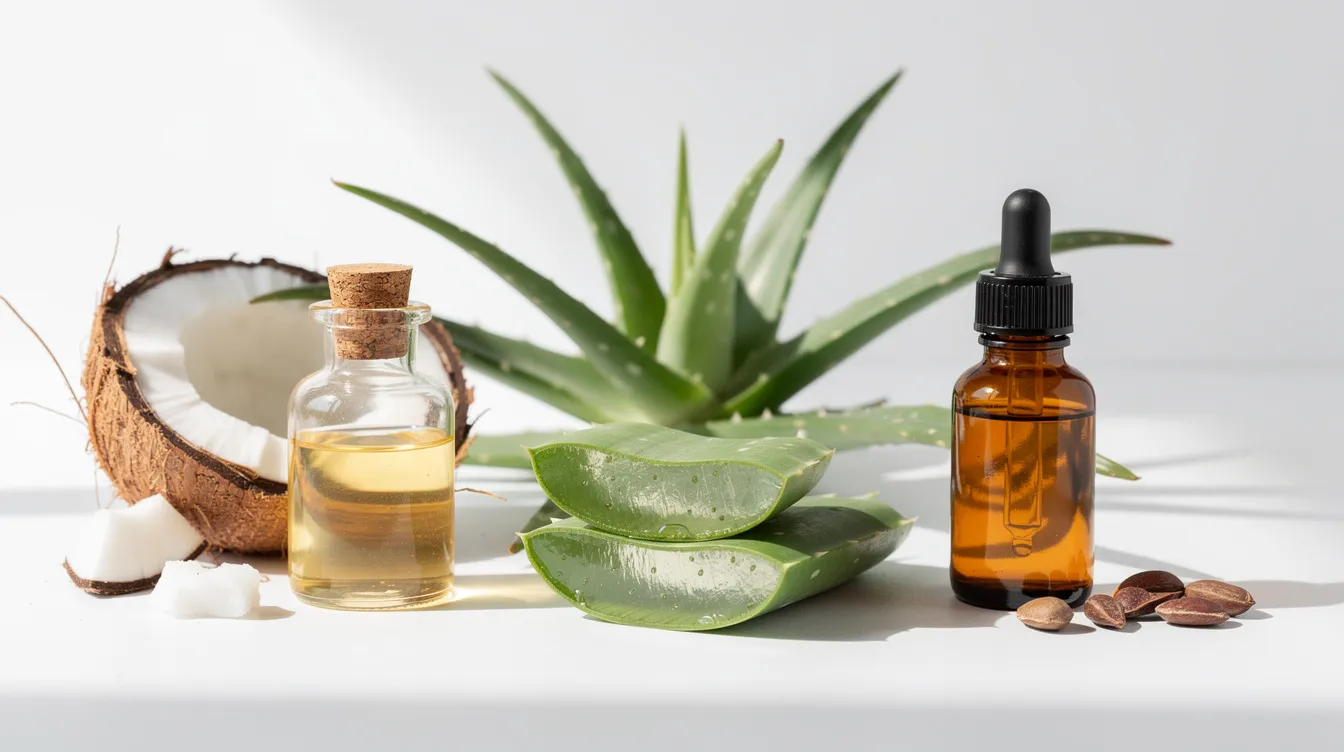
Natural ingredients like aloe vera, coconut oil, and vitamin E oil are commonly used in locking gels to nourish and moisturize hair, promoting overall hair health. Heavy waxes and drying alcohols should be avoided as they can cause buildup or make twists feel hard and brittle.
Aloe Vera and Hydrating Bases

Aloe vera gel or juice often forms a hydrating base that soothes the scalp and adds slip for easier twisting. Many formulas contain humectants like aloe vera or shea butter to seal in moisture, preventing the hair from becoming brittle while styled.
Aloe-based gels feel lighter than thick waxes, making them ideal for people who retwist often or have sensitive scalps. Aloe supports frizz control by smoothing the hair cuticle without leaving a greasy film—research shows it outperforms glycerin alone by 25% in humidity resistance.
Coconut Oil, Castor Oil, and Nourishing Oils
Coconut oil helps reduce protein loss from hair strands due to its 48% lauric acid content, adding softness and shine to finished twists. It penetrates the hair shaft effectively, reducing protein loss by 20-30% under stress.
Castor oil is thicker and is often used in lock gels to support a firmer hold, seal in moisture, and reduce breakage at the roots. Studies show 15% tensile strength gains in treated fibers.
A balanced oil blend works across many hair types, from looser curls to tight coils, without weighing hair down. Light use of these oils within a gel differs from saturating hair with pure oil, which can cause slippage and buildup.
Hold-Enhancing Polymers and Natural Gums
Gentle hold agents such as plant-derived gums or cosmetic polymers are what actually keep twists in place once dry. The goal is firm hold that resists humidity and daily movement while avoiding a helmet-like feel.
Ingredients like glycerin and natural extracts, such as pineapple and guava, are often included in locking gels to enhance moisture retention and provide a healthy shine. High-quality hold ingredients dry clear, helping prevent visible flakes on dark hair.
Water-based systems make it easier to rinse out old product before the next retwist, supporting healthy scalp care. This rinseability—around 80% product removal—far surpasses anhydrous systems that retain significant residue.
Choosing the Right Locking Gel for Your Hair Type
Not all hair types respond the same way to the same locking gel. Hair diameter, porosity, and shrinkage rates all influence which formula will work best.
Choose between “firm” or “light/flexible” gels for different styling needs, with recommendations for alcohol-free and paraben-free formulas that include nourishing ingredients. Choosing gels specifically labeled as “no flaking” or “no residue” can help maintain a clean look without product buildup.
The scent of hair gels can significantly enhance the styling experience, with many users preferring pleasant fragrances over chemical smells. Some locking gels are available in multiple fragrances such as Passion Fruit, Mango Papaya, Lemongrass, Peppermint, and Coconut, catering to diverse scent preferences. Fragrance sensitivity can be a concern for some users, making it important to consider the scent before purchase. For those with sensitive scalps or a preference for a clean routine, fragrance-free locking gels offer a gentle, non-irritating option without added scents.
Scalp testing remains important—patch test 24-48 hours to avoid sensitization reactions that affect 10-15% of users with new products, especially when styling children’s hair with gentle braiding gel for kids.
Fine and Medium-Texture Hair
Fine hair often works best with lighter, aloe vera-based gels that won’t weigh twists down. Loc gels that provide a firm hold should also avoid causing flakiness, which is a common issue with many styling products.
Use small amounts and focus product at the roots and edges to avoid a coated feeling on the lengths. Flexible hold is important so twists don’t look stringy or stiff on looser curl patterns.
Minimal residue and easy rinse-out are key selection criteria for these hair types. A pea-sized amount per section typically delivers 7-10 day holds without heaviness.
Thick, Coarse, and Coily Hair Types
Highly textured and coily hair types typically require more hold and moisture to keep twists defined between wash days. These textures often exhibit 75% shrinkage, requiring firm hold levels to maintain style, and benefit from specialized care for coily hair types.
Gels combining firm hold agents with nourishing oils like coconut oil and castor oil provide durability and softness. These hair types often tolerate richer formulas without appearing like grease, as long as products are applied evenly, making them ideal candidates for versatile braid and loc gels.
Focus on long lasting control, frizz resistance, and protection against dryness at the ends of twists.
How to Apply Locking Gel for Twists Step by Step
Technique greatly influences how long twists last and how neat they appear. Proper application can improve product performance by up to 50%.
Start on clean, detangled, slightly damp hair for best absorption and frizz control. Work in small, consistent sections, smoothing a small amount of gel from root to tip before twisting. Full drying is vital for maximum hold and reducing frizz.
Preparation: Cleanse, Condition, and Section
Shampooing to remove old buildup helps the new locking gel adhere properly to the hair shaft. Locking gels that are free from harsh chemicals, such as sulfates and alcohol, are recommended to avoid buildup and maintain hair hydration.
Use a lightweight conditioner and rinse thoroughly so the gel doesn’t have to fight with heavy residues, pairing your routine with natural, customizable hair care products when needed. Gently detangle and part hair into even sections, clipping or banding each for easier twisting.
Working on slightly damp hair (about 5-10% moisture) improves slip and reduces product waste compared with soaking wet strands.
Applying the Gel and Forming Twists
Take a small subsection, apply a pea- to dime-sized amount of lock gel, and smooth it down the strand with fingers. For best results, work systematically through each section.
Twisting methods include two-strand twists for length retention, comb twists for precision, and palm roll techniques for roots during loc maintenance. Each technique serves different styling needs.
Using too much product leads to visible buildup along the twist—thin, even layers are best. Focus extra gel at the roots and ends where frizz and unraveling usually start first.
Drying, Setting, and Daily Maintenance
Allow twists to fully dry before separating or styling. You can air dry (4-6 hours) or use a hooded dryer (30-45 minutes at low heat) for 90% hold achievement.
Sleeping with a satin bonnet or on a satin pillowcase reduces friction and preserves hold—this single habit can cut friction damage by 50%. Light misting with water or aloe-based spray between wash days refreshes without adding buildup.
Retwisting should focus on new growth and edges, avoiding over-manipulation of the same sections that can cause breakage.

Common Mistakes with Locking Gel (and How to Avoid Them)
Many issues like flaking, stiffness, or buildup come from common application errors rather than product failure.
|
Mistake |
Consequence |
Solution |
|---|---|---|
|
Using too much product |
White residue, visible buildup |
Measure pea-to-dime amounts |
|
Incomplete drying |
Frizz returns, flaking |
Dry 100% before styling |
|
Layering heavy products |
Scalp occlusion, dull twists |
Use one primary gel |
|
Twisting too tightly |
Breakage, sore scalp |
Maintain comfortable tension |
|
Skipping clarifying wash |
Product accumulation |
Clarify biweekly to monthly |
Insufficient drying time causes 70% of flaking cases. Over-twisting or twisting too tight creates 20% breakage risk and can lead to scalp discomfort.
The jar or packaging should indicate whether formulas are water-based and flake-resistant—these details help you avoid common pitfalls.
How to Make Your Twists Last Longer with Lock Gel
Small adjustments in routine can noticeably extend the lifespan of twist styles from one week to two or more.
Nighttime protection practices make the biggest difference. Wearing a satin bonnet or scarf preserves 80% of hold overnight. For longer twists, gently banding sections prevents tangling during sleep.
Use a light oil mist or aloe vera-based refresher spray on the scalp and lengths instead of reapplying heavy gel daily. This keeps twists looking fresh without creating thick layers of product.
Focus any mid-week touch-ups on edges, parts, and visible sections rather than manipulating the entire head. Nourish the scalp with lightweight oils or targeted hair growth treatments to maintain health without disrupting the style.
Spacing out major retwists protects hair health—discover the rhythm that works for your growth rate while keeping a manageable, groomed appearance.
FAQs
Can I use regular hair gel instead of locking gel for twists?
While regular hair gel can give temporary hold, it often contains drying alcohols and stiff polymers that may cause flaking or crunchiness on textured hair. Locking gels are formulated specifically for curls, coils, and locs, prioritizing moisture, flexible hold, and easier rinse-out. Those with coily or highly porous natural hair will usually see better, long lasting twist results with a dedicated loc gel that won’t create the same dreads about stiffness or residue.
How often should I reapply locking gel to my twists?
Most people do not need to reapply gel to the full length of their twists between wash days. Decrease quantity by reapplying small amounts only to new growth, edges, and any twists that have loosened significantly. Frequent full-head applications without proper cleansing lead to buildup and dull-looking twists. Take account of your specific styling needs when determining frequency.
Will locking gel cause buildup or flakes on my locs or twists?
Buildup is usually linked to using too much product, combining many heavy products, or not washing thoroughly between retwists. Water-based, aloe vera-rich gels with moderate oils are less likely to flake when used sparingly and allowed to dry fully. Regular cleansing and occasional clarifying keeps the scalp and lengths free from residue—many users notice excellent hold without sacrificing scalp health.
Is lock gel suitable for starter locs as well as twists?
Many gentle, residue-conscious locking gels work for both starter locs and two-strand twists. Choose lightweight formulas for early locking stages so hair can mesh properly without waxy buildup interfering with the natural locking process, opting for firm-hold lock and twist gels that stay residue-conscious. Apply a modest amount only at the roots and along areas being palm-rolled or comb-twisted. This approach also works well for dreads and dreadlocks in formation.
Which hair types benefit most from firm hold locking gels?
Thicker, coarser, and very coily hair types typically benefit most from tight hold or strong hold lock gels, especially in humid climates where frizz control becomes challenging. People with looser curls or fine hair may prefer medium hold to avoid stiffness or a heavy feel. Experiment with a small pack or travel-size jar first to see how a specific formula behaves on your individual texture. Products containing tea tree oil or argan oil can add extra scalp benefits while providing the control you need.


