


Hair Gel for Braids: Extreme Hold, Moisture & Frizz Control Guide (2026)
Finding the right hair gel for braids can mean the difference between a style that lasts six weeks and one that frizzes out in six days. This topic matters because protective styles like braids are not only a popular choice for their versatility and low maintenance, but also for their ability to protect natural hair from daily manipulation and environmental stressors. According to hair care experts, improper product selection can lead to scalp irritation, premature frizz, and even breakage, undermining the protective benefits of braiding. A quality gel helps control frizz by keeping small hairs and flyaways tucked into the braid for a polished look. Choosing a gel with a firm yet flexible hold is important to avoid breakage or scalp tension.
Whether you’re installing box braids, cornrows, or locs twists, the gel you choose directly affects how neat your parts look, how healthy your scalp stays, and how long your style holds up.
This guide breaks down everything you need to know about braiding gel in 2026—from ingredient lists to application techniques to aftercare routines that actually work.
Key Takeaways
-
Modern hair gel for braids delivers extreme hold, high shine, and frizz control while keeping natural hair moisturized and flexible for styles lasting 2–6 weeks or longer.
-
The best braiding gel formulas are typically alcohol-free, non-flaking, and enriched with ingredients like castor oil, honey extract, or plant botanicals that protect both scalp and strands.
-
Top-rated gels for braids should provide a strong hold without damage and are designed to be non-flaking, which helps maintain a clean and polished look without residue buildup on the scalp.
-
Different gels serve different purposes: extreme hold formulas work best for box braids and cornrows, softer moisturizing gels suit kids or sensitive scalps, and edge control products handle sleek hairlines.
-
Correct application technique—clean, stretched hair, small sections, thin layers of gel—matters more than product quantity for achieving neat, long lasting braids.
-
Before buying any braiding gel online in 2026, check the price, size in ounces, user reviews, and full ingredient list to avoid irritants and ensure optimal results.
What Is Hair Gel for Braids?
Hair gel for braids is a specialized styling gel formulated specifically for protective styles like braids, twists, and locs. Unlike generic hair gel designed for quick daily styling, braid gel is built for longevity—helping your style stay intact for weeks without flaking, residue, or scalp irritation.
Braiding gels are specifically formulated to provide a strong hold for various styles such as cornrows, twists, and locks, ensuring that the hairstyle remains intact throughout the day. They differ from regular gels by offering a strong hold, ensuring that styles like braids and twists remain intact throughout the day.
The core benefits of a quality braiding gel include a firmer grip on strands for cleaner parts, frizz reduction that lasts throughout the life of your style, and added shine for a polished, finished look. When you’re working with curly or kinky hair, these gels provide the extra firm hold needed to keep even the most textured hair types smooth and controlled.
What separates braid gel from regular strong hold styling products? Three key differences:
-
Non-flaking formulas that won’t leave white cast or residue after weeks of wear
-
Conditioning agents that maintain moisture and strand flexibility
-
Scalp-friendly ingredients that prevent itching and dryness during extended styling periods
To make this tangible: an extreme hold braid gel works great for waist-length box braids intended to last 3–6 weeks, gripping thick coils from root to mid-shaft. A softer, moisturizing formula suits kids’ cornrows that need to come out in 1–2 weeks without causing breakage. The three pillars of any quality braid gel remain the same—hold for structure, moisture for health, and frizz control for aesthetics.
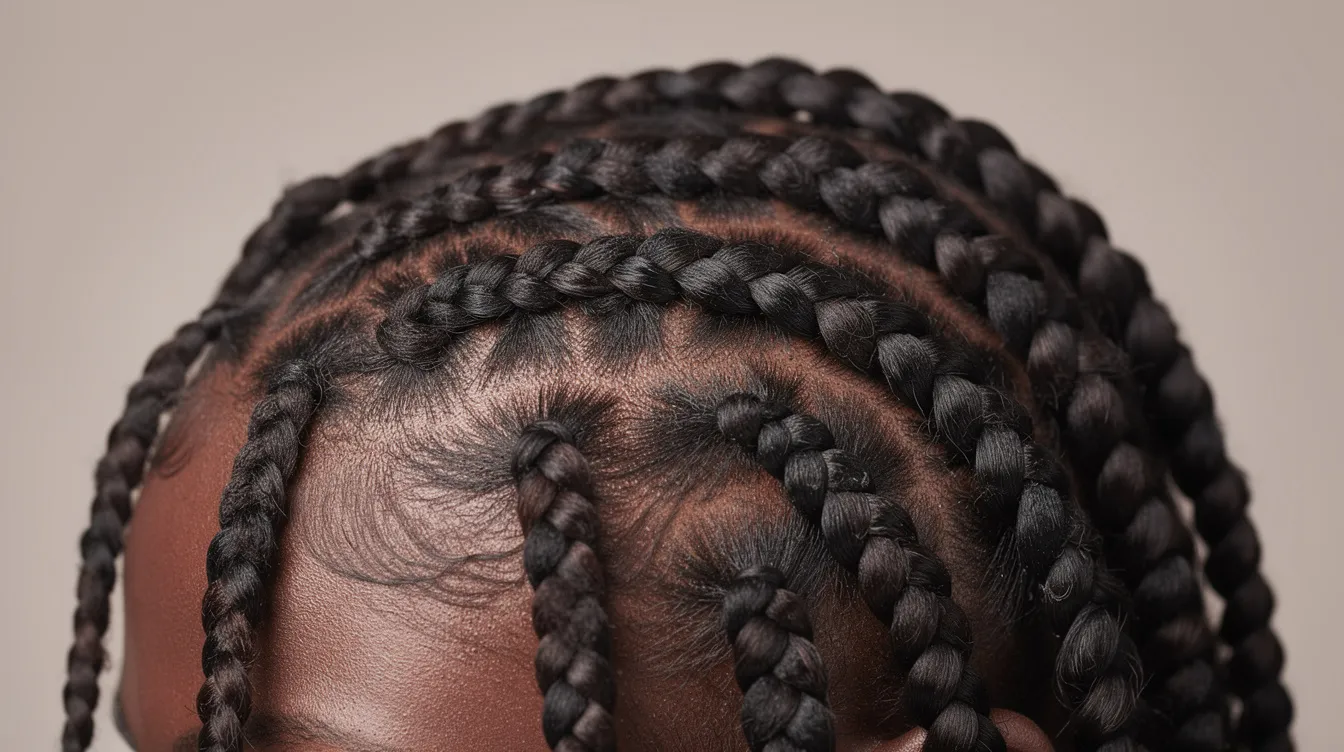
Types of Hair Gel for Braids
Not all braid gels perform the same job. Choosing the right category directly affects how long your style lasts and how your hair feels during wear.
Extreme Hold Braid Gels
These formulas deliver maximum grip for demanding styles. If you’re installing box braids, stitch braids, knotless braids, or tight cornrows that need to hold for 3–6 weeks, extreme hold is your category. Products in this range excel at controlling kinky hair and keeping parts crisp on highly textured hair types. They’re designed to be applied to dry hair for the strongest results without greasiness.
Moisturizing / Conditioning Braid Gels
For 4C textures, children’s styles, or scalps prone to dryness and itching, conditioning gels prioritize hydration alongside hold. Parents often reach for a gentle braiding gel for kids’ hair. These formulas offer slip that makes braiding easier while preventing breakage. You’ll use less product—often just a dime-sized amount per section—and get a softer, more flexible finish. They work particularly well for retwisting roots or maintaining styles on damp hair.
Edge Control Gels for Braids
Edge gel targets hairlines, baby hairs, and nape areas specifically. These concentrated formulas smooth edges flat and are typically applied after braiding is complete, then set with a satin scarf for that sleek, day long finish. Many edge control products contain biotin or other nutrients to support thickening in thinning areas—a major concern for those who style hair frequently.
Specialty Categories
Since 2020, the market has expanded to include vegan braid gels, fragrance-free options for sensitive users, and kid-friendly lightweight formulas.
Key Ingredients to Look For in Braiding Gels
Reading the ingredient list becomes critical when you’re wearing braids for weeks at a time. A complete breakdown of braiding gel ingredients helps you understand whether your scalp stays healthy or starts itching by day five.
Moisturizing Ingredients
Look for these hydrators that support both scalp and strand health:
|
Ingredient |
Function |
|---|---|
|
Glycerin |
Humectant that draws moisture into hair |
|
Castor oil |
Emollient that softens cuticles and prevents breakage |
|
Hydrogenated castor oil |
Provides conditioning without heavy greasiness |
|
Aloe vera |
Soothing hydrator that calms irritated scalps |
|
Honey extract |
Humectant with antimicrobial properties |
|
Coconut oil |
Penetrates the hair shaft to reduce protein loss |
|
Argan oil |
Adds shine and softness without buildup |
Soothing Botanical Extracts
Modern braid gels increasingly feature plant-based ingredients to calm the scalp:
-
Witch hazel (astringent for oil balance)
-
Eucalyptus globulus leaf extract (anti-inflammatory)
-
Melissa officinalis leaf extract (calming properties)
-
Salvia officinalis/sage (antiseptic benefits)
-
Houttuynia cordata extract (soothing)
-
Various flower extract and leaf extract combinations
What to Avoid
Stay away from formulas heavy in benzyl alcohol or SD alcohol, which dehydrate follicles. Synthetic fragrance listed near the top of ingredients often triggers allergic reactions. Heavy waxes and petrolatum suffocate roots and create stubborn buildup that’s difficult to wash out.
Check labels for “alcohol-free,” “paraben-free,” and “no petrolatum” claims. Products listing natural ingredients prominently—like glutamic acid and aspatic acid from plant sources—tend to perform better for extended wear.
How to Use Hair Gel for Braids Step by Step
Proper technique saves both time and product while delivering neater, longer-lasting results. Here’s the professional approach to using braid gel effectively.
Prep Your Hair
Before touching any gel, your hair needs proper preparation:
-
Wash with a clarifying or gentle shampoo to remove old product
-
Deep condition to restore moisture
-
Detangle thoroughly with a wide-tooth comb or brush
-
Stretch by blow-drying on low heat or using the banding method
Stretched, clean hair allows gel to grip effectively and creates cleaner sections. Skipping this step is where most DIY braiders go wrong.
Section Hair Carefully
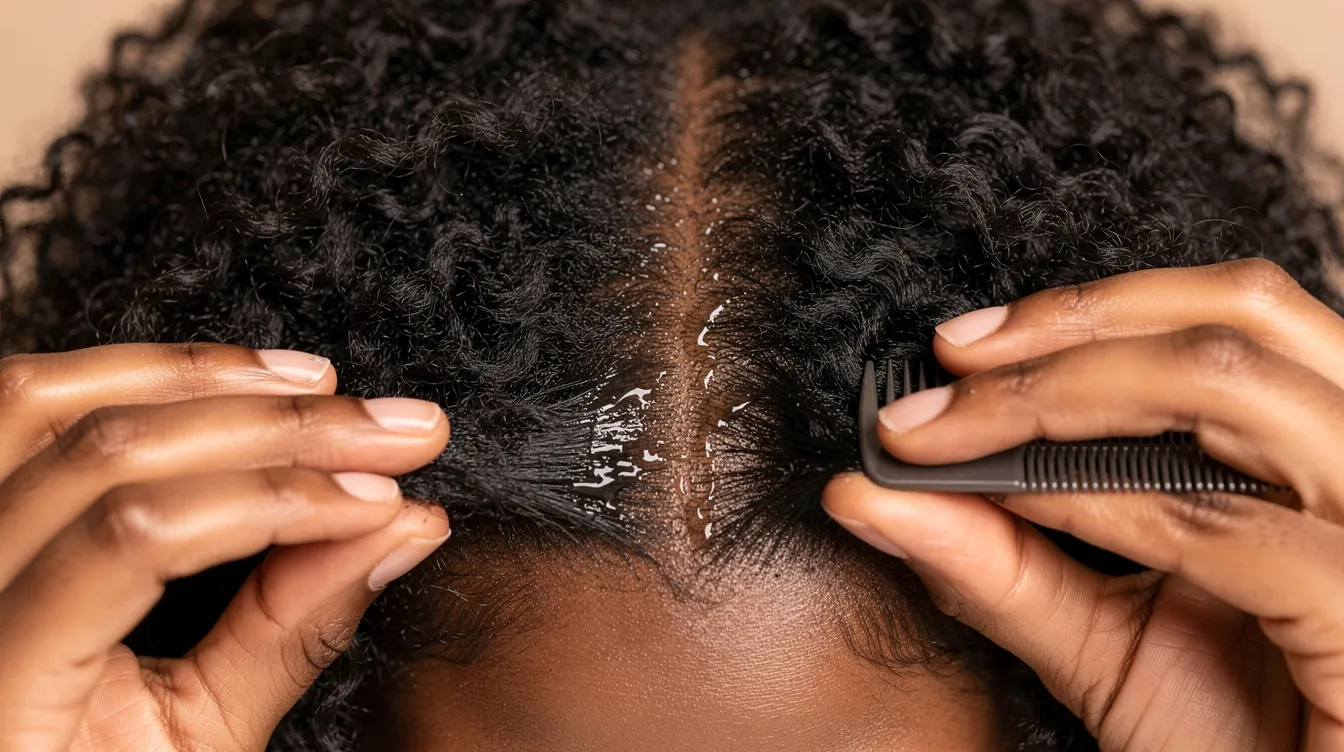
Part your braiding hair into clean, straight lines. Messy parts mean messy braids, regardless of how good your gel is. Use a rat-tail comb for precision.
Apply Gel Strategically
This is where less truly is more. Apply a thin layer of gel:
-
Start at the roots of each section
-
Work product down to mid-shaft only
-
Use your fingertips for even distribution
-
Add more only if strands aren’t laying smooth
Professionals emphasize that over-application causes stiffness and residue—the opposite of what you want for perfect braids. A small amount of a good product outperforms heavy application of any formula.
Finishing Touches
After braiding is complete:
-
Apply a light foam or setting mousse to control flyaways
-
Tie hair with a satin scarf for 15–30 minutes to set the style
-
Allow everything to air dry completely—heat can compromise hold
This process creates that clean, professional finish with great hold and shine that lasts.
Hair Gel for Braids vs. Mousse, Creams, and Edge Control
Understanding when to use each product type prevents wasted money and disappointing results.
Braid Gel
Braiding gel provides the strongest, longest hold and works best for base control and part definition on natural or highly textured hair. It’s your primary product during installation, gripping strands for 24+ hours even after manipulation. Professional braiders note that gels outperform mousses by 2–3x in hold duration on thick curls.
Styling Mousse
Mousse adds light hold and volume but serves a different purpose. Use it after braiding to set the style and reduce flyaways, especially if you’re also following broader tips to prevent greasy hair. On straight hair or finer textures where gel might be too heavy, mousse can work as a lighter alternative.
Styling Creams and Butters
These products excel at moisture and curl definition but lack the tensile strength for neat, extended-wear braids. They’re too soft alone for styles you want to keep braid neat for weeks. Many braiders layer a cream underneath gel for extra conditioning.
Edge Control
Think of edge gel as a concentrated pomade specifically for hairlines and baby hairs. Many stylists also use a dedicated braid & loc gel for braids and locs alongside edge products. It’s applied on top of braid gel for smoothing edges into polished finishes. Many edge control products contain biotin for edge thickening—a benefit you won’t find in standard braid gels.
The bottom line: use braid gel as your foundation, edge control for perimeter refinement, and mousse for final setting. Creams work best as pre-styling moisturizers.
How to Choose the Best Hair Gel for Your Braids
The best braiding gel depends entirely on your specific situation. Understanding how to choose the best braiding gel makes it easier to narrow down your options.
Consider Your Hair Type
|
Hair Texture |
Recommended Hold Level |
|---|---|
|
Fine, 3C curly |
Light to medium hold |
|
Medium, 3C-4A |
Medium hold |
|
Coarse, 4B-4C |
Extreme hold |
Coarse, kinky hair requires stronger formulas to maintain definition, and many people with coily textures benefit from products tailored to coily hair types. Finer textures can use lighter gels without stiffness.
Factor in Scalp Sensitivity
If you experience itching or irritation with protective styles, prioritize gels featuring soothing botanicals. Look for products marketed as “sensitive scalp” or those listing witch hazel, aloe, and eucalyptus prominently.
Check Reviews and Ratings
Online metrics provide quick quality signals. Look for products with thousands of reviews averaging 4.3–4.5+ stars. This indicates consistent performance across different hair types and desired style goals.
Budget and Size Considerations
Common jar sizes range from 5 oz to 64 oz:
-
5–6 oz: Good for trying new products
-
16 oz: Standard size for regular home use
-
32–64 oz: Bulk sizes for frequent braiders or professionals
Larger tubs offer better value per ounce for anyone who styles hair regularly. Products like shine n jam come in multiple sizes to accommodate different needs.
The Pro Approach
Many professional braiders maintain at least two formulas: an extreme hold gel for adult braiding and a softer, nourishing gel for children or clients with sensitive scalps. Others prefer a single conditioning braiding gel. This dual-product strategy ensures optimal results across different situations.
Aftercare: Maintaining Braids When You Use Gel
Even the best gel can’t protect hair if braids aren’t maintained properly over several weeks. Aftercare determines whether your style stays fresh or deteriorates.
Scalp Cleansing
Cleanse your scalp every 7–10 days using a diluted shampoo or dedicated scalp cleanser. This removes sweat, oil, and gel buildup that causes itching and odor. Focus the product directly on your scalp, not the braids themselves.
Scalp Moisture
Apply a light scalp oil or spray between washes to prevent itchiness and tightness. You can choose from a range of natural hair care oils and treatments to support scalp comfort. Effective options include:
-
Jojoba oil (mimics natural sebum)
-
Grapeseed oil (lightweight, absorbs quickly)
-
Tea tree-infused mist (antimicrobial properties)
Apply every 3–4 days or whenever your scalp feels dry.
Night Protection
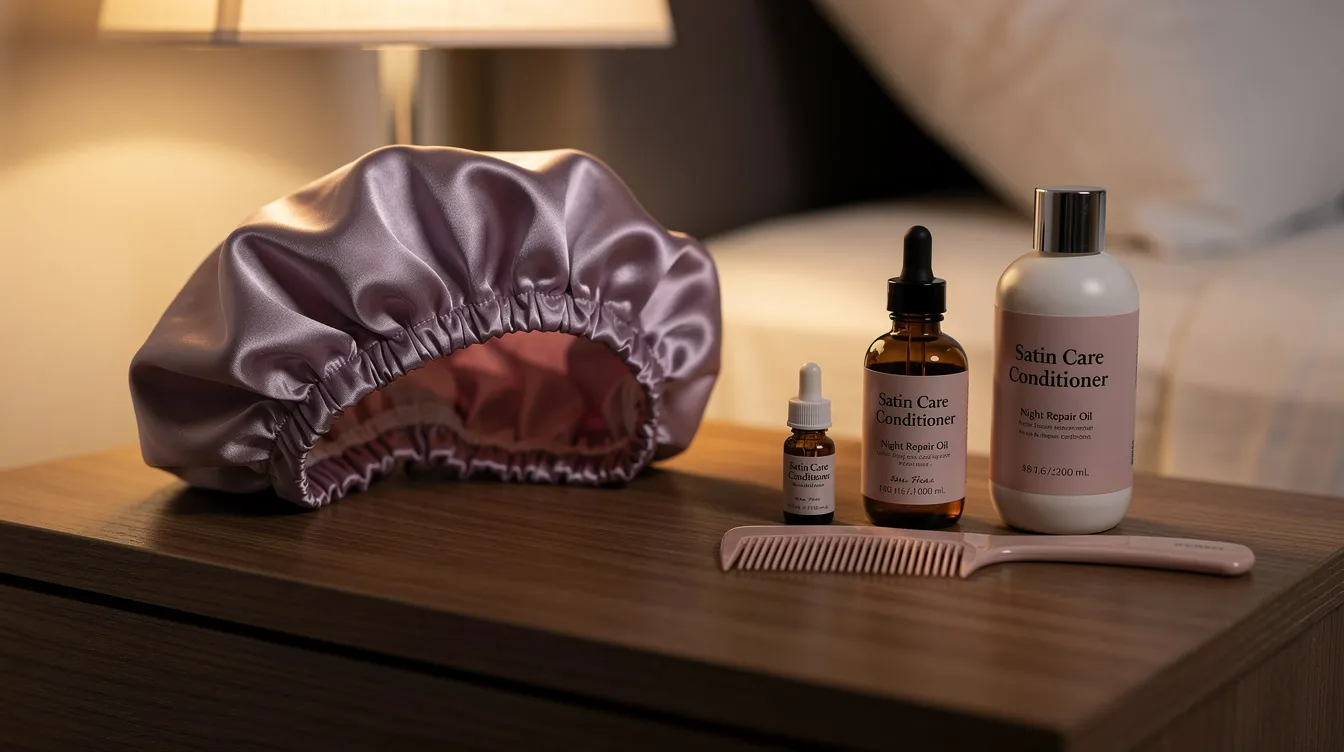
Wrap braids every night with a satin or silk scarf or bonnet. This preserves the gel-set smoothness and reduces frizz from pillow friction. Skipping this step is responsible for most premature style breakdown.
Gentle Takedown
When it’s time to remove your braids:
-
Soften old gel with oil or conditioner
-
Unravel braids slowly from bottom to top
-
Detangle gently with fingers before using a comb
-
Follow with a clarifying wash and deep conditioning treatment
Rushing takedown causes unnecessary breakage and damage, negating the protective benefits of the style entirely.
Frequently Asked Questions
How often should I reapply gel to my braids?
Braid gel is primarily applied during installation and shouldn’t be heavily layered afterward. Excessive reapplication leads to buildup, flakes, and scalp irritation.
For maintenance, apply light touch-ups only on visible areas—edges and the first inch of braids—every few days. Use small amounts and smooth with a soft brush or edge brush. If you notice residue or flakes building up, gently cleanse your scalp before any reapplication.
Can hair gel for braids damage my hair?
Gel itself typically isn’t damaging when you choose alcohol-free formulas and maintain proper cleansing and conditioning routines. The product is a good product when used correctly.
Most damage attributed to braid gel actually comes from overly tight braiding, leaving styles in longer than 6–8 weeks, or failing to wash out old gel and buildup. These practices—not the gel—cause breakage and traction issues, especially if you’re already focused on improving hair growth and strength.
If you have a history of sensitivity, patch-test new gels on a small scalp section before full application.
Is braid gel safe for kids’ hair?
Many braid gels are safe for children when used sparingly and chosen carefully. Look for gentle, kid-friendly, or sensitive-scalp labels. Formulas that smell great without strong synthetic fragrance are usually safer options.
Avoid very stiff, high-alcohol formulas on children. Prioritize moisturizing, lightweight gels that won’t dry out young scalps. Most importantly, keep kids’ braids slightly looser at the hairline to prevent tension and traction alopecia—regardless of which gel you use.
Can I use braid gel on locs or twists?
Many braiding gels work well for starter locs, two-strand twists, flat twists, and faux locs. They provide extra hold and frizz control during the early locking stages.
Use only a thin layer when working with locs to minimize buildup inside the loc structure over time. This lock gel approach works great for maintaining neat, defined twists without heaviness.
For mature locs, some people prefer very lightweight gels or aloe-based products to keep their locks flexible and clean. Heavy formulas can accumulate and become difficult to remove.
What’s the shelf life of hair gel for braids?
Most unopened braid gels last 24–36 months from manufacturing when stored at room temperature away from direct sunlight. Heat and light exposure accelerate degradation.
Once opened, gels are typically best used within 12–18 months, or as indicated by the “period after opening” symbol on packaging. This symbol shows a jar icon with a number indicating months of safe use after opening.
Discard any gel that changes color, smell, or texture, or shows signs of mold or separation. Using expired hair products risks irritation and ineffective styling.
What’s the difference between braid gel and regular styling gel?
Regular styling gel is designed for daily styling on loose hair—it provides hold for a few hours to a full day. Braid gel is formulated for long lasting hold over weeks, with added conditioning agents to prevent dryness during extended wear. Standard gels often contain alcohols that dry out braids and cause flakes, while quality braid gels avoid these irritants.
Does braid gel work on straight hair?
While braid gel is formulated for textured hair, it can work on straight hair for tight braided styles. However, you’ll typically need less product since straight hair doesn’t require as much grip. The formula might feel heavier on finer textures, so start with minimal amounts and adjust.
Why does my gel leave flakes in my braids?
Flakes usually result from one of three issues: applying too much product, layering gel over old product without cleansing, or using a formula that doesn’t agree with your hair. Some gels also flake when they interact with other hair products. Switch to a different brand, apply thinner layers, and always start with clean hair.
Can I use braid gel on freshly relaxed or chemically treated hair?
Yes, but proceed with extra caution. Chemically treated hair is more vulnerable, so choose alcohol-free, moisturizing formulas with natural ingredients. Avoid any gel that causes tingling or burning sensations on your scalp. Wait at least one week after chemical treatments before braiding to prevent irritation.
Getting the right braid gel comes down to knowing your texture, reading labels carefully, and applying with intention rather than abundance. The formula that works great for one person might not suit another—and that’s why understanding ingredients and types matters more than brand loyalty.
Start with a small amount, prioritize clean formulations, and maintain your style properly. Your braids—and your scalp—will reward you with weeks of healthy, polished results.


