


What Does Aftershave Do? Benefits, Types, and How to Choose the Best Aftershave
Every time you drag a blade across your face, you're doing more than removing hair. You're removing some natural oils, creating friction against the skin, and leaving freshly shaved areas more exposed. Aftershave exists to deal with exactly that damage-and understanding what it actually does can change the way your skin looks and feels after every shave.
Key Takeaways
-
The main purpose of aftershave is to refresh and support post-shave skin—not just provide fragrance.
-
Aftershave can help skin feel more comfortable after shaving, especially when the formula matches your skin type and preferences.
-
Modern aftershave formulas come in a variety of formats, including splashes, balms, and gels, allowing users to choose the option that best suits their routine.
-
Skipping aftershave won't cause serious harm, but some people may notice increased dryness, tightness, or post-shave discomfort.
-
Choosing the right formula (balm, splash, or gel) matters far more than grabbing any random bottle off the shelf.
What Does Aftershave Actually Do?
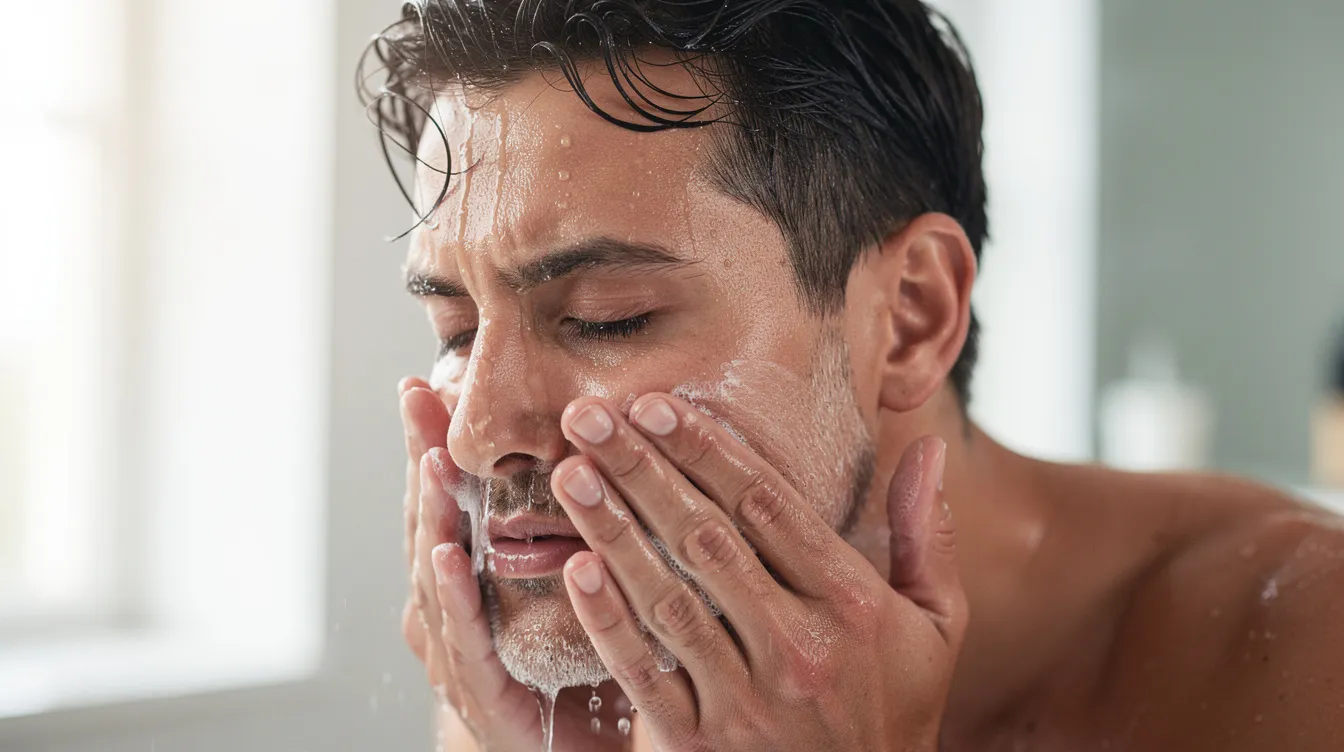
Aftershave is a skincare product designed to refresh and support skin after shaving.
When you shave, the razor creates micro-abrasions across the skin's surface, removes some dead skin cells, and strips away natural oils that help support the skin barrier. Aftershave is designed to leave skin feeling refreshed and comfortable after shaving.
-
Refreshes post-shave skin. Many aftershaves leave skin feeling clean, cool, and refreshed immediately after shaving.
-
Provides post-shave comfort. Depending on the formula, ingredients such as witch hazel, tea tree, moisturizers, or botanical extracts may help leave skin feeling more comfortable after shaving.
-
Supports moisture balance. Some aftershave formulas contain humectants, emollients, or conditioning ingredients that help reduce feelings of dryness and tightness after shaving.
-
Leaves skin feeling toned and refreshed. Many aftershaves create a clean, fresh sensation that helps complete a grooming routine.
-
Fragrance is secondary. Aftershave can provide a pleasant fragrance, and many aftershaves deliver a subtle, fresh scent without being overpowering. But the core purpose of aftershave is post-shave comfort and refreshment—not replacing cologne.
Do You Need to Use Aftershave?
Using aftershave isn't essential for everyone, but it's a step that pays off for most people who shave regularly.
-
When it matters most. If you shave daily, have coarse hair, deal with frequent razor burn, or notice post shave irritation on the neck or jawline, aftershave makes a clear difference. People who frequently experience post-shave discomfort may appreciate the added comfort that an aftershave provides.
-
Sensitive skin gains the most. Those with sensitive skin often experience irritation like stinging, red patches, and lingering discomfort. A well-matched balm may help skin feel more comfortable after shaving.
-
Preventing bumps and ingrown hairs. The right aftershave can be a useful addition to a comfortable post-shave routine.
-
When you might skip it. If you rarely experience irritation, use sharp blades, and follow a very gentle shaving routine, a simple moisturizer may be enough for basic post shave care.
-
It's not a magic fix. Aftershave serves as a restorative step in grooming routines, but it can't compensate for dull blades, poor lather, or aggressive multi-pass shaving. Treat it as one part of a complete post shave routine.
What Happens If You Don't Use Aftershave?
Skipping aftershave won't cause a medical emergency, but it changes how your skin feels and heals after shaving.
-
Immediate tightness and redness. Without post shave care, skin often feels tight, raw, and visibly red. Sensitivity lingers longer in the areas where the razor made the most contact.
-
Some people notice more post-shave discomfort. Without a post-shave product, skin may feel drier, tighter, or less comfortable after shaving.
-
Cumulative effects for frequent shavers. Over time, frequent shavers may notice ongoing dryness or irritation if they do not use any form of post-shave care.
-
Partial workarounds exist. Rinsing thoroughly with cold water and using a mild cleanser can offset some downsides, even without a dedicated aftershave product.
-
Test before you dismiss. If you consistently deal with skin irritation after shaving, try a fragrance-free balm for a few weeks. The difference often becomes obvious quickly.
Is Aftershave Bad for Your Skin?
Not all aftershaves are created equal. The difference between traditional and modern aftershave formulations is significant.
-
Formulations vary to suit skin needs. Some aftershaves contain alcohol, which contributes to the traditional brisk feel many users associate with classic aftershave splashes.
-
Fragrance and menthol can irritate sensitive skin. Synthetic fragrances and strong menthol can cause reactions in people who already experience irritation or have reactive skin types. Oxidized fragrance compounds are among the top contact allergens.
-
Gentle formulas support skin health. Aftershaves with moisturizing ingredients and botanical extracts may help support post-shave comfort.
-
Check labels carefully. If you're prone to redness, look at alcohol concentration, added fragrance, and known irritants. Choose a product that suits your skin's sensitivity and hydration needs.
-
The bottom line. Aftershave is beneficial when the formula matches your skin type and sensitivity level. Well-formulated products, including those with alcohol, can effectively support skin health post shave.
Types of Aftershave and Which One to Use
Different formats suit different skin types, climates, and concerns. Here's how they compare.
|
Type |
Texture |
Alcohol Content |
Best For |
|---|---|---|---|
|
Splash |
Thin liquid |
High (40–60%+) |
Oily skin, resilient skin |
|
Balm / Lotion |
Creamy, thick |
None or very low |
Dry skin, sensitive skin |
|
Gel |
Lightweight |
Low to none |
Combination, acne-prone |
|
Natural astringent |
Varies |
None |
Those avoiding alcohol |
-
Alcohol based aftershave splash. Classic splash format with a brisk feel, fast evaporation, and minimal residue. Alcohol-based splashes are often preferred by people who enjoy a traditional aftershave experience.
-
Aftershave balm and aftershave lotion. Balms are often alcohol free and focus on moisturizing sensitive skin. Most formulas are cream or lotion based, rich in emollients, and ideal for dry skin or colder climates where skin needs extra protection.
-
Gel aftershave. Gels are cooling and hydrate without leaving a greasy residue. They absorb quickly and work well for combination skin or warm weather. Aftershave often contains alcohol or witch hazel as astringents, but gels tend to use lighter concentrations along with other ingredients.
-
Natural astringent formulas. Products built around ingredients such as witch hazel, alum, or tea tree oil are often chosen by people looking for alternative post-shave options with a refreshing feel.
-
Match to your concern. If dryness is the problem, reach for a balm. For oiliness, a splash or gel. For frequent razor burn, a soothing aftershave with calming botanicals. Experiment with different formulas to find what feels best for your skin and shaving routine.
Aftershave Balm vs Moisturizer vs Cologne
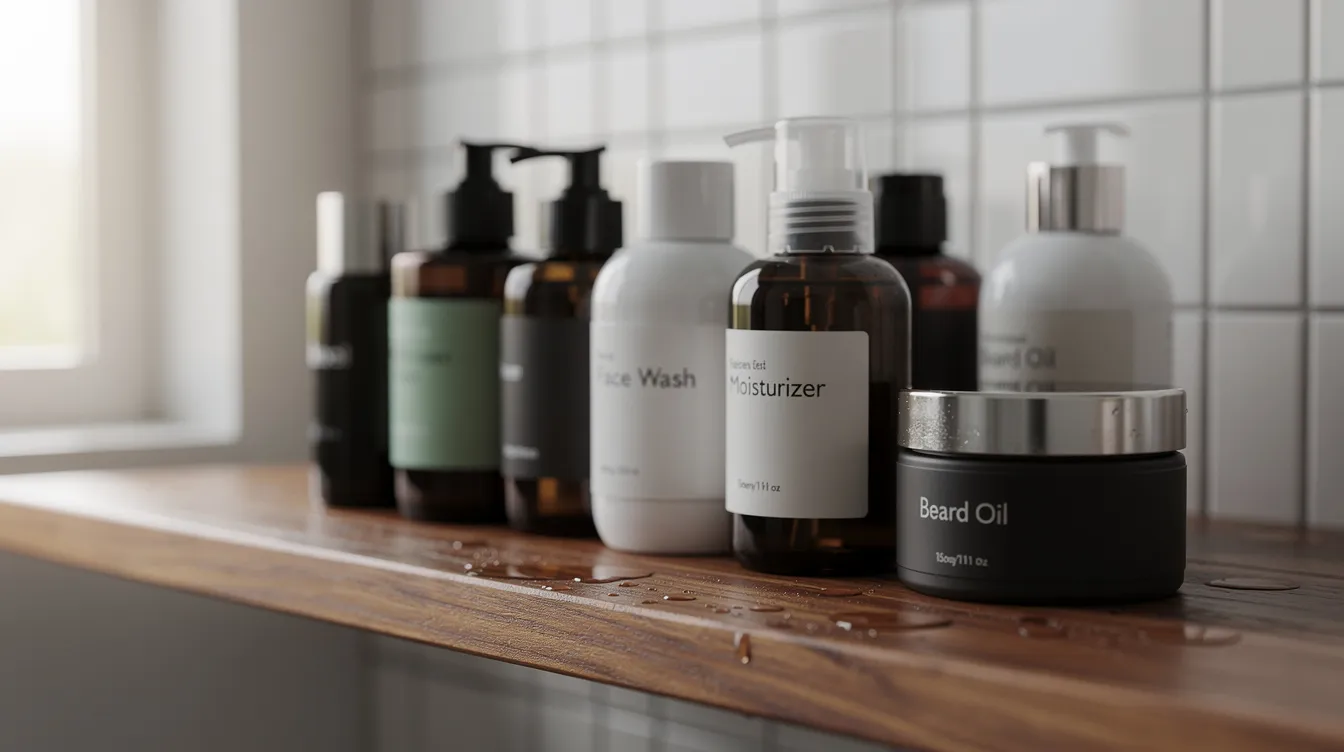
These three products get confused constantly, but they serve different roles in your routine.
-
Aftershave balm. Designed specifically for post shave use, combining light hydration and post-shave comfort. Most aftershave balms include moisturizing agents alongside calming extracts and are often used to support post-shave comfort and hydration.
-
Moisturizer. Moisturizers primarily focus on hydration for all skin types. They're excellent at providing extra moisture and barrier repair but typically do not contain harsh astringents like alcohol or ingredients specifically targeting razor irritation.
-
Cologne. Cologne is mostly fragrance and alcohol with no real skincare function. Applying it on freshly shaved skin can cause stinging and worsen redness. It should never replace aftershave in a grooming routine.
-
Overlap. Some people can replace aftershave with a gentle, fragrance-free moisturizer if they rarely experience irritation. A moisturizing balm can sometimes do double duty on non-shave days.
-
Cologne timing. Treat cologne as a finishing touch applied away from freshly shaved, sensitive areas. Spraying it on the chest or wrists avoids direct contact with compromised skin.
How to Use Aftershave in Your Shaving Routine
Getting the application right takes about 30 seconds and makes the product significantly more effective.
-
Rinse thoroughly. After finishing your shave, rinse with cold water or lukewarm water to remove remaining shaving cream, clipped hairs, and debris. Cool water can leave skin feeling refreshed after shaving.
-
Pat dry, don't rub. Gently pat dry with a clean towel. Rubbing creates additional friction on already stressed skin-don't rub the towel across freshly shaved areas.
-
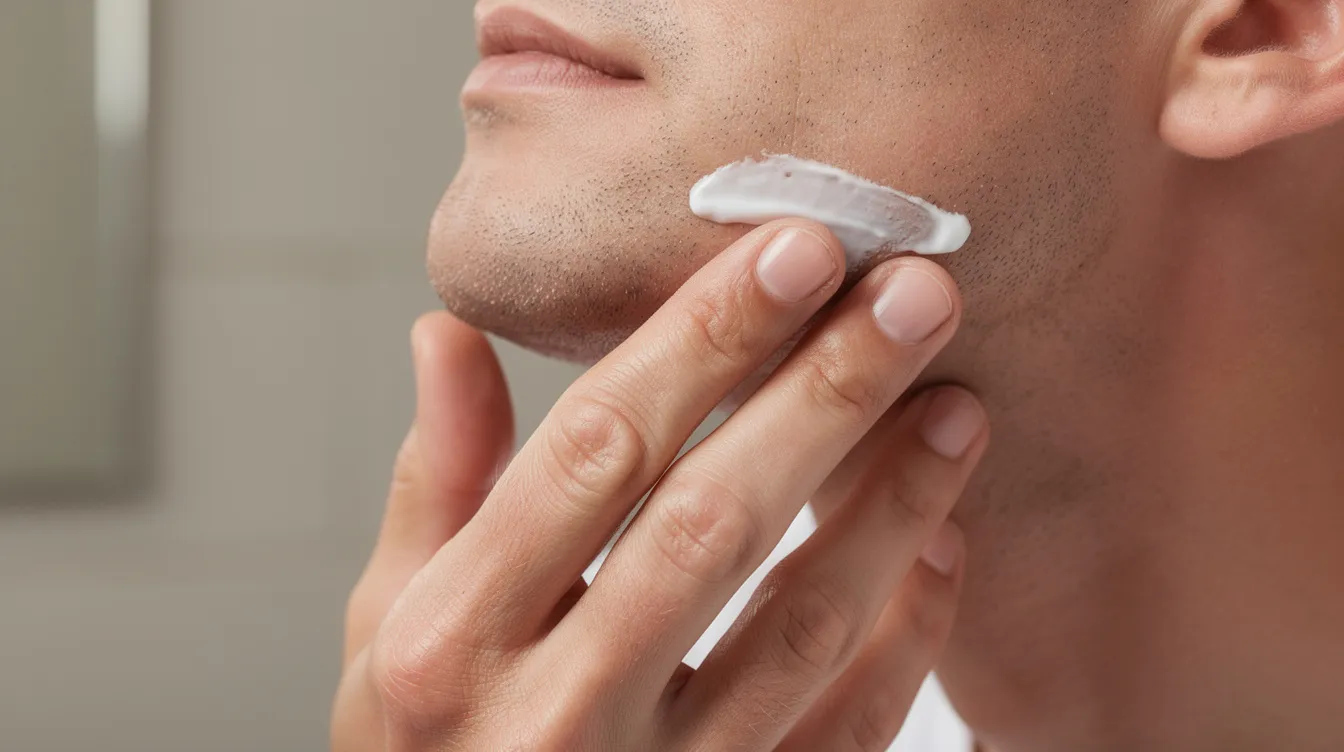
Apply a small amount. When applying aftershave, use a pea-to-nickel-sized amount. Spread it evenly across the face and neck, paying attention to the jawline and neck where most people experience irritation. Aftershave is applied to the face and neck after shaving to cover all shaved areas.
-
Don't over-apply. Too much product can feel greasy or sticky, especially on warm days. A small amount is enough to cover the entire shaved surface.
-
Stay consistent. Use aftershave after every shave for a few weeks to properly evaluate how your skin feels after shaving over time. Making it part of your shaving routine creates cumulative benefits.
Choosing an Aftershave for Sensitive Skin
If you regularly deal with burning, tightness, or redness after shaving, your aftershave formula matters more than almost any other step.
-
Choose a formula that matches your comfort level. Some people prefer alcohol-free balms, while others enjoy the refreshing feel of traditional aftershave splashes. The best choice depends on your skin type and personal preference.
-
Avoid strong fragrances and essential oils. Heavy synthetic fragrance, strong menthol, and harsh essential oils can trigger stinging and redness. Avoid aftershaves loaded with these if your skin reacts easily.
-
Seek gentle ingredients. Ingredients such as oat extract, panthenol, chamomile, allantoin, glycerin, and botanical extracts are commonly used in products designed for post-shave comfort.
-
Patch-test first. Apply a small amount on your jawline or cheek and wait 24 hours before committing to full-face use. Aftershave balms are recommended for dry or sensitive skin, but even balms can contain ingredients that don't agree with everyone.
-
Pair with the right routine. A soothing aftershave works best when combined with a mild, non-foaming cleanser, a lubricating shaving cream, and sharp blades. This combination can help create a more comfortable shaving experience overall.
Can Aftershave Be Part of a Comfortable Shaving Routine?
Aftershave can be a useful part of a post-shave routine, although it is not intended to treat skin conditions.
-
Helps complete the routine. Many people enjoy the clean, refreshed feeling that aftershave provides after shaving.
-
Supports post-shave comfort. Depending on the formula, aftershave may help reduce feelings of dryness or tightness after shaving.
-
Different formulas suit different needs. Splashes, balms, and gels each offer a different post-shave experience.
-
Combine technique with product. Using sharp blades, proper shaving technique, and an appropriate post-shave product can help create a more comfortable shaving experience.
-
Seek professional advice when needed. Persistent skin concerns should be evaluated by a qualified dermatologist.
Summary: The Purpose of Aftershave
The core purpose of aftershave is to refresh and support skin after shaving. It is a functional step in your grooming routine—not just a fragrance product.
-
Key benefits. A refreshed feel, post-shave comfort, and a clean finish after shaving.
-
Type matters more than brand. Choosing the correct format (balm, splash, gel) for your skin type is often more important than the specific brand name.
-
Alcohol can be part of effective formulations. Many traditional aftershaves use alcohol to create the brisk sensation associated with classic splashes.
-
Fix the whole routine. If you regularly experience discomfort, consider evaluating your blades, shaving technique, and overall skincare routine.
-
Treat aftershave as functional grooming. Use it as part of a post-shave routine to help your skin feel clean, refreshed, and comfortable.
FAQs
Can I use aftershave every day?
Daily use is fine for most people as long as the formula is gentle and suits your skin type. If you have very dry or reactive skin, watch for increased tightness or flaking-that's a sign to switch to a richer balm. When irritation increases over time, the cause is usually fragrance or other ingredients, not the daily frequency itself.
Should I use aftershave balm at night or only after shaving?
Aftershave balm is designed for use immediately after shaving but can double as a light nighttime moisturizer on non-shave days. People with oily skin or acne-prone skin may prefer using it only post shave to avoid feeling greasy overnight. Choose an unscented balm if you plan to apply it before bed, as unnecessary fragrance exposure offers no benefit while you sleep.
Is aftershave necessary if I use an electric razor?
Electric razors generally cause fewer micro-cuts but can still irritate the surface of the skin through friction and heat. A lightweight, alcohol free or balanced aftershave or simple soothing moisturizer can reduce friction-related redness after dry or wet electric shaving. If you only experience minimal irritation with an electric razor, aftershave becomes more of an optional personal preference.
Can I make a DIY aftershave at home?
Simple homemade options such as diluted witch hazel may provide a refreshing post-shave feel for some users. Avoid using undiluted essential oils or high alcohol content, as they can cause burns or allergic reactions on freshly shaved skin. Always patch-test any DIY mixture on a small area and discard it immediately if irritation or itching occurs.
How long should I wait after shaving before applying cologne?
Wait at least 20–30 minutes after shaving and aftershave application before spraying cologne near the shaved area. Better yet, apply cologne to areas that were not freshly shaved-such as the chest or wrists-to minimize stinging. This delay allows the skin barrier to begin recovery and reduces the chance of aftershave burn from additional alcohol and fragrance hitting compromised skin.


