


Hair Oil Batana: Growth, Strength & Shine Guide
Key Takeaways
-
Batana hair oil comes from the American oil palm tree (Elaeis oleifera), traditionally produced by Miskito communities in Honduras, and is prized for supporting hair growth, reducing breakage, and boosting natural shine. Batana oil is derived from the nuts of the Elaeis oleifera palm tree, which is native to tropical regions of Latin America.
-
Core benefits include creating a healthier scalp environment, restoring moisture to damaged hair, strengthening strands with essential fatty acids, and improving elasticity across all hair types. Batana oil good for hair health due to its antioxidant and fatty acid content, which promote strength, moisture, shine, and overall hair resilience.
-
For curly and coily hair, use batana as a daily leave-in treatment; for straight and wavy hair, apply as an overnight pre-shampoo mask to avoid greasiness.
-
Key components like oleic acid, linoleic acid, vitamin E, and antioxidants work together to deeply nourish hair follicles and protect against environmental damage.
-
Always perform a patch test before regular use, expect visible results after 6-12 weeks of consistent application, and understand that batana supports healthy hair growth but won’t reverse genetic baldness.
-
While there is anecdotal evidence suggesting batana oil promotes hair growth and prevents hair loss, scientific research specifically on batana oil is limited, and more studies are needed to confirm these claims.
What Is Batana Hair Oil?
Batana oil is a rich, brownish oil extracted from the kernels of the American palm tree, scientifically known as Elaeis oleifera kernel oil. Indigenous Miskito communities in La Moskitia, Honduras have hand-extracted this oil using traditional methods for centuries, primarily to protect hair and skin from sun damage and environmental stress.
When shopping for batana hair oil, you’ll encounter two main types: 100% raw unrefined batana oil and blended formulas where batana serves as the star ingredient combined with other plant oils and actives. Both have their place depending on your hair needs. Common ingredients in batana oil products include Elaeis Oleifera Kernel Oil, Shea Butter, and various herbal extracts, all known for their nourishing properties.
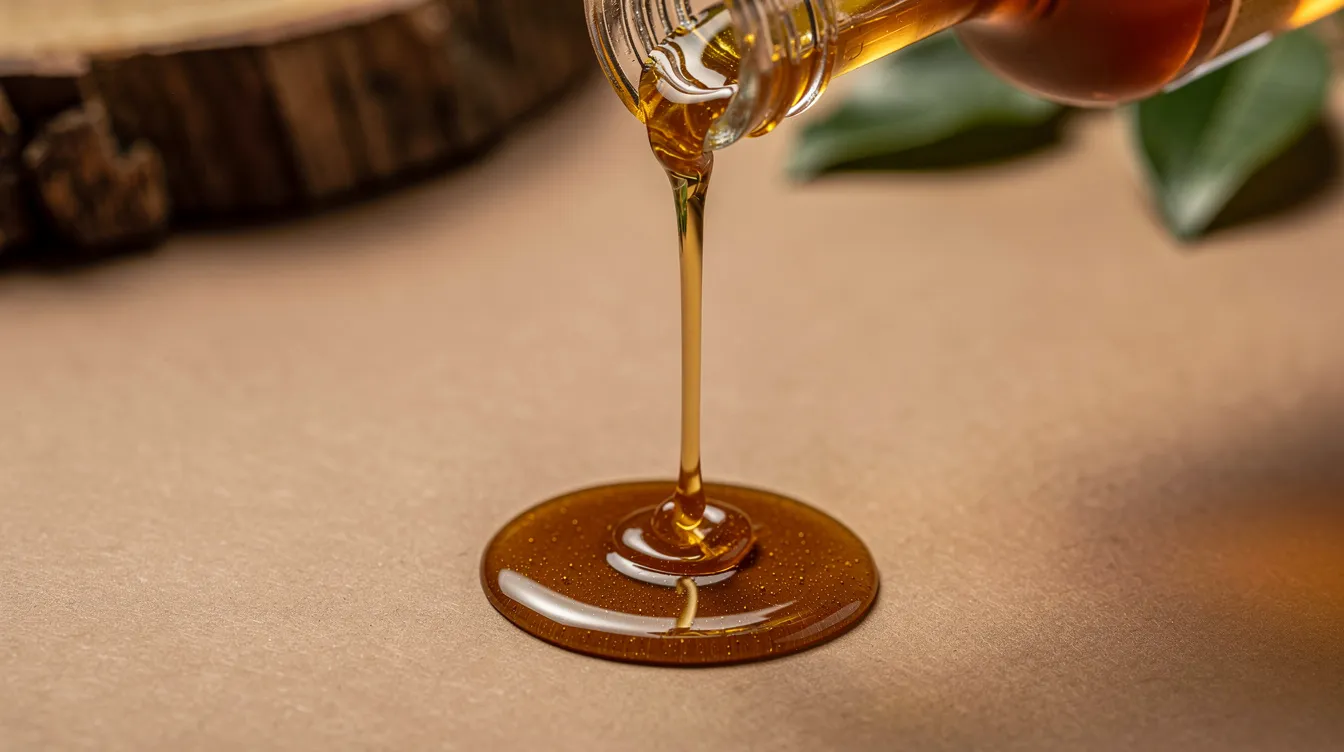
The oil has a distinctive character. At room temperature, pure batana oil appears butter-like and thick. Apply a small amount of warmth from your hands, and it melts into a spreadable consistency. The scent is earthy and nutty—a direct result of the traditional roasting process used to prepare the palm kernels.
Batana’s popularity exploded through social media, with users sharing before-and-after photos claiming impressive results for hair growth and thickness. Its nutrient profile backs up some of this enthusiasm: the oil contains oleic acid (Omega-9), linoleic acid (Omega-6), vitamin E, and antioxidants including carotenoids.
How does batana differ from argan oil or castor oil? It’s heavier, more reparative, and traditionally used as a scalp treatment specifically targeting thinning and breakage rather than just surface conditioning. Batana oil is often used to treat hair and scalp, providing nourishment and protection.
Ingredients & Nutrient Profile of Batana Hair Oil
Understanding what’s inside your batana hair oil helps you choose the right formula for your needs. Here’s what to look for:
Elaeis Oleifera Kernel Oil (Pure Batana)
The core ingredient delivers high concentrations of fatty acids—specifically oleic acid and linoleic acid. These essential fatty acids penetrate the hair shaft to restore moisture and strengthen from within. Vitamin E compounds (tocochromanols) provide antioxidant protection, while natural carotenoids shield against oxidative stress.
Complementary Carrier Oils
Many blended formulas, such as batana oil with turmeric and jojoba, include:
|
Oil |
Function |
|---|---|
|
Sunflower oil |
Lightens texture, adds slip |
|
Argan oil |
Boosts shine, provides nutrients |
|
Castor oil |
Supports strand strength, adds thickness |
|
Soybean oil |
Conditioning, moisture retention |
Barrier-Supporting Lipids
Quality formulas often include ceramides and phytosphingosine. These lipids help rebuild the hair’s cuticle layer, improve elasticity, and reduce porosity-related frizz—particularly beneficial for damaged hair or chemically treated strands.
Scalp-Focused Botanicals
Look for rosemary leaf extract (supports microcirculation and provides antioxidant benefits) and cedarwood (balancing, purifying, with a subtle natural scent). These botanicals complement batana’s scalp-nourishing properties for hair growth concerns.
For sensitive skin or scalp concerns, prioritize formulas free from synthetic fragrance, harsh sulfates, and artificial dyes. Natural ingredients work best for regular use without irritation.
Benefits of Hair Oil Batana for Hair & Scalp
Consistent use of batana oil delivers several measurable benefits for both hair health and scalp comfort.
Supports Healthy Hair Growth
Batana creates a nourished, hydrated scalp environment where hair can thrive and helps boost hair growth by supporting optimal scalp conditions. By minimizing breakage and protecting strands, you’ll notice longer, fuller-looking lengths over time. The oil nourishes hair follicles directly, helping to promote hair growth and promote hair regrowth through improved scalp conditions rather than magical overnight transformation. Oils hydrate the hair shaft and form a barrier that keeps moisture inside, which is crucial for tackling dry or brittle hair.
Strengthens Damaged Hair and Reduces Breakage
The fatty acids and vitamins in batana reinforce the hair’s cuticle layer. Moisturizing oils are best for dry, damaged, or brittle hair. This translates to fewer snapped ends during detangling, styling, or protective styles. Brittle hair becomes more resilient with regular application.
Restores Moisture and Elasticity
For dry hair that snaps under tension, batana oil helps lock in hydration. Oils act as sealants, trapping hydration inside the hair shaft to prevent dryness. The result is strands that feel soft, flexible, and less prone to breaking. Curly and coily textures particularly benefit from this moisture boost, and specialized routines for coily hair types can further enhance definition and hydration.
Adds Natural Shine
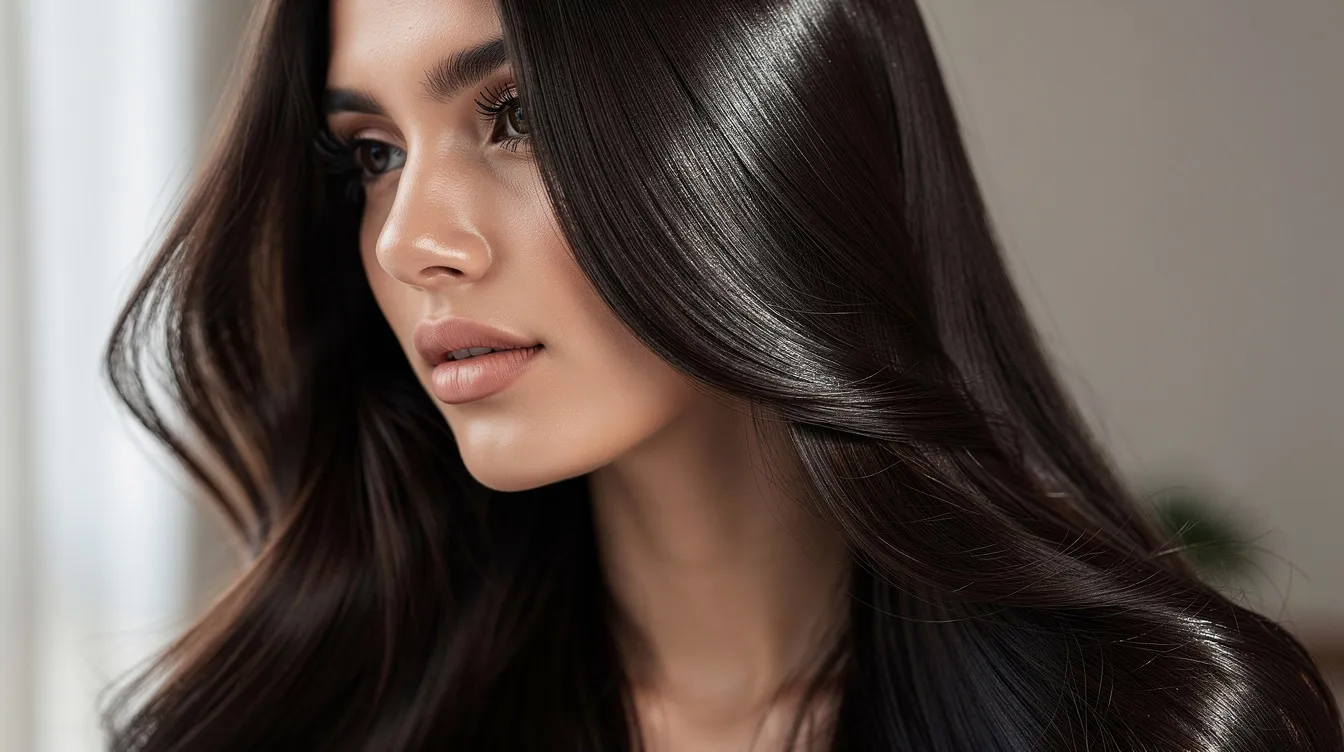
Oil smooths down the hair shaft, increasing light reflection and boosting natural luster. Sealing oils protect the hair and add shine, and oils smooth the cuticle, reducing frizz and adding shine. Unlike silicone-based shine products, batana provides this benefit while simultaneously delivering nourishment to your strands.
Oils create a protective barrier against heat styling tools and UV rays.
Improves Scalp Comfort
Many users report less flakiness and tightness after incorporating batana into their routine. Massaging oil into the scalp can reduce dandruff, soothe itchiness, and stimulate blood flow for growth. The oil conditions dry skin areas on the scalp while the plant-derived antioxidants support a balanced scalp microbiome. Regular application of hair oil can clear follicles, relieve dandruff, and stimulate circulation.
Important Limitations
Be realistic: batana oil supports healthy growth cycles and strengthens hair but is not a proven medical treatment for advanced pattern hair loss. It cannot fully reverse genetic baldness or change gray hair.
How to Use Batana Hair Oil on Different Hair Types
Application technique matters. Here’s how to get best results based on your specific hair type.
For Curly and Coily Hair (Types 3 & 4)
-
Apply 1-2 droppers or a pea-sized scoop directly to your scalp
-
Gently massage the oil into your scalp and hair using circular motions
-
Distribute remaining product along lengths to mid-lengths and ends
-
Leave in as a daily or every-other-day treatment—no rinse needed
-
Works on both damp and dry hair
For Wavy and Straight Hair (Types 1 & 2)
-
Use batana primarily as a pre-shampoo treatment to avoid greasiness
-
Apply to scalp and mid-lengths on dry hair
-
Leave on for at least 2 hours or overnight for deep conditioning
-
Shampoo thoroughly—a formula that gently cleanses will remove excess oil
-
Follow with your regular conditioner
Quick Shine Boost Method
Warm just a few drops between your palms and smooth only over mid-lengths and ends on dry, styled hair. Focus on frizz-prone areas to add shine without weighing hair down.
Frequency Guidelines
|
Goal |
Frequency |
|---|---|
|
Intensive repair |
2-3 times per week |
|
Daily maintenance |
Light application on ends |
|
Results timeline |
4-8 weeks for visible changes |
Practical Tips:
-
Emulsify with water or leave-in conditioner for easier spreading
-
Avoid heavy application at roots on fine hair
-
Adjust amount based on thickness and porosity
Batana Oil & Hair Growth: What the Science Suggests
Let’s balance enthusiasm with realism about batana’s hair growth potential.
Some laboratory studies have tested batana-rich formulas on isolated human hair follicles under controlled conditions for approximately 7 days. These ex vivo tests have shown promising results, with some reporting faster hair shaft elongation—potentially up to 2.3 times faster compared to untreated follicles. This suggests batana may stimulate hair follicles in controlled settings.
However, these are not long-term clinical trials on full human scalps. Real-world results depend heavily on genetics, hormones, overall health, and routine consistency.
Here’s what dermatologists say: batana oil is rich in linoleic acid, which may work against an enzyme called 5-alpha reductase—an enzyme associated with pattern hair loss. According to board-certified dermatologists, “there could be a theoretical improvement from batana oil if the type of hair loss is female or male pattern hair loss,” though this remains theoretical rather than clinically proven.
Large-scale, peer-reviewed trials specifically examining batana oil for hair regrowth are still limited. More research is needed before making definitive claims.
If you’re experiencing significant shedding or sudden thinning, pair batana with professional advice from a dermatologist or trichologist. Batana works best as a supportive cosmetic aid alongside evidence-based treatments when needed.
Clean, Ethical & Sustainable Aspects of Batana Hair Oil
Quality batana products today aim to be gentle on both users and the environment.
Clean Beauty Standards
Look for formulas avoiding:
-
Harsh sulfates
-
Drying alcohols
-
Synthetic dyes
-
Heavy artificial fragrances
These cleaner formulations suit daily use and work well for sensitive scalps without causing buildup or irritation.
Vegan and Cruelty-Free
Many batana-based lines maintain strict standards: no animal testing and no animal-derived ingredients. Check for certifications if this matters to your purchasing decisions.
Sustainable Sourcing
Responsible brands prioritize small-scale harvesting and fair partnerships with local communities in Honduras and Central America. The Miskito people who have traditionally produced batana benefit when brands source ethically and transparently.
Modern brands may also use recyclable bottles, decomposable shipping materials, and energy-conscious manufacturing to reduce environmental impact. Check labels for third-party certifications or clear sourcing statements when choosing your batana hair oil.
How to Choose the Right Batana Hair Oil (And Pair It with Other Products)

Selecting the right product and integrating it into your routine makes all the difference.
Check the Ingredient List
Look for batana (Elaeis oleifera kernel oil) high on the ingredient list—ideally as the first or second component. This ensures you’re getting a meaningful concentration rather than a token amount.
Match Formula to Hair Type
|
Hair Type |
Ideal Formula |
|---|---|
|
Fine or straight hair |
Lighter blends with sunflower or argan oil |
|
Dry, curly, or coily hair |
Richer formulas with castor oil, shea, or cocoa butter |
Build Your Routine
Pair batana oil with a nourishing batana conditioner formulated with turmeric:
-
Gentle, strengthening shampoo
-
Rich conditioner or deep conditioning mask
-
Apply batana as the final step to seal in moisture and add shine
Layering with Stylers
Batana can go under or over gels and butters, including batana-based creams designed for hair and scalp. Start with a small amount to avoid buildup, especially on low-porosity hair. Tocopheryl acetate and other vitamin E forms in quality formulas boost the protective benefits.
Track Your Progress
Monitor changes over 6-12 weeks using photos, length checks, and notes on shedding. This data helps you determine whether your specific batana product and routine deliver results for your hair.

Tips for Best Results with Batana Hair Oil
To unlock the full potential of batana hair oil for hair growth, strength, and shine, consistency and technique are key. Here’s how to get the most out of your hair oil routine:
-
Gently massage a few drops of batana hair oil into your scalp to stimulate hair follicles and promote healthy hair growth. This simple step helps boost circulation and ensures the oil’s nutrients reach the roots where they’re needed most.
-
Use batana hair oil as a pre-shampoo treatment by applying it to your hair and scalp, then letting it sit for at least 30 minutes to an hour before washing. This deeply nourishes and moisturizes, helping to restore moisture and repair damaged hair.
-
For dry or damaged hair, try batana as a leave-in conditioner. After washing, apply a small amount to damp hair to lock in hydration, reduce breakage, and add natural shine. This is especially beneficial for curly hair and brittle hair that needs extra care.
-
Incorporate batana hair oil into protective styles by applying a small amount to both your hair and scalp. This helps reduce breakage, supports hair regrowth, and keeps your scalp nourished during longer-term styles.
-
Pair batana hair oil with other natural hair care products—look for formulas containing argan oil, vitamin E, and antioxidants to further nourish your hair and scalp, and to enhance the oil’s benefits for all hair types.
-
Always perform a patch test before your first use, especially if you have sensitive skin, to ensure your scalp and skin respond well to the natural ingredients.
-
Make regular use a habit. Applying batana hair oil several times a week can help strengthen damaged hair, reduce hair loss, and promote healthy growth for straight hair, curly hair, and everything in between.
By following these tips and making batana hair oil a staple in your hair care routine, you’ll notice softer, shinier, and healthier hair with less breakage and improved growth over time.
Customer Reviews and Testimonials
Real users have seen impressive results with batana hair oil, sharing stories of transformation and renewed confidence in their hair health. Here’s what customers are saying:
-
“After struggling with brittle hair and ongoing hair loss, I started using batana hair oil. Within a few weeks, I noticed less breakage and my hair felt stronger. My hair growth has definitely improved, and my scalp feels healthier too.”
-
“As someone with curly hair, finding the right oil has always been a challenge. Batana hair oil defines my curls, reduces frizz, and adds a beautiful shine. It’s become my go-to for keeping my hair soft and manageable.”
-
“I was hesitant to try a new hair oil, but batana hair oil won me over. It’s lightweight, non-greasy, and the scent is so natural. My hair feels nourished, looks shinier, and I’ve even noticed less shedding.”
-
“I’ve tried countless products for hair growth, but nothing worked like batana hair oil. It really helped stimulate my hair follicles and reduce hair loss. My hair is finally on the path to healthy growth.”
-
“My scalp and skin tend to be dry, but batana hair oil has been a lifesaver. It moisturizes my scalp, soothes irritation, and leaves my hair looking and feeling healthier than ever.”
These testimonials highlight how batana hair oil can nourish, strengthen, and add shine to all hair types—whether you’re dealing with breakage, dry skin, or simply want to boost your hair’s natural beauty and growth. Regular use can make a noticeable difference in your hair and scalp health.
Frequently Asked Questions
Can batana hair oil reverse bald spots or genetic hair loss?
Batana oil can support healthier, stronger hair and may help thinning areas look fuller by reducing breakage. However, it has not been clinically proven to reverse advanced genetic baldness. Those with receding hairlines or pronounced crown thinning should see a dermatologist for evidence-based options like minoxidil or finasteride, using batana as a supportive cosmetic aid.
How long does it take to see results from batana hair oil?
Some users notice softer, shinier hair within 1-2 uses. Visible improvements in thickness, reduced shedding, and length typically take 6-12 weeks of steady application. Be consistent with application several times per week, use gentle handling practices, and track progress with monthly photos rather than expecting overnight growth.
Is batana hair oil safe for color-treated or chemically relaxed hair?
Batana oil is generally safe for color-treated, relaxed, or texturized hair. It can actually help offset dryness and repair damage from chemical services. Apply mainly to mid-lengths and ends after washing and conditioning. Perform a patch test near the nape to ensure no unexpected reaction with specific dyes or treatments.
Can I use batana hair oil on my skin and eyebrows as well?
Pure batana oil works well on dry skin areas, brows, or beard hair as a conditioning treatment. The fatty acid and vitamin E content deeply nourish these areas. Patch test on a small area of facial skin first, avoid direct contact with eyes, and discontinue if redness or irritation appears.
Does batana hair oil have a strong smell?
The natural scent is typically earthy, nutty, and slightly smoky due to traditional roasting of palm kernels. Many modern blends soften this aroma by combining batana with milder oils or subtle botanical extracts while avoiding synthetic perfumes—a good choice for sensitive scalps or scent-sensitive users.


