


Hair Treatment Best in 2026: What Really Works for Damaged, Dry, Fine & Thinning Hair
If you have ever searched “hair treatment best” and ended up with twenty conflicting answers, you are not alone. As of 2026, the smartest answer is not one product-it is matching the right treatment to your hair type, scalp condition, and main problem.
Key Takeaways
-
The best hair treatment depends on whether your main concern is damaged hair, dry hair, fine hair, curly hair, thinning hair, or scalp-related hair loss.
-
Most visible improvement takes 4–12 weeks of consistent use, not one dramatic wash day.
-
A strong routine usually combines a targeted shampoo, weekly deep conditioning or bond repair, and daily protection through leave in conditioners, oils, or heat protection.
-
Hair loss treatment and hair growth support often require topical treatments plus medical evaluation, especially for sudden, patchy, or rapid shedding.
-
No single “miracle” can fully reverse very damaged hair or genetic hair loss, but the right regimen can create stronger, shinier, fuller hair.
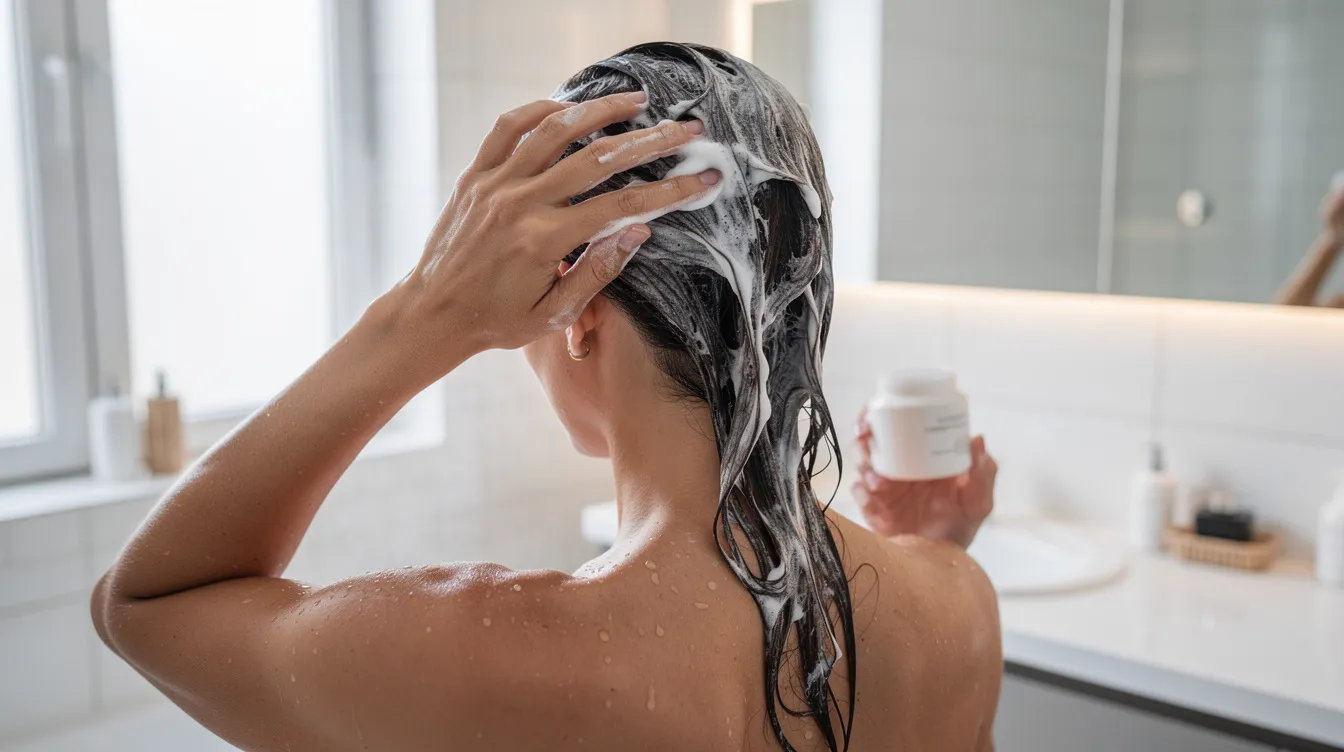
How to Choose the Best Hair Treatment for Your Hair Type and Concern
As of 2026, hair treatments are most effective when they are chosen by concern, not hype. To keep this content accurate, it helps to look at high quality sources, peer reviewed studies, and the basic structure of hair: the cuticle protects the outside, while the cortex gives strength and elasticity. Research on hair fiber damage shows that chemical processing, UV exposure, and heat can disturb both layers, which is why different formulations of hair treatments target distinct concerns such as moisture retention, damage repair, and frizz mitigation.
Before choosing the best treatments, identify your main issue:
-
Dry hair: feels rough, dull, or frizzy but may not be structurally broken.
-
Damaged hair: has split ends, snapping, gummy texture when wet, or breakage.
-
Fine hair: gets oily or flat quickly and is easily weighed down.
-
Thinning hair: shows a wider part, less hair density, or more visible scalp.
-
Curly hair and wavy hair: often need more moisture and careful styling to prevent frizz, and many benefit from specialized products for coily and textured hair that balance definition and hydration.
-
Scalp concerns: include itching, flaking, shedding, or slow hair growth.
Texture matters. Fine hair usually needs a lightweight formula, sprays, foams, and water-based serums. Thick, curly hair may tolerate richer creams, gels, and oils. Straight hair often shows oiliness faster at the roots, while coils may feel dry at the ends even when the scalp is healthy, so strategies to prevent greasy hair and manage oiliness can be useful alongside hydration-focused care.
Here is a simple way to read labels:
|
Concern |
Look for these key ingredients |
Use with care |
|---|---|---|
|
Breakage |
hydrolyzed keratin, wheat protein, rice protein, bond builders |
too much protein |
|
Dryness |
glycerin, aloe, hyaluronic acid, fatty alcohols |
heavy oils on unhydrated hair |
|
Frizz |
argan oil, shea butter, silicones, vitamin e |
buildup on fine strands |
|
Scalp and growth |
niacinamide, caffeine, minoxidil, peptides |
irritation from overuse |
People often need different “best hair” solutions for different zones: roots need scalp health and new hair growth support, mid-lengths need strength, and ends need sealing for split ends and dryness. Consulting with a stylist is highly recommended before committing to intensive salon services to assess the hair’s unique properties, especially if you have bleached hair, chemical straightening, or breakage.
Best Treatments for Damaged Hair (Color, Heat, and Chemical Damage)
Damaged hair usually looks dull, feels rough, tangles easily, and may break 2–5 cm from the scalp. Common causes include bleach, relaxers, chemical straightening, daily hot tools, tight hairstyles, and repeated color changes. If your hair stretches like gum when wet or snaps during brushing, it needs repair, not just shine spray.
A best hair repair routine should include:
-
Gentle cleansing with a low-sulfate or sulfate-free shampoo.
-
Weekly bond-building or protein treatment.
-
Regular deep conditioning, not random emergency masks.
-
Heat protection before blow-drying, curling, or ironing.
Professional salon formulas utilize highly concentrated active ingredients capable of penetrating the inner hair cortex. Professional treatments for severely damaged hair, such as keratin treatments and deep-conditioning treatments, can provide intensive repair that is not achievable with at-home products. In-salon treatments are often necessary for extreme hair damage, as they can deliver more concentrated and long-lasting results compared to at-home solutions.
Bond-repair systems are a type of professional treatment that works at the molecular level to repair serious damage in hair. Bond builders reconnect broken keratin chains from the inside out, restoring elasticity and strength without straightening the hair. That distinction matters: bond repair is not the same thing as smoothing or relaxing.
At-home hair treatments can be categorized into surface-level cosmetic treatments, such as hair masks and leave-in conditioners, and bond-building reparative treatments that work at the molecular level. Surface-level options improve slip, shine, and feel. Reparative options are designed to help reinforce weakened internal structure.
The main repair categories are:
-
Protein-based masks: help temporarily fill weak spots with hydrolyzed proteins such as keratin, rice, or wheat.
-
Bond-repair formulas: target broken internal links caused by bleach, color, and heat.
-
Lipid-rich oils and butters: smooth the cuticle and reduce friction between strands.
Applying a heavy protein treatment to dehydrated hair can make it rigid, brittle, and prone to breaking. This is why a treatment mask for damaged hair should be balanced with moisture. Adding a rich, deep-conditioning mask to your weekly routine can significantly enhance hydration and strengthen damaged hair.
To repair very damaged hair, the amount of improvement depends on the severity of the damage and the treatments used, with extreme issues like split ends or breakage being difficult to fully reverse.Healing damaged hair requires continuous care, the consistent use of nourishing products enriched with restorative ingredients, and maintaining healthy lifestyle habits. A realistic goal is 30–50% less breakage over about three months, plus smoother texture and healthier looking hair.
Practical habits matter as much as the bottle:
-
Trim split ends every 8–10 weeks.
-
Keep hot tools under 190°C or 375°F when possible.
-
Use heat protectant every time.
-
Avoid tight hairstyles that pull the same spots repeatedly.
-
Let hair air dry partially before styling.
Lab research on heat-responsive keratin-silicone films has shown measurable improvements in gloss and frizz after treatment, while studies on keratin delivery systems suggest better surface smoothness and reduced protein damage after UV exposure. These findings support what stylists see daily: advanced chemistry can help, but prevention is still easier than rescue.
Deep Conditioning and Oils: Hydration for Dry Hair and Frizz Control
Dry hair is not always damaged hair. It often lacks water, natural oils, or both along the shaft, especially on long, curly, or chemically processed lengths. If your hair feels better after conditioning but does not snap easily, moisture may be the main issue.
A weekly deep conditioning session can be simple:
-
Cleanse the scalp with shampoo.
-
Squeeze excess water from damp hair.
-
Apply a hair mask from mid-lengths to ends.
-
Comb through gently with fingers or a wide-tooth comb.
-
Leave on for 10–30 minutes.
-
Rinse with cool water to help smooth the cuticle.
Dry hair treatments include deep conditioning, hydrating masks, and hot oil treatments to replenish moisture, and many people benefit from following natural beauty and self-care tips that focus on effective hydration techniques and ingredients. Ideal ingredients include argan oil, shea butter, coconut oil, glycerin, aloe vera, fatty alcohols, hyaluronic acid, and vitamin e. These add slip, softness, and shine while reducing friction.
Use lighter cream masks if your fine hair goes limp quickly. Use richer masks if your hair is thick, coarse, curly, or coily and craves weight, pairing them with natural hair care products that match your texture and moisture needs. Deep molecular conditioning systems utilize natural plant oils and ultrasonic mist to seal the hair cuticle effectively, which is one reason salon hydration services can feel smoother and last longer than a standard conditioner.
Oils are useful, but they are not the same as hydration. Oils such as argan oil, coconut carrier oil for hair and skin, and olive oil seal moisture and add shine, but water-based conditioners and humectants do the hydrating work. For daily frizz control, smooth a few drops of oil over mid-lengths and ends after leave in conditioners. This helps prevent dryness between wash days without coating the scalp.
Strengthening and Volumizing Treatments for Fine Hair and Thinning Hair
Fine hair has a smaller strand diameter, so it can look flat even when it is healthy hair. It is easily weighed down, shows breakage more clearly, and may appear thin when hair thinning or hair loss is also present.
The best treatments for fine hair should feel invisible: water-based serums, foams, mists, and sprays usually work better than heavy butters. Using lightweight, volumizing treatments and bond builders is recommended for fine hair to avoid being weighed down by heavy products.
Light strengthening treatments can help. Hydrolyzed keratin, rice protein, or wheat protein may temporarily thicken the feel of each strand and reduce snapping. The key is moderation: fine hair can become stiff if protein is layered too often.
A volume-friendly routine looks like this:
-
Shampoo the scalp well to remove oil and buildup.
-
Apply conditioner only from mid-lengths down.
-
Use root-lifting sprays at the crown.
-
Choose a lightweight formula for styling.
-
Use precise application on specific thinning areas if applying scalp actives.
For early hair loss, general thinning, sparse areas, or widening part lines, cosmetic thickening products are only one part of the plan. Combine them with genuine hair loss treatment options, including topical solutions and prescription options discussed with a healthcare provider. If you are tracking progress, compare monthly photos of thinning areas and formerly sparse areas rather than judging every day. Early signs may include baby hairs growing, more baby hairs near the hairline, and better coverage in sparse areas.
Curly Hair and Coily Hair: Defining Curls While Preventing Damage
Curly hair and coily hair often look dry because scalp oils move more slowly down bends and coils. That makes the ends more vulnerable to dryness, frizz, and breakage, even when the roots are oily.
A curl-friendly routine usually includes low-suds or sulfate-free cleansers, rich conditioner, and weekly deep conditioning masks focused on moisture rather than strong protein. Bond-building masks and carefully chosen protein treatments can still benefit curly hair, especially after bleach or heat, but they should be alternated with moisturizing masks to avoid stiffness.
Leave-in creams and gels help define curls while sealing in hydration. Apply products to wet or damp hair, then scrunch upward. Avoid brushing curls dry unless you are intentionally preparing for a wash, because dry brushing can break curl clumps and cause frizz.
Night care also matters:
-
Sleep on silk or satin pillowcases.
-
Use loose braids, twists, or a soft pineapple.
-
Oil ends lightly if they feel rough.
-
Avoid tight protective styles that pull at the roots, and pay attention to the ingredients in braiding gels for protective styles to reduce buildup and scalp irritation.
If you follow all things beauty, it is easy to overcomplicate curl care. The core formula is simple: cleanse gently, hydrate generously, seal lightly, and protect the pattern while sleeping.
Scalp Health, Hair Loss, and Hair Growth Treatments
Many hair problems begin at the scalp. Shedding, dandruff, slow hair growth, and density changes often require scalp care before length care. According to Johns Hopkins Medicine, hair grows in cycles, and many types of hair loss happen when more follicles enter the resting phase or when the growth phase shortens.
Normal shedding is often up to roughly 100–150 hairs per day. Worrying patterns include sudden handfuls of shedding, round bald patches, intense itching, burning, scaling, or a rapidly widening part. Common causes of hair loss include genetics, hormonal shifts after pregnancy or menopause, severe stress, illness, thyroid problems, and nutritional deficiencies.
Nutritional deficiencies, particularly in iron, zinc, and vitamin D3, are common causes of hair loss and can often be corrected through diet. Hair can grow back after thinning, especially when the loss is sudden and due to medical reasons like pregnancy or trauma. However, addressing hair loss early is crucial; the longer one waits, the more difficult and costly it can become to treat.
Mainstream hair loss treatment options include:
-
Over-the-counter topical solutions.
-
Prescription tablets in some cases.
-
Microneedling or light-based therapies in office.
-
Platelet-rich plasma procedures.
-
Lifestyle support such as adequate protein, sleep, and stress management.
Minoxidil is a commonly recommended topical treatment for hair loss, effective for both men and women, and is often used to stimulate hair regrowth. Hair loss treatments typically require consistent use over several months, with noticeable results often taking four to six months to appear.
Newer regenerative options are also being studied. Exosome treatments, which involve the use of growth factors and stem cells, are gaining popularity for their ability to increase hair growth and decrease hair loss, much like how herbal options such as rosemary-based beauty and wellness products are being explored for supportive scalp care. Small clinical studies have reported density and coverage improvements over several months when exosome complexes are combined with microneedling, but protocols and long-term data are still developing.
Repairing hair damage requires advanced chemistry to re-link broken proteins, while healthy growth requires biological support at the root. Scalp care and follicle stimulation are key to length retention and thicker-looking hair, and some scalp serums use rosemary oil or natural hair growth treatments to support that process. If you want to address hair loss, consider seeing a board certified dermatologist or trichologist if shedding continues beyond 3–6 months or comes with pain, scaling, or inflammation.
In some studies, microneedling combined with topical treatment has performed better than topical treatment alone, and platelet-rich plasma plus microneedling has shown density gains of about 22 hairs per cm² over three to four months. That does not guarantee results for everyone, but it explains why the beauty industry is moving toward combined scalp therapies rather than single-step promises.
Building a Simple, Effective Hair Care Routine (Morning to Night)
The goal is to turn scattered “best treatments” into a routine you can actually repeat. A useful testing period is 8–12 weeks, with one change at a time so you know what works.
Here is a simple weekly framework:
|
Hair concern |
Shampoo |
Weekly treatment |
Daily support |
|---|---|---|---|
|
Damaged hair |
gentle repair shampoo |
bond builder or hair mask |
heat protection, leave-in |
|
Dry hair |
moisturizing shampoo |
deep conditioning mask |
oil on ends |
|
Fine hair |
scalp-focused shampoo |
light protein or bond treatment |
volumizing spray |
|
Curly hair |
low-suds shampoo or co-wash |
moisture mask |
leave-in cream and gel |
|
Thinning hair |
scalp cleanser |
scalp serum routine |
precise application of actives |
A typical wash day:
-
Pre-shampoo oiling for very dry hair.
-
Gentle shampoo focused on the scalp.
-
Targeted conditioner from mid-lengths to ends.
-
Weekly mask or treatment based on your main concern.
-
Leave-in product before detangling and styling.
Adding a rich, deep-conditioning mask to your weekly routine can significantly enhance hydration and strengthen your hair for a healthier appearance. Using nourishing products with restorative ingredients and maintaining healthy lifestyle habits are essential for effective at-home hair treatments.
Your morning routine does not need to be long. Use six sprays of a leave-in mist or heat protectant through the lengths, smooth a small amount of cream or oil over ends, then style. If using heat, apply heat protection first. If skipping heat, let hair air dry and avoid touching it while it sets.
Avoid over washing if your lengths feel dry, but do not ignore the scalp. Many people do well washing every 2–4 days depending on oiliness, workouts, and styling products. Gentle detangling with a wide-tooth comb reduces breakage over time and helps hair feel healthier before it looks dramatically different.
Expected timelines:
-
1–3 uses: more slip, shine, and softness.
-
2–4 weeks: smoother texture and less frizz.
-
8–12 weeks: less breakage, better length retention, improved fullness.
-
3–6 months: more realistic window for new growth and hair loss changes.
From a practical article view, the hair treatment best suited to you is the one you can keep using correctly. The best shampoo, best mask, or best scalp serum means little without consistent use.
FAQs
How long does it take to see results from a new hair treatment routine?
Surface improvements like softness, shine, and reduced frizz can appear after 1–3 uses, especially with deep conditioning masks and oils. Meaningful changes in breakage, length retention, and strength usually require 8–12 weeks of consistent treatment.
Genuine hair growth and hair loss improvements can take one full growth cycle, often around 3–6 months, before they are noticeable. Take monthly photos in similar lighting, especially around the part, temples, and crown.
Can severely damaged hair ever be fully repaired without cutting it?
Once the hair fiber is deeply cracked or split, treatments can smooth and seal it, but they cannot rebuild it exactly as new. Bond builders, keratin treatments, and deep conditioning can extend the life of damaged lengths, but split ends still need trimming.
A gradual plan works well: cut 0.5–1 cm every 4–6 weeks while using bond repair and moisture treatments. Prevention through lower heat, fewer harsh chemicals, and protective styling works better than trying to reverse extreme damage later.
What is the best shampoo type for dry or damaged hair?
The best shampoo for dry or damaged hair is usually sulfate-free or low-sulfate, with moisturizing ingredients such as glycerin, panthenol, aloe, or plant oils. Fine hair may prefer lightweight moisturizing shampoos that cleanse without coating strands.
Very dry or curly hair types may benefit from alternating a gentle shampoo with co-washing using a light conditioner. Avoid daily harsh washing unless your scalp truly needs it.
Are natural oils like argan oil enough as a hair treatment on their own?
No. Argan oil, coconut oil, and olive oil are excellent for sealing in moisture and adding shine, but they do not hydrate hair alone without water-based products. Use oils after washing and conditioning, on damp or dry hair, focusing on mid-lengths and ends.
Some oils, such as coconut oil, can penetrate the hair shaft to a degree, while others mainly coat the surface. Both can be useful when combined with conditioners, masks, and leave-ins. If your hair is fine, use only a drop or two.
When should I see a professional about my hair instead of just changing products?
See a professional promptly for sudden dramatic hair loss, patchy bald spots, scalp pain, pus, intense itching, or heavy scaling. Persistent breakage despite gentle hair care, or hair that has not grown past a certain length for over a decade, can also justify expert advice.
Bring your current products, medication list, major life events, and recent lab results if available. A healthcare provider can help identify whether the issue is cosmetic damage, scalp disease, nutrition, hormones, or another medical trigger.
Conclusion
The best hair treatment is not the one with the loudest promise. It is the one that matches your hair types, your scalp, your damage level, and your ability to use it consistently.
Start with your biggest concern, build a simple routine, and give it enough time to work. If shedding is rapid, patchy, or persistent, do not wait-get professional guidance while continuing gentle at-home care.


