


Batana Hair Oil: Uses, Benefits, Risks & How to Apply It for Healthier Hair
Batana hair oil has become a beauty trend, but it is not new. This rich natural oil has a long history in Central America, especially for dry hair, damaged hair, and scalp care. Here’s what batana oil can realistically do, what it cannot prove yet, and how to use batana oil without weighing your hair down.
Key Takeaways
-
Batana oil is a dense hair oil made from the nuts of the American palm tree, Elaeis oleifera, traditionally used in Honduras for dry, coarse, and damaged hair.
-
There is no strong clinical proof that batana oil can regrow hair, reverse gray hair, or prevent hair loss caused by androgenetic alopecia.
-
Batana oil for hair works best as a hair mask or pre-shampoo hair treatment for thick, curly, coily, or heavily damaged hair.
-
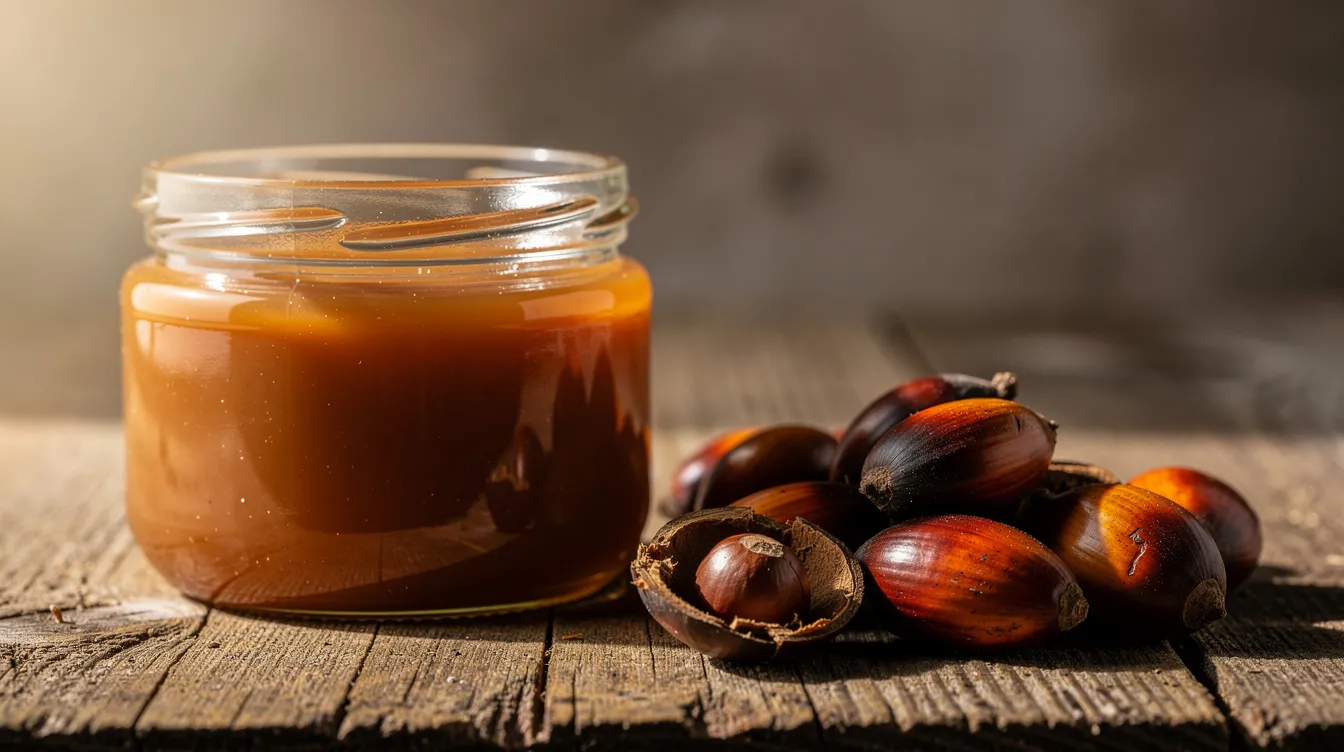
Authentic raw batana oil is dark brown to amber, semi-solid, and has a roasted coffee-like, nutty, earthy scent.
-
Most people should patch test first, especially those with palm, nut, or seed allergies.
What Is Batana Oil?
Batana oil is a traditional oil extracted from the nuts of the American oil palm, Elaeis oleifera, a species native to Central and northern South America. On ingredient lists, you may see it written as elaeis oleifera kernel oil. It is often associated with the Miskito communities of Honduras and Nicaragua, where it has been used for hair and skin care for generations.
The oil is often handcrafted by roasting, pounding, and slow-boiling palm nuts. This process creates a thick, butter-like consistency that melts at body temperature and carries a distinct, roasted coffee-like or nutty aroma. In cooler rooms, pure batana oil may look like a brown paste; warmed between your hands, it becomes a smooth oil.
Batana oil is richer than many other plant based oils, including lighter options like argan or grapeseed. It is sometimes compared with palm oil because both come from palm fruit or kernels, but batana oil comes specifically from Elaeis oleifera.
Key sensory traits include:
-
Dark brown to amber color
-
Semi-solid, balm-like texture
-
Smoky, earthy scent that usually fades after application
-
Heavy, rich feel that suits thicker hair type patterns best
Batana Oil Benefits for Hair and Scalp
The benefits of batana oil are mostly based on traditional use, cosmetic chemistry, and its nutrient profile rather than large modern clinical trials. That said, the composition does explain why many people notice softer, shinier, more manageable strands.
Batana oil is rich in antioxidants and essential fatty acids, which help strengthen, moisturize, and enhance shine for healthier hair. Batana oil contains fatty acids like oleic acid, palmitic acid, linoleic acid, and stearic acid, which play a main role in moisturizing both the hair and scalp.
The fatty acids in batana oil, such as oleic and linoleic acids, help moisturize the hair and scalp, increasing shine and strength. Oleic acid supports softness and slip, while linoleic acid may help support the scalp barrier. These nutrients help batana oil act as a powerful emollient, delivering heavy moisture to dry, coarse, or chemically damaged hair without leaving it brittle.
Batana oil also contains antioxidants, including carotenoids and vitamin E compounds, which may protect the hair and scalp from oxidative damage. Vitamin E, also called tocopherols, reduces split ends and protects the hair from UV rays and environmental damage. This vitamin family may support scalp health and reduce stress from pollution, sun exposure, and heat styling.
Batana oil strengthens hair by preventing mechanical breakage and filling in the gaps of damaged hair fibers, restoring elasticity. Better lubrication means less friction when brushing, detangling, or styling. Over time, less breakage can make hair appear fuller and longer even if the oil is not changing the follicle’s natural growth rate.
Batana oil is best suited for thick, curly, coily, or heavily damaged hair due to its thick, rich consistency. People with highly porous, color-treated, bleached, relaxed, or heat-damaged hair may notice the most visible benefits: more shine, smoother ends, less frizz, and a soft finish.
Batana oil can nourish and protect, but it is not a proven medical treatment for psoriasis, seborrheic dermatitis, severe eczema, or infection.
Can Batana Oil Help With Hair Growth, Hair Loss, and Gray Hair?
Batana oil can support scalp and hair health, but it does not have robust clinical evidence for reversing baldness, restoring gray hair, or creating new follicles. This distinction matters.
Supporting hair growth means reducing dryness, friction, and breakage so existing strands can retain length. Actually increasing hair growth rate, follicle count, or hair regrowth is a different claim. While there are limited clinical trials, moisturizing and preventing breakage creates a healthier environment for hair growth.
Batana oil has been shown to create an ideal environment for healthy hair growth due to its rich content of Omega-9 and Omega-6 fatty acids, which nourish the scalp and strengthen hair from the roots. However, this should not be confused with proof that it can promote hair regrowth in areas affected by medical hair loss.
Some marketing claims suggest batana oil can promote hair growth, promote hair regrowth, or work as an oil for hair growth. According to dermatology-focused reviews such as Healthline’s review of batana oil and hair loss, there is currently no clinical evidence supporting its effectiveness in regrowing hair or reversing balding, according to dermatologists.
Batana oil contains linoleic acid, which may theoretically help against an enzyme linked to male and female pattern hair loss, but more research is needed to confirm its effectiveness for this purpose. Claims about 5-alpha-reductase and androgenetic alopecia are still theoretical, not comparable to evidence for treatments like minoxidil or finasteride.
There is also no scientific proof that batana oil reverses gray hair. Gray hair is usually driven by genetics, aging, and oxidative damage to pigment-producing cells. A topical oil may add shine and softness to gray strands, but it has not been shown to restore lost pigment.
If you have sudden shedding, patchy hair loss, pain, scaling, or rapidly increasing gray hair before age 25–30, see a trichologist or board certified dermatologist to rule out nutrient deficiencies, thyroid issues, autoimmune disease, or other treatments you may need.

How to Use Batana Oil on Different Hair Types
The right method depends on hair type, density, and how easily your scalp gets greasy. Because this hair oil is heavy, start with less than you think you need.
|
Hair type |
Best method |
How much |
|---|---|---|
|
Straight or fine |
Pre-shampoo treatment |
Pea-sized amount or a few drops |
|
Wavy or medium |
Occasional mask before wash day |
½–1 teaspoon |
|
Curly or coily |
Mask, sealant, or scalp massage |
1–2 droppers as needed |
For wavy and straight hair, Types 1 and 2, apply batana oil to the scalp and hair, massaging to stimulate circulation, and leave on for at least 2 hours or overnight before shampooing. If hair feels flat, shorten this to 10–20 minutes.
For curly and coily hair, Types 3 and 4, apply 1-2 droppers of batana oil to the scalp and hair, massaging to stimulate circulation, and do not rinse; use daily or as needed. If that feels too rich, use it only on wash day or on the ends.
You can also mix a small amount into your favorite conditioner or hair mask to add slip and richness. Keep your hair care routine simple for 4–6 weeks before increasing frequency so you can track how your hair and scalp respond.
Step-by-Step: Batana Oil Hair Mask (Pre-Shampoo Treatment)
Use this method when your hair feels rough, dull, dry, or fragile.
-
Start with dry or slightly damp hair.
-
Warm 1–2 teaspoons of batana oil between your palms until it melts from a paste into fluid oil.
-
Divide hair into 1-inch sections.
-
Massage the oil into the scalp with fingertips for 3–5 minutes to support local blood flow.
-
Work additional oil through the mid-lengths and ends.
-
Focus on visibly damaged or split areas, but avoid heavy roots if your hair is fine.
-
Cover with a shower cap or microfiber towel.
-
Leave batana oil on for 20–60 minutes for fine hair, or several hours to overnight for thick, coarse, or very dry hair.
-
Shampoo thoroughly once or twice, then rinse well and condition if needed.
To use batana oil as a hair mask, divide hair into 1-inch sections, massage the oil into the scalp, and distribute it through the rest of the hair; leave it on for several hours or overnight before thoroughly shampooing and rinsing.
You can leave batana oil in your hair overnight, but for fine hair types, it is recommended to use it as a pre-poo treatment for 10-20 minutes before shampooing.
Using Batana Oil to Target Damaged Ends and Breakage
For split ends, mid-shaft breakage, or fragile hairlines, apply a drop or pea-sized dab to the last 2–3 inches of damp hair. Rub it between your fingers first, then smooth it lightly over the ends.
Use this targeted approach two or three times per week to add shine, soften roughness, and reduce the look of frayed ends. For bleached pieces or heat-styled bangs, use batana oil as a 15–30 minute short-contact treatment before styling.
Oil cannot permanently repair split ends that are physically separated. It can smooth and protect them temporarily, but regular trims every 8–12 weeks are still important.
Safety, Side Effects, and Patch Testing
Batana oil is generally well tolerated by most people, but natural does not always mean risk-free. Because batana oil comes from a palm nut, people with palm, nut, or seed allergies should be cautious. If you have a history of severe allergy, ask a medical professional before applying it to the scalp or skin.
Patch test first:
-
Apply a small amount behind the ear or on the inner forearm.
-
Leave it on for 24 hours.
-
Watch for redness, itching, swelling, rash, burning, or bumps.
-
Stop using it if irritation appears.
Batana oil is occlusive, so overuse can cause build-up, itchiness, or clogged follicles. This is more likely if you are prone to acne along the hairline, seborrheic dermatitis, or scalp sensitivity.
Start with scalp applications once weekly. Pair heavy oiling with a gentle shampoo, and use a clarifying wash when residue builds up.
How to Choose Authentic Batana Oil and Store It
Since batana oil became popular from about 2020–2025, many blended or mislabeled products have appeared online. A good product should make it easy to verify what you are buying.
Look for:
-
elaeis oleifera kernel oil high on the ingredient list
-
Sourcing from Honduras, especially La Mosquitia, or clear traceability from nearby Central American regions
-
Dark brown to amber color
-
Semi-solid balm texture
-
Smoky, nutty scent rather than strong perfume
-
Packaging in glass or dark containers
Be skeptical of “batana blend” or “miracle oil” products where cheaper oils appear before batana oil on ingredient lists. Honest brands should be transparent about origin, processing, and whether the product is pure or blended with other plant based oils.
Store batana oil in a cool, dark place with the lid tightly closed. It may solidify in cooler temperatures; warm the jar in your hands or a water bath before use.
Frequently Asked Questions About Batana Hair Oil
How often should I use batana oil for best results?
Very dry, coarse, curly, or coily hair can usually tolerate batana oil once or twice per week as a mask or overnight treatment. Fine hair often does better once every 7–10 days, or only on the ends.
Track results for 4–6 weeks. If your hair feels soft, shiny, and clean, continue. If it feels heavy or coated, use less oil or shampoo more thoroughly.
Can I leave batana oil in my hair without rinsing?
Yes, but only in very small amounts. A pea-sized amount can work on very dry curls and coils to seal in moisture. For fine or straight hair, a few drops on the ends is usually enough.
Avoid leaving a thick layer directly on the scalp for days. Build-up may irritate the scalp or make roots look greasy.
Is batana oil safe to use with other hair growth treatments?
In most cases, batana oil can be used with medically approved hair loss treatments, but timing matters. Apply medicated products like minoxidil to a clean scalp first, let them dry fully, then use batana oil later as a pre-shampoo or ends-focused treatment.
If you use prescription medication or have a scalp condition, ask your dermatologist before combining products.
Will batana oil change my natural curl pattern or relax my hair?
No. Batana oil does not chemically alter the internal structure of the hair, so it will not permanently relax curls or coils.
It may temporarily make curls look looser, smoother, or shinier because it adds weight and moisture. Your normal pattern should return after cleansing.
How long does it take to see results from batana oil?
Many people notice softer, shinier hair after one or two uses. More meaningful changes in breakage, dryness, and overall hair health usually take 8–12 weeks of consistent use.
If shedding worsens, bald patches appear, or your scalp becomes painful or inflamed, stop self-treating and see a medical professional.
Batana oil good results come from using the right amount for your hair type. Treat it as a conditioning and protective oil, not a cure-all, and it can be a useful part of a healthier hair routine.


