


Rosewater for Hair Growth: Benefits, DIY Recipes & How to Use It
Key Takeaways
-
Rose water made from rose petals can support hair growth indirectly by promoting a healthy scalp, adding moisture, and reducing irritation.
-
There is limited scientific proof that rose water alone regrows hair, but it may reduce hair loss triggers like dryness, inflammation, dandruff, and breakage.
-
Rose water for hair works as a hair rinse, leave-in mist, or scalp treatment for most hair type needs, including dry hair, curls, waves, and color-treated hair.
-
You can make it with fresh rose petals, organic rose petals, or dried rose petals, but shelf life and clean storage matter.
-
You’ll learn simple diy treatments, how often to apply rose water, and blends with essential oils for healthier hair.
What Is Rose Water & How Can It Support Hair Growth?
Rose water is water infused or steam-distilled from roses, often rosa damascena, Rosa centifolia, or similar petals used in beauty and skin care for centuries. A deeper look at what authentic rose water is shows that true rose water is a simple, distilled floral water rather than just rose-scented water. It has a natural fragrance, calming scent, and beautiful scent, but its value in hair care goes beyond smell.
Rosewater is a natural toner that can mitigate breakage and reduces follicle-stressing inflammation, but does not directly grow hair. Instead, rose water's ability is mostly about creating a healthy scalp environment by stimulating the scalp, improving circulation, helping the scalp absorb nutrients better, easing itch, supporting hydration, balancing ph level, and creating healthier conditions for hair follicles.
Rose water is rich in vitamins A, B3, C, and E, which nourish the scalp and stimulate hair follicles to encourage hair growth.Rich in bioactive flavonoids and phenolic acids, rosewater provides antioxidant protection against free radical damage; researchers have identified flavonol glycosides in distilled rose petals in PubMed-indexed research. The antioxidants in rosewater protect hair proteins from oxidative stress, which is associated with hair loss, and some brands now offer updated rose water mists for hair and skin with gentler pH and finer sprays to make daily use easier.

Benefits of Rose Water for Hair, Scalp & Hair Growth
Rose water can help create the conditions stronger, fuller-looking hair needs: scalp health, hydrated hair strands, and less breakage.
Hydration
Rose water offers gentle, lightweight hydration that benefits dry, brittle, or lackluster hair without adding heaviness, making it particularly suitable for textured hair, such as curls and waves. Rosewater hydrates without heavy buildup, preventing pore-clogging residues that block hair follicles.
Scalp soothing
Rosewater provides anti-inflammatory properties that soothe conditions like dandruff, eczema, or psoriasis. Rose water has mild astringent and anti-inflammatory properties that can help reduce dandruff by balancing scalp oil production and soothing irritation. Regular use of rose water can help calm the scalp and reduce flakiness, making it suitable for those with dandruff. Incorporating rose water into haircare routines can benefit individuals with oily scalps, dandruff, or seborrheic dermatitis, and some people also use tea tree water mist spray for additional clarifying and soothing support.
Oil balance
Rosewater acts as a mild astringent, regulating excess oil production without over-drying. Its astringent properties may reduce oiliness while keeping the scalp comfortable.
Follicle support
The pH level of rose water is similar to that of the scalp, helping to maintain the natural balance and support healthy hair follicles. Rose water supports the scalp’s natural pH balance, which is essential for maintaining healthy hair follicles and can contribute to improved hair growth. The pH level of rose water is similar to that of the scalp, which helps maintain the natural balance without disrupting the scalp’s microbiome, making it suitable for all hair types.
Cosmetic benefits
Regular use of rose water can improve hair’s shine and softness, making it easier to manage and style. Regular use of rose water can noticeably improve hair’s shine and softness, as its naturally hydrating properties help smooth the hair strands, reducing frizz and making the hair more manageable. It can add shine, natural shine, and softness before any growth changes are visible. Recent studies on concentrated rose extracts suggest potential benefits for hair growth in animal models, but rose water remains a supportive step, not a cure.
How to Make Rose Water for Hair Growth at Home
Use pesticide-free roses, clean tools, and distilled water to protect scalp health. If possible, choose organic rose petals and avoid synthetic fragrances.
For a simple simmer method, remove petals from fresh rose petals, rinse them, place them in a pot, and cover with distilled water. Simmer gently for 20–30 minutes until the petals lose color; when petals lose their color, cool and strain.
If using dried rose petals, combine 1 cup dried petals with 2–3 cups distilled water, then simmer or steep with a lid. The scent may vary depending on the petals and preparation, and different production methods for rose water can change how strong, fragrant, or concentrated the final water feels on your hair and scalp.
After cooling, you may add 1–2 drops of scalp-friendly essential oils, such as rosemary or lavender, per cup. Avoid undiluted rose oil or any essential oil directly on skin.
Pour cooled rose water into a clean spray bottle or airtight container, label the date, and refrigerate to maintain freshness. Homemade rose water usually has a shelf life of 1–2 weeks; discard it if smell, color, or clarity changes. If you prefer not to DIY, a ready-made rosewater face and hair mist spray can offer longer shelf life and consistent quality.

How to Use Rose Water for Hair Growth in Your Hair Routine
You can use rose water as a hair rinse, leave-in spray, or scalp treatment within a daily hair care routine or weekly hair care regimen, and it can also be part of a broader approach to using rose water for skin, hair, and scalp if you like multi-use products.
For a post-shampoo rinse, shampoo and conditioner as usual, then apply rose water generously to clean hair, scalp, and lengths. Gently massage for a few minutes, then leave in or rinse with cool water. Using rose water as a final rinse after shampooing and conditioning can help seal in moisture, soothe the scalp, and enhance the hair’s natural shine and softness.
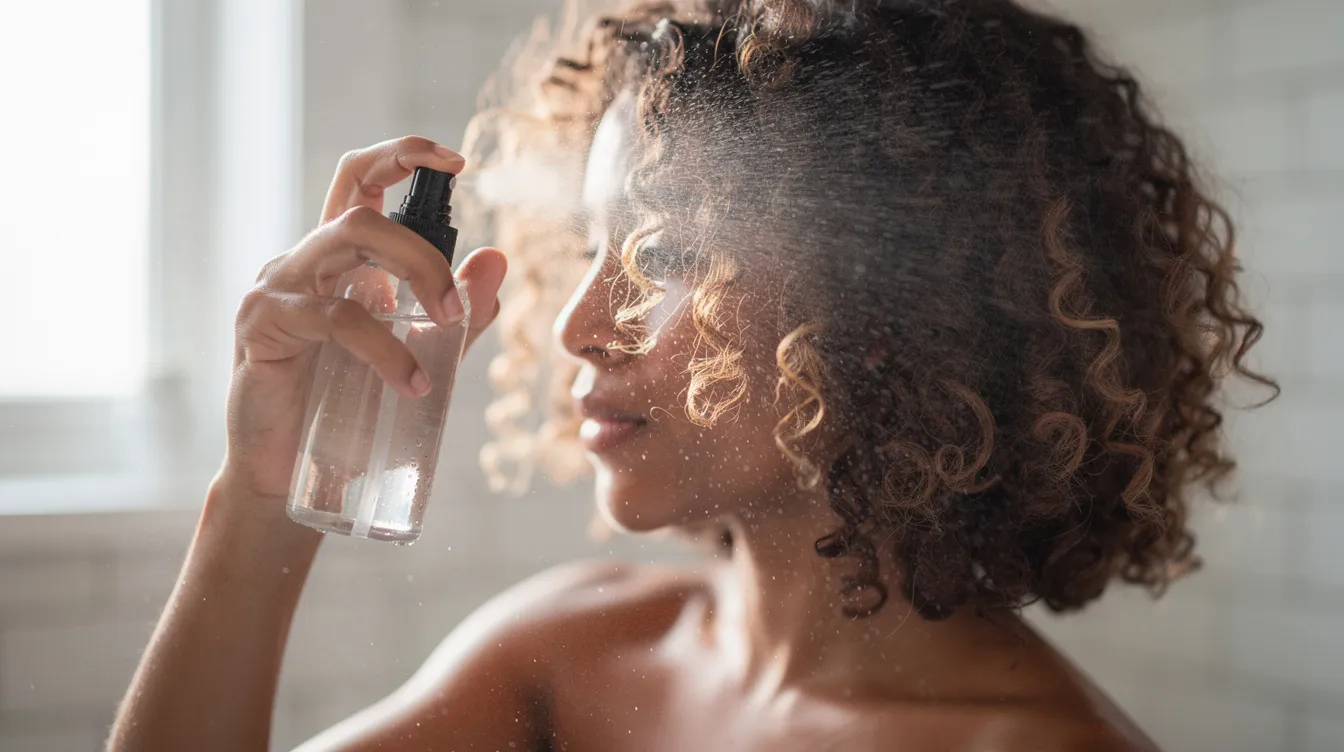
For a leave-in rose water spray, lightly mist damp or dry hair, focusing on mid-lengths, ends, and itchy areas. Rose water can be used as a leave-in mist by lightly spraying it onto clean hair and scalp after washing, which helps refresh the scalp and adds moisture to the hair strands.
For scalp treatments, section hair, spray rose water directly onto scalp, or use a cotton pad. For scalp treatments, rose water can be applied directly using a cotton pad to calm irritation or itchiness, and can be combined with other ingredients like tea tree oil for enhanced benefits.
Use it 2–3 times weekly. Very dry hair may tolerate more; sensitive scalps should start once weekly. Fine or oily hair needs a lighter spray; thick, curly, or coily hair can use more, followed by a light oil on ends.
DIY Rose Water Blends for Healthier Hair & Scalp
Incorporating rose water with simple ingredients can target dryness, frizz, scalp conditions, and hair loss concerns more precisely, and it fits well into a broader natural beauty and self-care routine.
-
Rose water + aloe: Mix equal parts rose water and pure aloe gel or juice. Use as a soothing mid-week refresher spray.
-
Rose water + glycerin: Add ¼ teaspoon vegetable glycerin per cup for moisturizing dry hair. Use little to avoid stickiness.
-
Rose water + essential oils: Add 1–2 drops rosemary, lavender, or tea tree oil per cup, shake well, and patch test.
-
Rose water + carrier oil: Rose water can be combined with carrier oils like jojoba or coconut oil to create a pre-shampoo treatment or leave-in conditioner for added hydration and frizz control. You can also pair it with a rosemary mint hair and scalp elixir oil for added nourishment on the scalp and ends. Argan oil can also be used sparingly on ends.
-
Rose water + apple cider vinegar: Mix 1 cup rose water with 1–2 tablespoons vinegar as an occasional clarifying rinse.
Who Should Use Rose Water? Matching It to Hair Types & Concerns
Rose water is generally safe for most people, but usage should match hair type, scalp sensitivity, and any existing health issue.
For dry hair and dry scalp, use rose water often as a hydrating spray, then seal ends with a light oil or other natural hair care oils and treatments. For oily scalp or fine hair, use it mainly as a balancing hair rinse because the mild astringent effect can reduce oiliness.
Curly, coily, and textured hair can use rose water spray between wash days to revive shape without buildup. Color-treated or chemically processed hair may benefit from moisture and pH balance, but still choose a gentle favorite shampoo, and some people alternate rose water with a rosemary water mist spray or rice-based shampoos and conditioners for extra scalp stimulation.
Anyone allergic to flowers, sensitive to fragrance, or dealing with open sores, infection, painful dandruff, eczema, psoriasis, or seborrheic dermatitis should speak with a board certified dermatologist before regular use.
Safety, Storage & Realistic Expectations
Natural does not mean risk-free. Always patch test: apply a small amount behind the ear or inner arm, wait 24 hours, and watch for redness, itching, burning, or swelling.
Store homemade rose water in a tightly sealed glass or high-quality plastic bottle in the refrigerator, away from light and heat. Use within 1–2 weeks and discard earlier if odor, texture, or color changes.
Some users report improved hair growth due to rose water’s ability to stimulate the scalp and improve circulation, creating a healthier environment for hair follicles, especially when combined with other natural hair growth treatments and oils. Still, rose water alone will not reverse severe hair loss. If shedding is sudden, patchy, painful, or worsening, get a diagnosis and use rose water as a gentle complementary step.
FAQs
How long does it take to see results from using rose water for hair growth?
Softness, shine, and scalp comfort may improve within a few uses. Visible hair growth changes usually take 2–3 months because hair cycles move slowly. Track photos, reduce heat, eat well, and consult a dermatologist if hair loss worsens.
Can I leave rose water in my hair overnight?
Yes, most people can leave a light mist overnight. Start with a small test night, protect hair with a satin or silk pillowcase, and rinse in the morning if hair feels sticky or scalp feels irritated.
Is rose water safe to use on children’s hair and scalp?
Simple, fragrance-light rose water is often tolerated, but children’s skin is sensitive. Patch test first, use very small amounts, avoid essential oils unless approved by a pediatric professional, and ask a doctor before using on infants.
Can I mix rose water with my regular shampoo or conditioner?
Yes, you can mix a small amount with shampoo or conditioner, but it may thin the product. A separate pre-shampoo mist, hair rinse, or leave-in spray gives better control.
Does rose water help with dandruff and scalp odor?
Rose water may reduce mild dandruff, flakiness, and light odor through anti inflammatory properties, anti inflammatory activity, gentle fragrance, and oil balance. Persistent dandruff or strong odor may require medical treatment.


