


Spoiled Batana Oil: How to Tell if Your Batana Oil Has Gone Bad (and What to Do Next)
Spoiled batana oil is a concern for anyone using this natural hair care product, and knowing how to identify, prevent, and handle it is essential for batana oil users and hair care enthusiasts. Batana oil is a natural oil derived from the nuts of the South American Palm Tree, traditionally used by the indigenous people of Honduras for its nourishing properties. This guide covers how to spot the signs of spoiled batana oil, how to prevent spoilage, and what to do if your oil has gone bad—helping you avoid scalp irritation and wasted product.
Spoiled batana oil typically exhibits a sharp, rancid, musty, or paint-like odor, a darker or cloudy appearance, and a thick, sticky texture. Recognizing these signs early ensures you get the full benefits of your investment and protect your scalp from irritation or harm.
Key Takeaways
-
Natural batana oil can spoil over time, especially when exposed to heat, light, or moisture contamination
-
Spoiled batana oil loses its amazing benefits for hair growth and can actually irritate the scalp rather than nourish it
-
Watch for these signs: rancid smell, strange color changes, separated texture that won’t blend, visible mold, or new itchiness and redness after application
-
Fresh, authentic batana oil from Honduras has a rich, nutty scent, dark brown color, and thick buttery texture that melts easily in warm hands
-
Using high-quality, pure batana oil (like the one offered by IWELL US) and storing it correctly dramatically reduces spoilage risk
What Is Batana Oil and Why Can It Spoil?
Batana oil is a natural oil derived from the nuts of the South American Palm Tree, traditionally used by the indigenous people of Honduras for its nourishing properties. Authentic Batana oil is traditionally sourced from the nuts of the American palm tree native to Honduras, where indigenous communities have used it for centuries to promote thick, healthier hair. This raw batana oil is rich in essential fatty acids and antioxidants that support scalp health and help reduce hair loss. The oil is known for its ability to deeply moisturize hair, providing lasting softness and shine, making it suitable for all hair types.
Those same natural fats—particularly the high oleic acid content—make it vulnerable to oxidation over months if not stored properly. When you hear “spoiled batana oil,” it refers to oil that typically exhibits a sharp, rancid, musty, or paint-like odor, a darker or cloudy appearance, and a thick, sticky texture. Spoiled batana oil will smell sour, bitter, or chemical-like. It is best to check for signs of spoilage, such as an unusual, unpleasant smell, which indicates the oil should be discarded.
Unlike heavily preserved cream products, pure natural batana oil typically has a realistic shelf life of about 12-18 months when well stored. Once opened, aim to finish it within 6-12 months for maximum potency.

How to Tell If Your Batana Oil Is Spoiled
Knowing the signs of spoiled batana oil is crucial for safe and effective use. Spoiled batana oil typically exhibits a sharp, rancid, musty, or paint-like odor, a darker or cloudy appearance, and a thick, sticky texture. If batana oil darkens or turns cloudy, it may indicate spoilage. The oil may become thick, sticky, or viscous instead of remaining a light oil when spoiled. It is best to check for signs of spoilage, such as an unusual, unpleasant smell, which indicates the oil should be discarded.
Let the oil reach room temperature first—if it’s solid, allow it to soften slightly before testing.
Smell Changes
|
Sign |
What to Look For |
What It Means |
|---|---|---|
|
Smell changes |
Sour, bitter, chemical-like, sharp, rancid, musty, or paint-like odor |
Oil is likely spoiled; discard immediately to avoid scalp irritation or ineffective results |
Color Changes
|
Sign |
What to Look For |
What It Means |
|---|---|---|
|
Color shift |
Darkening, turning cloudy, grayish, very pale, or uneven blotchy tones |
Indicates oxidation or spoilage; oil may no longer be safe or effective |
Texture Changes
|
Sign |
What to Look For |
What It Means |
|---|---|---|
|
Texture change |
Thick, sticky, viscous, gritty, stringy, waxy clumps that don’t melt with warmth |
Spoilage has occurred; oil is no longer in its optimal state |
Other Signs
|
Sign |
What to Look For |
What It Means |
|---|---|---|
|
Visible particles |
Sediment, mold spots, or cloudy streaks that weren’t there when you bought it |
Possible contamination or spoilage; do not use |
|
New scalp irritation |
Burning, itching, or red patches within 24 hours of application |
Oil may be spoiled or contaminated; discontinue use |
|
Extreme separation |
Oil and solid phases that won’t recombine even when gently warmed |
Indicates instability or spoilage; discard |
Trust your senses. If you’re hesitating because something smells or looks wrong, err on the side of caution and stop using it. Try a quick spot test on your inner arm if you’re unsure—watch for redness or bumps within 24 hours.
Fresh vs Spoiled Batana Oil: What It Should (and Shouldn’t) Look Like

Understanding the difference between real batana oil and questionable products helps you spot problems fast.
|
Characteristic |
Fresh, Quality Oil |
Spoiled or Fake Oil |
|---|---|---|
|
Texture |
Thick, buttery at cool temps; melts easily |
Thin, watery, or permanently clumpy |
|
Color |
Dark brown to deep amber |
Pale yellow, grayish, or neon-colored |
|
Scent |
Warm, nutty, slightly earthy or smoky |
Rancid, chemical, or artificially sweet |
|
Absorption |
Soaks into skin within 1-2 minutes |
Sits on top of skin, feels greasy |
|
Melting |
Melts smoothly with body heat |
Clumps that never fully dissolve |
Some separation is normal in raw oils, but it should blend back smoothly with gentle warming. Different batches of authentic batana oil can vary slightly in shade due to harvest and climate, so look at several cues together rather than color alone.
Does Spoiled Batana Oil Still Work for Hair Growth?
Once batana oil is rancid, its amazing benefits for hair growth and dry hair repair are significantly reduced. Oxidation breaks down the fatty acids and vitamin E that normally nourish follicles and support new hair growth.
Worse, rancid oil can increase scalp inflammation or clog pores—the opposite of what you want for healthy hair. Studies on similar natural oils show rancid products can lose 50-70% of their antioxidant capacity.
If the oil is simply low-quality or heavily diluted (but not rancid), it may be safe but will likely deliver weak or inconsistent results. Many users report better outcomes with fresh, authentic products versus old or questionable oils.
Don’t continue using clearly spoiled oil just to “finish the jar,” especially if you notice more shedding, dryness, or irritation.
Why Some Batana Oils Go Bad Faster Than Others
Not all batana oil is produced or stored the same way, and this strongly affects how quickly it spoils.
Main culprits for rapid spoilage:
-
Production methods: Cold-pressed, gently processed oil retains natural antioxidants; overheated or chemically refined versions oxidize faster
-
Packaging quality: Dark amber glass blocks 99% of UV light versus clear plastic that accelerates breakdown
-
Shipping conditions: Summer heat in transit can increase oxidation by 300% in just four weeks
-
Air exposure: Every time you open the jar, oxygen triggers degradation
-
Adulteration: Blends with cheap oils from China or other sources often contain already-oxidized ingredients
A 2024 consumer report found that 60–70% of online batana oil products were mislabeled. In many cases, unusually cheap products were associated with diluted or counterfeit oils, while traditionally produced Honduran batana oil tends to be more expensive because of the time-intensive extraction process.
IWELL US emphasizes commitment to high-quality sourcing, protective packaging, and clear use-by guidance to help customers get the longest life from their natural batana oil products, explaining in detail how different forms of 100% batana oil are processed and preserved.
How to Store Batana Oil to Prevent Spoiling
Simple storage habits can keep your natural batana oil fresh and effective for as long as possible.
Storage checklist:
-
Keep the container tightly sealed after every use
-
Store in a cool, dry place away from direct sunlight (a cabinet works better than a steamy bathroom shelf)
-
Never leave the lid off while doing your routine
-
Use clean, dry hands or a spoon—never dip wet fingers into the jar
-
Keep away from heat sources like radiators or window sills
-
Aim for temperatures below 77°F (25°C) for extended storage
Refrigeration is optional. It may extend freshness but makes the oil harder to use. If refrigerated, remove the jar 10-15 minutes before your morning or evening routine so it can soften.
Write the opening date on your container so you can track how long you’ve had the product.
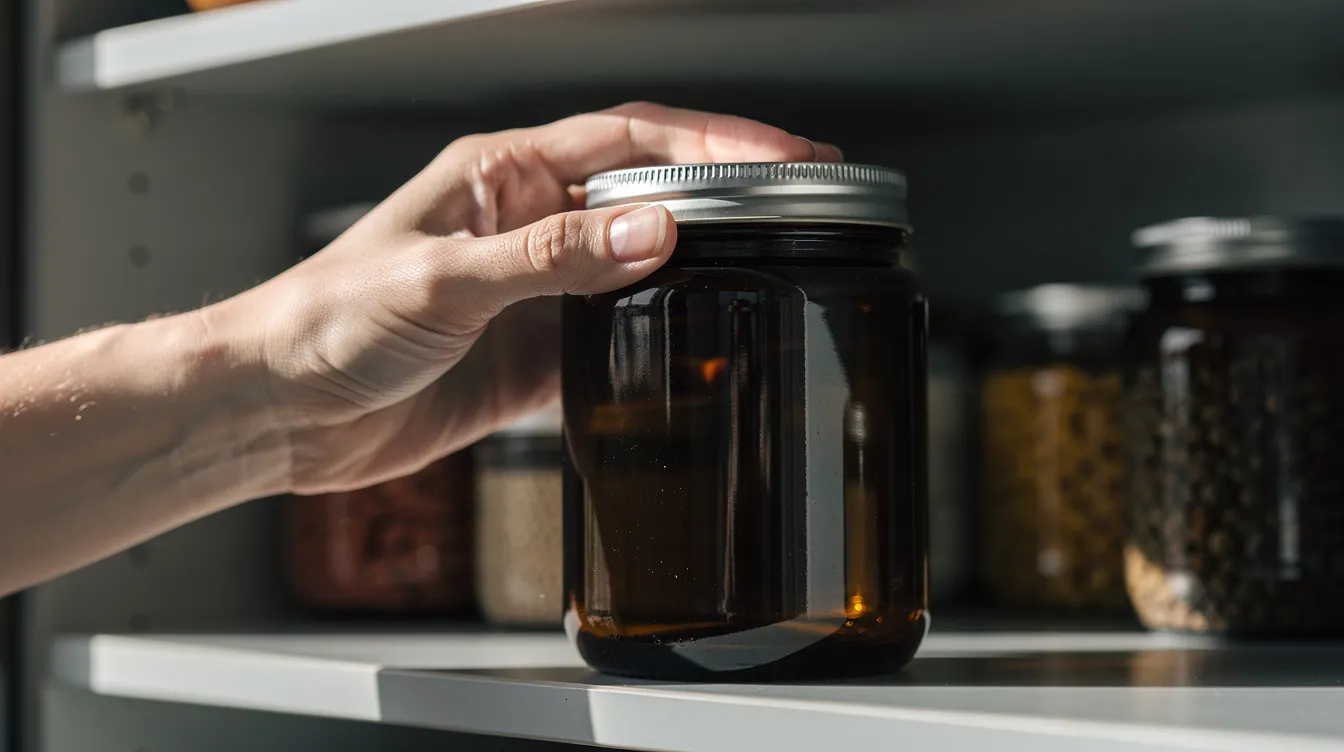
Choosing Quality Batana Oil So You Don’t End Up with a Spoiled Product
Starting with authentic, high-quality batana oil for hair and scalp reduces the chances of rapid spoilage and disappointing results.
What to look for when buying:
-
Clear ingredient list that prioritizes batana oil (not long lists of synthetic fillers or serum additives)
-
Information about origin (batana oil from Honduras or American palm sources)
-
Packaging that protects from light (amber or dark bottles, sealed containers)
-
Realistic claims about hair growth and natural hair care—not “overnight miracle” promises
-
Transparent company information about sourcing and batch dates
-
Reviews from real customers with pictures showing consistent use results
IWELL US serves as an example of a company focused on quality, safety, and clear information around batana oil products, including their 100% batana oil sourced from Honduras. They offer Honduras-sourced, dark-packaged pure oil with batch dating for 18-month freshness guarantees.
Avoid extremely cheap batana oils with vague labeling. These may be heavily diluted or not batana oil at all, making both spoilage and poor hair results more likely. Save your dollars for products that actually deliver on their promises, such as carefully curated options on the IWELL US official site for natural beauty and hair care.
Safe Ways to Use and Apply Batana Oil (When It’s Fresh)
The following routine assumes your oil has passed the freshness checks covered earlier. Here’s how batana oil can be used in your hair care routine for optimal results.
Batana oil is also valued in anti-aging skincare for its ability to reduce wrinkles, firm skin, and combat visible signs of aging, making it appealing for those seeking youthful skin.
Simple 3-step hair growth routine:
-
Warm: Take a small amount of natural batana oil and warm it between your fingertips until it melts into a rich, shiny consistency
-
Massage: Work gently into the scalp, focusing on thinning areas or spots with noticeable hair loss to enhance circulation
-
Distribute: Smooth remaining oil through the mid-lengths and ends to help with dry hair, add shine, and address split ends
Batana oil can also be used as a pre-poo treatment or deep conditioner, helping to improve hair texture, strength, and thickness with consistent use, and it can be paired with other natural hair care products for customized routines.
Leave the oil on for 20-60 minutes under a shower cap as a pre-wash treatment. For consistent results, aim for 2-3 times per week, adjusting based on your hair texture and hair types.
Fine or naturally oily hair types may prefer smaller amounts and less frequent daily use, while targeted hair growth treatments for specific concerns can complement a lightweight routine. Those with thick, coily hair texture often benefit from richer, more frequent applications that nourish both scalp and lengths.
The “batana babe” style intensive routine—daily scalp massage, protective styles, gentle cleansing—can amplify results when done with fresh, authentic oil. Some combine it with rosemary oil for added stimulation, though mixing can change shelf life.
What to Do If Your Batana Oil Is Spoiled
It’s normal for natural products to eventually go bad. Replacing the oil is better than risking scalp issues or sticking with something that won’t deliver results.
-
Stop using the product immediately on hair or skin if you detect rancid smell, odd texture, or irritation.
-
Dispose of small amounts in household trash rather than pouring down the drain.
-
Contact the seller with your order date and photos if the oil spoiled unusually quickly—this may indicate a batch or stock issue.
-
Apply the storage tips and freshness checks to your next jar.
Don’t let one bad experience turn you off batana oil entirely. Choose better quality next time, and you’ll be on your way to thicker, healthier hair. High-quality batana oil is in high demand and can sell out quickly, so act fast to secure your replacement before it’s gone.
FAQs
How long does natural batana oil usually last before it spoils?
Most pure batana oil products are best used within 12-18 months of production when stored in a cool, dark place with the lid tightly closed. Once opened, aim to finish the jar within 6-12 months for maximum potency for hair growth and hair loss support. Any printed “best by” date from the brand should take priority over generic timelines. If interested in tracking, write the opening date directly on your container.
Can I still use slightly old batana oil on my body instead of my scalp?
“Old but not rancid” oil—no bad smell, no irritation—may still be used in low-risk areas like elbows or feet, but benefits will be reduced. If there’s any sign of rancidity or skin reaction, it should not be used anywhere on the body. Always do a 24-hour patch test on a small skin area before repurposing older oil. Safety comes first with any health and beauty product.
Is batana oil safe for all hair types, including fine or naturally oily hair?
Batana oil works across many hair types—straight, wavy, curly, coily—but amount and frequency should vary. Women and men with fine or oily hair should use small amounts as a pre-shampoo scalp treatment rather than a leave-in to avoid a greasy look. Those with thick, dry, or tightly coiled hair types may benefit from richer, more frequent applications. Start with once a week and adjust based on how your hair responds—consistent use over time shows the best results.
Can spoiled batana oil cause hair loss or scalp damage?
While spoiled oil doesn’t typically cause permanent hair loss, it can trigger scalp irritation, clogged follicles, or inflammation that worsens shedding or slows new growth. Ongoing use of rancid oil may increase oxidative stress on the scalp. Stop use immediately and consult a dermatologist if you notice persistent redness, bumps, or increased hair loss. Most scalps recover once the offending product is removed.
How does batana oil compare to other natural oils for hair growth?
Compared to popular hair growth products like castor oil and coconut oil, batana oil’s authentic Honduran origins and unique characteristics offer a unique balance of moisturizing and scalp-nourishing properties. Its traditional use by Honduran communities is linked to thick, healthy hair across generations. Castor oil is thicker with slower absorption; coconut oil focuses more on moisture than follicle stimulation, while batana oil with turmeric and jojoba adds lightweight nourishment and extra scalp support. Freshness and authenticity matter more than brand hype—a small amount of real, well-stored batana oil can outperform larger bottles of softer, diluted alternatives from viral batana oil trends, including many general trending natural beauty products.


