


Rose Water on Face: Benefits, Uses, and Smart Tips for Every Skin Type
Rose water has been a staple in beauty products and ancient traditions for centuries, and its reputation as a gentle, versatile skincare product has only grown. Whether you are looking to calm irritated skin, add a layer of hydration, or simplify your daily skincare routine, applying rosewater on face can deliver real results without harsh chemicals. This guide is for anyone interested in natural skincare solutions, from beginners to experienced beauty enthusiasts. Understanding how to use rose water safely and effectively can help you achieve healthier, more comfortable skin. This guide breaks down the science, the practical how-to, and the honest limitations so you can decide exactly how rose water fits your beauty routine.
Key Takeaways
-
Pure rose water (steam-distilled rose hydrosol) is a natural humectant that boosts skin hydration, helps reduce redness, and works as a gentle alcohol free toner or rose water facial mist suitable for most skin types, including dry skin and sensitive skin.
-
The core rose water benefits include anti inflammatory properties that calm reactive skin, antioxidant properties that defend against environmental damage, and mild support for fading dark spots and dark circles with consistent use.
-
For best results, use rose water after cleansing to restore your skin's ph, as a facial mist throughout the day, or layered with skincare ingredients like aloe vera or hyaluronic acid before sealing with moisturizer.
-
Always perform a patch test before adding rose water to your skincare regimen, avoid formulas with synthetic fragrances or alcohol, and only consider drinking rose water if it is food-grade and cleared by a healthcare professional.
What Is Rose Water and How Is It Made?
Rosewater is a natural, steam-distilled botanical liquid. Rose water is made by steaming rose petals in water. It is a steam-distilled botanical liquid produced when fresh rose petals are heated with water so that volatile aromatic compounds vaporize, travel with steam, and then condense. The result is two products: rose oil (essential oil) floating on top and the remaining aromatic water underneath, known as rose hydrosol. Rose water originates from the Rosa damascena species, though Rosa centifolia petals are also used. It typically contains 10-50% rose oil dissolved or suspended in the hydrosol.
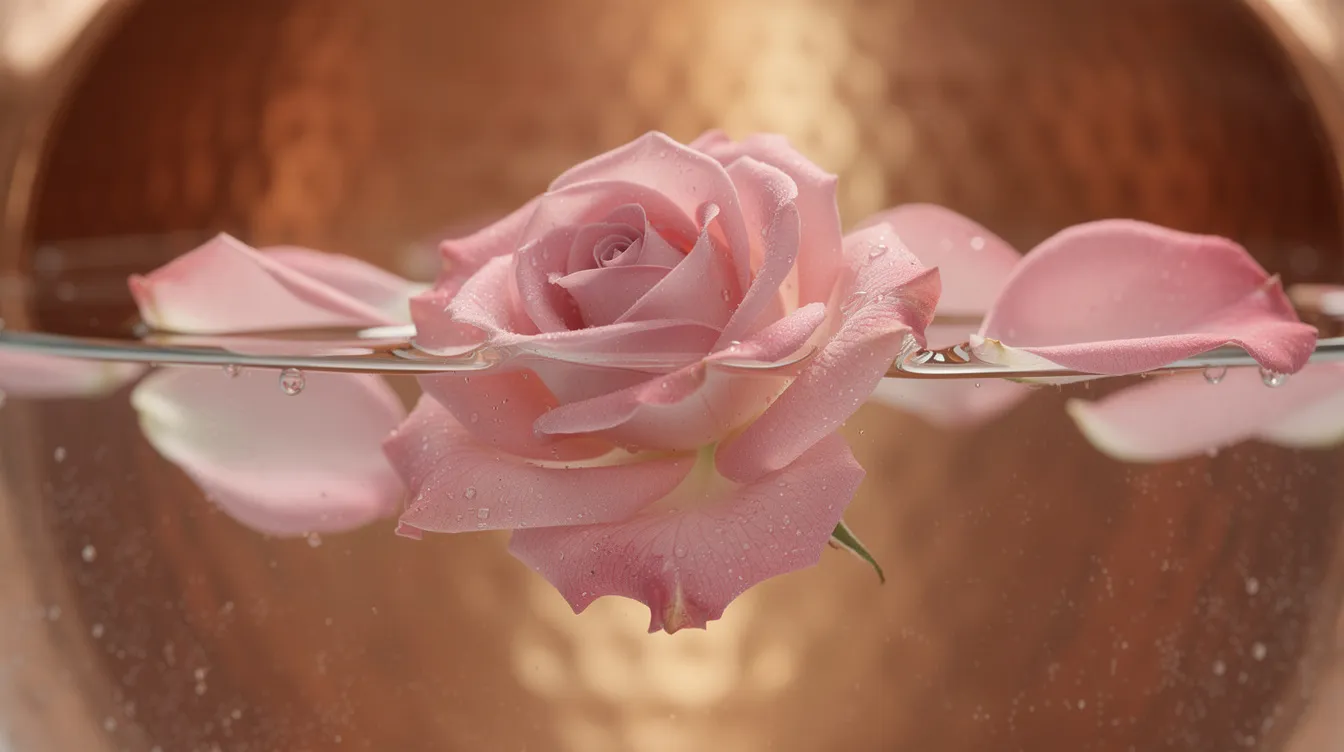
Unlike simple rose-scented sprays, true cosmetic rose hydrosol captures compounds such as geraniol, citronellol, and flavonoids during distillation. High-quality rose water should be clear, not cloudy, watery in consistency, and lightly fragrant. For face use, look for labels that say "100% steam-distilled rose water" with no added alcohol, color, or synthetic fragrance, and choose products packaged in opaque or amber glass to prevent light degradation.
The history of rose water dates back to 10th Century Persia, where scholars like Avicenna refined distillation techniques and documented its skin and medicinal uses. It features in Ayurvedic texts as "Gulab" and in Unani medicine as "Arq-i-Gulab." Today, rose water remains popular across K-beauty formulations and Western skincare routines alike.
Science‑Backed Benefits of Rose Water for the Face
Modern research on Rosa damascena supports several traditional claims about its skin benefits, though it is important to set expectations: rose water is a gentle helper in your skincare routine, not a miracle cure. A 2025 systematic review analyzing over 65 studies confirmed antioxidant, anti-inflammatory, and antimicrobial activity in rose extracts.
Antioxidant Protection
Antioxidant protection. Rose water contains antioxidants-polyphenols and flavonoids-that protect skin from free radicals generated by sun exposure and pollution. These compounds help neutralize oxidative stress, which in turn may soften the look of fine lines and support overall radiance. Lab studies have shown certain rose petal extracts outperforming controls like ascorbic acid in antioxidant and anti-aging assays.
Anti-inflammatory Support
Anti-inflammatory support. Rose water has anti-inflammatory properties that soothe skin irritation. Compounds in rose petals appear to calm inflammatory pathways (cytokines, NF-κB) in lab studies, which translates to less visible redness and more comfort for reactive skin. Rose water can help reduce redness and improve skin tone when used consistently.
Mild Antimicrobial Activity
Mild antimicrobial activity. Rose extracts show in vitro activity against Cutibacterium acnes and certain fungi. Rose water's antimicrobial properties are modest compared to clinical treatments but can lightly support acne prone skin alongside a complete routine.
Rosewater acts as a deep hydrator for the skin, and when layered under humectants like hyaluronic acid, it can produce a subtle plumping effect that smooths texture and contributes to more even skin tone over time, especially when you use a rose water formulated for daily skin and hair use.
Benefits of Rose Water on Face by Skin Type
Rosewater is suitable for all skin types, including sensitive skin, but the way you use it should shift based on your specific skin concerns.
Dry Skin
Dry skin. Rose water is a natural humectant that boosts skin hydration by drawing moisture into the outer layers. Apply it on slightly damp skin under richer creams or coconut oil to reduce tightness and flakiness. It supports the skin barrier without adding heaviness, making it an ideal light hydration step before occlusives in your nighttime skincare routine, especially if you follow broader natural beauty and self-care guidance for dry or sensitive skin.
Oily and Acne-Prone Skin
Oily and acne-prone skin. An alcohol-free rose water toner can lightly hydrate while helping balance your skin's natural oil production. It helps prevent acne by controlling excess oil production without stripping the barrier. Rosewater also acts as a gentle astringent to minimize the appearance of pores, and its soothing properties calm inflamed breakouts. It will not replace treatments like salicylic acid, but it clears leftover impurities and keeps excess oil in check.
Sensitive or Irritated Skin
Sensitive or irritated skin. Rose water's soothing effect on burning, itching, or redness makes it valuable for those who react to harsher toners. Rosewater may help soothe inflamed skin, like eczema or rosacea, though it complements rather than replaces medical treatment for those skin conditions.
Combination and Normal Skin
Combination and normal skin. Use rose water mainly as a refreshing rose water mist and pH-balancing toner. It maintains comfort across oily T-zones and drier cheeks, keeping your skin balanced and adding a calming fragrance to your routine.
How to Use Rose Water on Your Face (Morning, Night, and On‑the‑Go)
Timing and method determine how effectively rose water works. You can use it as a toner after cleansing, as a facial mist anytime, or as a targeted compress.

As a Toner
As a toner. Rose water can be used as a facial toner. After your morning or evening gentle cleanser, pour pure rose water onto a cotton pad or your fingertips and sweep it over slightly damp skin. Rose water can help balance the skin's pH after cleansing, sweep away leftover impurities from your cleanser, and prep your face for serums and moisturizers.
As a Facial Mist
As a facial mist. Decant rose water into a fine spray bottle and spritz from arm's length (about 20-25 cm) with eyes closed whenever skin feels dry or hot. Let it air-dry without rubbing. Spritz rose water on your face for hydration throughout the day-rosewater can provide a refreshing feel during the day, especially during screen-time fatigue or after workouts.
Bedtime Ritual
Bedtime ritual. Mist rose water, wait 30-60 seconds, then layer a serum containing hyaluronic acid or niacinamide, and finish with night cream. This simple sequence leverages overnight skin cells' restoration cycles for hydrated skin by morning.
Practical Habits
Practical habits. Keep a mini bottle at your desk or in your bag. Chilled rose water stored in the refrigerator adds extra soothing for irritated skin on hot days. Adding rose water to your daily skincare routine this way is low-effort and high-reward.
Targeted Uses: Dark Circles, Dark Spots, and Irritated Skin
Rose water is gentle, but some targeted methods can focus its many benefits on specific concerns.
Dark Circles and Under-Eye Puffiness
Dark circles and under-eye puffiness. Soak cotton pads in chilled rose water and place them over closed eyes for 10-15 minutes. Repeat several evenings a week. The cooling action combined with anti inflammatory compounds can temporarily reduce puffiness and brighten the under-eye area, giving dark circles a softer appearance.
Dark Spots and Uneven Skin Tone
Dark spots and uneven skin tone. Use rose water daily as a toner before brightening skincare ingredients like vitamin C or licorice extract. Research on Rosa damascena fermentation extracts shows melanin inhibition at concentrations around 0.05-0.5%, suggesting rose-derived compounds can support fading of old marks over weeks. Maintaining hydration and skin barrier health with rose water creates better conditions for these actives to work.
Irritated Skin and Redness
Irritated skin and redness. Soak a soft cloth in cool rose water and hold it against flushed areas-after sun exposure, post-exercise, or during flare-ups-for 5-10 minutes without rubbing. This can reduce heat and visible redness.
Rose water alone will not erase dark circles or hyperpigmentation. Treat it as a supportive step alongside sun protection, sleep, and targeted treatments rather than a standalone solution.
Rose Water Combinations: Aloe Vera, Hyaluronic Acid, and DIY Masks
Layering rose water with other gentle ingredients can enhance hydration and soothing effects while keeping your skincare regimen simple.
Rose Water + Aloe Vera
Rose water + aloe vera. Mix rose water with aloe vera gel (roughly equal parts) into a fluid gel mask. Apply a thin layer for 10-15 minutes to calm overheated or irritated skin during seasonal changes, then rinse or tissue off. This combination delivers similar benefits to pricier soothing masks and brings together the hydrating properties of both ingredients.
Rose Water + Hyaluronic Acid
Rose water + hyaluronic acid. Mist pure rose water onto clean, slightly damp skin, then immediately apply a serum with hyaluronic acid to trap water in the outer layers. Seal with a moisturizer. This layering technique combats dry skin and fine dehydration lines effectively, and works especially well in your nighttime skincare routine.
Rose Water in Clay or Oatmeal Masks
Rose water in clay or oatmeal masks. Rosewater can be mixed with clays (like fuller's earth) to create nourishing face masks. Replacing distilled water with rose water in these recipes reduces the risk of over-drying and adds extra anti inflammatory comfort, keeping skin cells hydrated rather than stripped, and learning about the different ways rose water is made and how to read labels helps you choose higher-quality options for DIY masks.
A Word of Caution
A word of caution. Avoid adding harsh ingredients like lemon juice or strong essential oils to rose water masks, especially if you have sensitive or acne prone skin. These additives can sting, compromise the skin barrier, and undo the soothing properties that make rose water valuable.
Other Ways to Use Rose Water: Makeup Removal, Setting, and Beyond
Rose water can multitask in your beauty routine well beyond basic toning, and a rosewater face and hair mist spray format makes it easy to use throughout the day.
As a Makeup Remover Base
As a makeup remover base. Rose water can be used as a gentle makeup remover. Mix it with a light natural oil like jojoba or sweet almond in your palm, apply with fingers or a cotton pad to dissolve makeup, then follow with a non-stripping gentle cleanser. This approach keeps skin hydrated and comfortable without clogged pores.
As a Makeup Setting Step
As a makeup setting step. After finishing makeup, mist your face lightly with a rose water mist from arm's length. This takes down powdery buildup and gives a subtle dewy finish without a heavy, sticky feel. Some people compare this to the effect of products like mario badescu facial spray, though you can achieve similar benefits with any quality pure rose water in a spray bottle.
Post-Exercise or Post-Sun Refresher
Post-exercise or post-sun refresher. Wipe cleansed skin with cool rose water or use a chilled mist to reduce heat, sweat residue, and mild redness without over-washing. The anti inflammatory properties help with skin damage from UV or heat, and some people also enjoy alternating with pure essential oils like rosemary in separate aromatherapy or body-care steps.
Other Uses
Rose water is also used on hair, scalp, and even the entire body in bathwater, but for facial purposes, a light mist around the neck and décolleté can extend the soothing, aromatic effect. Guides on how to use rose water for skin, hair, and scalp can help you build simple, effective routines. Rose aromatherapy through the scent alone may contribute to a sense of overall well being during your routine.
Safety, Side Effects, and Drinking Rose Water
Rose water is generally safe, but sensible use and a patch test are non-negotiable, especially for sensitive or allergy-prone skin.
How to Patch Test
How to patch test. Perform a patch test before using rose water on the skin. Apply a small amount to a discreet area-behind the ear or on the inner forearm-wait 24 hours, and watch for any reaction. The American Academy of Dermatology recommends this approach before introducing any new skincare product. When in doubt, consult a board certified dermatologist.
Possible Reactions
Possible reactions. Some people may experience allergic reactions to rose water. Signs of allergic reactions include burning or itching, redness, or rash. Rose water may irritate acne-prone skin due to essential oils, particularly compounds like geraniol and citronellol that act as sensitizers. Those with severe rose allergies should avoid rose water entirely. If skin irritation persists, discontinue use.
Interactions with Actives
Interactions with actives. Rose water is mild, but avoid using it to dilute strong acids or retinoids directly on skin. Instead, use it as a separate hydrating step to buffer potential irritation from those actives.
Drinking Rose Water
Drinking rose water. Only food-grade rose water or rose petals (not rose hips used for tea) should be ingested. Oral use has been explored for digestion and mood, but more research is needed. Drinking rose water is only advisable after checking with a healthcare professional, especially for pregnant people or those on medication. Well being claims around ingestion remain largely anecdotal.
Upgrade Your Routine with Pure Rosewater
Not all rosewater is created equal. For the best results, choose a 100% pure, steam-distilled rose hydrosol with no added fragrance or alcohol.
Our rosewater is a versatile essential for face, hair, scalp, and body—providing lightweight hydration, soothing care, and a refreshing finish without harsh additives.

- ✔ 100% pure steam-distilled rose water
- ✔ Alcohol-free
- ✔ Suitable for all skin types
- ✔ Ideal for daily misting, toning, and layering
FAQs
Can I use rose water on my face every day?
Most people can use alcohol-free rose water once or twice daily as a toner and several times a day as a facial mist without issues. If you have an extremely dry or compromised skin barrier, start with every other day and increase gradually while monitoring for tightness or stinging.
Should I rinse off rose water or leave it on my face?
Rose water is designed to be left on the skin like a toner or mist—rinsing is unnecessary and would reduce its hydrating properties. In DIY mask recipes (such as clay or aloe vera mixtures), rose water gets rinsed off together with the mask after the recommended time.
Is rose water enough to hydrate my dry skin?
Rose water alone provides light, temporary hydration but is not a complete moisturizer, especially for dry or mature skin. For best results, apply rose water, then a humectant serum containing hyaluronic acid, then a cream or oil to lock moisture in and achieve truly hydrated skin.
Can rose water replace my regular toner?
Rose water can replace harsh, alcohol-based toners for many people, especially if your main goals are hydration and soothing rather than exfoliation. If you use exfoliating toners with acids for acne, dark spots, or texture, keep those skin care products but use rose water at other times for comfort. Many people find that adding rose water as a second toner step complements their existing skincare routine.
How long does opened rose water stay fresh?
Properly stored, preservative-free rose hydrosol is usually best within 6-12 months after opening. Keep it in a cool, dark place or the refrigerator, and discard it if the scent, color, or clarity changes—these shifts may indicate spoilage. You can also make your own rose water at home using fresh rose petals and distilled water through simple stovetop steaming, though homemade versions lack preservatives and should be used within one to two weeks.


