


Is Rose Water Good for Oily Skin? (Benefits, How to Use & DIY Ideas)
Key Takeways
-
Yes, rose water can help oily skin by refreshing the face, balancing excess oil, and lightly tightening the look of pores.
-
Its antioxidant properties, hydrating properties, and mild astringent effect suit oily and combination skin without making skin greasy.
-
Choose pure rose water or rose hydrosol that is alcohol-free; synthetic fragrance and high levels of essential oils can trigger irritation.
-
Rose water is not a cure for severe acne, but it can support acne prone skin as part of a consistent skincare routine.
-
Always do a patch test first, especially if you have sensitive skin, fragrance allergies, or irritated skin.
Introduction: Why Oily Skin Needs Special Care
Oily skin happens when sebaceous glands produce more oil than the skin needs. The result is shine, enlarged pores, clogged pores, makeup that slides by midday, and frequent breakouts. Acne prone skin often overlaps with this because excess oil, dead skin cells, and bacteria can build up inside pores.
The challenge is balance. Harsh products can strip natural oils, causing tightness and sometimes more oil later. Heavy creams can feel suffocating. That is why many users look for a natural toner that can hydrate, refresh, and calm without weight.
Rose water has been an essential part of beauty rituals in Middle Eastern and South Asian cultures for centuries. Today, it has regained popularity as a toner and facial mist. So, is rose water good for oily skin? Let’s look at the benefits, downsides, and best skincare steps.

What Is Rose Water, Exactly?
Rose water is aromatic water made when rose petals are steam-distilled, often during essential oil extraction. The purest form is rose hydrosol, sometimes listed as Rosa damascena flower water.
There are three common types:
|
Type |
What it means |
|---|---|
|
Pure rose hydrosol |
Steam-distilled water from rose petals |
|
Homemade rose water |
Usually made by steeping rose petals in distilled water |
|
Rose-scented water |
Water plus fragrance, not always skin-friendly |
Pure rose water may contain trace essential oils, mild acids, and plant compounds with antioxidant properties. A study of rose hydrosol found aromatic compounds such as phenylethyl alcohol, nerol, linalool, and geraniol, which help explain its scent and potential soothing effects (source).
Traditionally, rose water is used in skin care, wellness sprays, and food, such as desserts or drinks. If you drink rose water, use only food-grade products, not skin care products that may contain preservatives.
Is Rose Water Good for Oily Skin? The Short Answer
Yes, rose water can be good for oily skin when it is pure, alcohol-free, and used consistently.
It may help because it:
-
removes light excess oil after cleansing
-
supports pH balance after a gentle cleanser
-
provides hydration without heavy moisture
-
offers soothing and antioxidant support for acne prone skin
Rose water is mild and moisturizing, making it ideal for all skin types, including oily, dry, sensitive, and combination skin.For combination skin, it can lightly hydrate cheeks while toning the T-zone. If you react to fragrance or have inflamed acne, patch test first.
Main Benefits of Rose Water for Oily and Acne Prone Skin
The main benefits of rose water are not dramatic overnight changes. The benefits of rose water are gentle, cumulative, and best when paired with good cleansing, moisturizer, and sunscreen.
1. Helps Control Excess Oil Without Over-Drying
For oily skin, rose water helps balance oil production and tightens pores, reducing the chances of breakouts. A fine rosewater face and hair mist spray can remove leftover oil after cleansing and reduce shine throughout the day, especially when applied in the morning before sunscreen.
Unlike harsh alcohol toners, rose water can refresh and hydrate the skin without causing dryness or irritation. Apply it with a cotton pad, cotton ball, or mist it from a spray bottle. Avoid formulas with drying alcohol, strong witch hazel, or heavy perfume, which may worsen rebound oiliness.
2. Supports pH Balance and Skin Barrier Health
Healthy skin has a slightly acidic surface. Some foaming cleansers push the face toward alkaline, leaving the skin’s barrier more reactive.
Rose water’s naturally mild profile can act like a reset after washing. Better pH balance may mean less irritation, steadier oil, and better absorption of serums or treatments. To effectively incorporate rose water into your skincare routine, apply it after cleansing and before moisturizing to enhance the absorption of other products.
3. Gentle Hydration for Oily, Combination, and Acne Prone Skin
Oily skin can still lack water. When dehydrated, it may look shiny but feel tight underneath.
Rose water behaves as a light water toner, giving hydration without thick butters or comedogenic natural oils. For very dry skin, rose water alone is not enough; layer it under a richer moisturizer or pair it with aloe vera.
Rose water can also be mixed with a moisturizer to help minimize potential skin peeling and enhance hydration, especially when using acne treatments.
4. Soothing Effect on Redness and Irritation
Rose water has anti inflammatory properties that make it beneficial for sensitive skin, helping to soothe irritation and redness. Its soothing properties may calm hot, over-cleansed, or post-breakout skin.
The anti-inflammatory properties of rose water can minimize inflammation and redness associated with acne, making it a natural remedy for oily skin prone to breakouts. It reduces redness temporarily for many people, but avoid using it on open wounds or freshly picked pimples.
5. Antioxidant Properties for Clearer, Glowing Skin
Antioxidants help protect the skin from free radicals caused by pollution, UV exposure, and daily stress. Rose water contains antioxidants that protect the skin from free radicals, which can help prevent acne and other skin issues related to excess oil.
These rose water benefits may support clearer skin tones, fewer dull patches, and glowing skin over time. Some research also notes mild antibacterial properties in rose-derived ingredients, but rose water should not replace acne medication.
Is Rose Water Good for Acne Prone and Combination Skin?
Yes, rose water good results are most likely when acne prone and combination skin need calm, light moisture, and less heaviness. It may indirectly help breakouts by preventing over-drying, which can lead to more oil and congestion.
That said, cystic or severe acne needs targeted care. Rose water is a helper, not a cure. If you use prescription products, salicylic acid, or retinoids, keep rose water simple and non-irritating.
How to Use Rose Water for Oily Skin: Step-by-Step Guide
Use a small amount regularly rather than soaking your face occasionally. Start with clean hands and clean skin, and explore ways to use rose water for skin, hair, and scalp that fit your routine.
Morning Routine for Oily Skin
-
Wash with a gentle cleanser and lukewarm water.
-
Pat dry.
-
Apply rose water toner with a cotton pad or mist lightly.
-
Wait 30–60 seconds.
-
Apply lightweight moisturizer.
-
Finish with sunscreen.
Using rose water in the morning can help reduce shine throughout the day, especially when applied before sunscreen.
Night Routine for Oily Skin
If wearing sunscreen or makeup, cleanse thoroughly. Apply rose water after cleansing, then use acne treatments once the skin is mostly dry. Seal with a gel moisturizer.
Be consistent for several weeks before judging rose water toner benefits.
Extra Uses: Facial Mist, Mask Mixer, and Under-Makeup Prep
Decant pure rose water into a fine spray bottle for a cooling facial mist. Use it under makeup to reduce powdery buildup, or mix it into clay masks for oil control. Store away from sunlight, or refrigerate for a cooler feel, especially if you use an updated rose water formula for hair and skin.

Potential Downsides and Side Effects for Oily Skin
Rose water is generally gentle, but not risk-free. Some individuals may experience allergic reactions to rose water, which can manifest as itching, hives, or swelling. In some cases, rose water may cause breakouts if it is not compatible with an individual’s skin type.
Sensitivity to fragrance in rose water can lead to skin reactions, particularly in those with sensitive skin. Some products include synthetic perfumes or essential oils at higher concentrations, which may irritate acne prone or reactive skin.
It is important to look for 100% pure, steam-distilled rose hydrosol or Rosa damascena flower water in rose water products to avoid synthetic fragrances that can irritate acne-prone skin. Choose pure rose, alcohol-free formulas when possible.
DIY Rose Water and Mask Recipes for Oily and Combination Skin
DIY recipes can be useful, but hygiene matters. Use clean tools, distilled water, organic rose petals or fresh rose petals, and refrigerate your own rose water. Homemade rose water has a short shelf life, so discard it if smell, color, or texture changes.
Rose Water and Clay Mask for Deep Oil Control
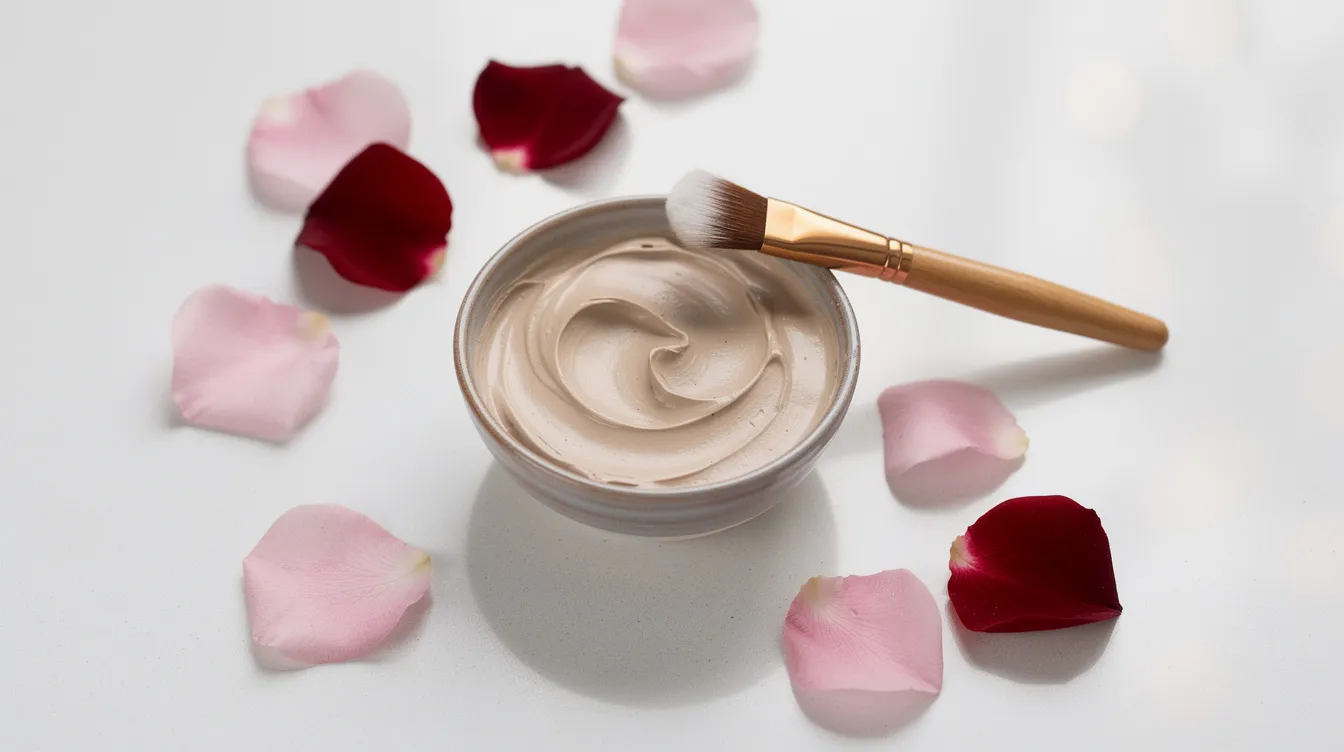
Mix cosmetic clay with enough rose water to form a paste. Apply a thin layer to oily areas, avoiding eyes and lips. Rinse before it fully cracks. Follow with toner and moisturizer. Use once or twice weekly, or alternate with a rosemary water mist spray for skin and hair if your skin tolerates it.
Rose Water and Aloe Vera Soothing Gel
Mix aloe vera gel with rose water in a clean container. Apply a thin layer at night or after sun exposure. Avoid aloe products with perfume, colorants, or heavy oils if you are acne prone.
Brightening Rose Water Mask with Gentle Ingredients
Mix rose water with a mild grain powder or soft clay. Leave on for 5–10 minutes, then rinse without scrubbing. Avoid lemon juice, citric acid, harsh scrubs, or strong vitamin c powders on inflamed skin, and consider gentler options like a tea tree water mist spray if your skin is very breakout-prone.
Can You Drink Rose Water for Skin Benefits?
Only food-grade rose water should be ingested. Some cultures use small amounts in drinks and desserts, but drinking rose water is not a guaranteed treatment for oily or acne prone skin.
Topical care, plain water, balanced meals, sleep, and stress management usually have a bigger impact on glowing skin, and some people also enjoy supporting overall wellness with pure essential oils like rosemary.
Who Should Use Rose Water-and Who Should Be Careful?
Rose water can suit many skin types: oily, acne prone, combination skin, normal skin, and mildly dry skin. Very dry or mature skin should layer it under richer creams.
Be careful if you have rose allergies, fragrance-sensitive skin, facial eczema, or very inflamed acne. Start once daily for a week. Stop if burning, swelling, worsening breakouts, or persistent redness occurs, and be equally cautious when introducing pure rosemary essential oil products or other concentrated botanicals into your routine.
Conclusion: Is Rose Water Worth Adding to an Oily Skin Routine?
Rose water is worth trying if you want a gentle, natural ingredient that can tone, hydrate, and soothe without heaviness. Its many benefits include mild oil control, light hydration, pH support, soothing effects, and antioxidant properties.
It works best as a supportive step in skin care, not a cure-all. Use pure rose water after cleansing, follow with moisturizer, protect with sunscreen, and watch how your skin responds over several weeks.
FAQs
These answers are general guidance and do not replace medical or dermatological advice.
How often can I use rose water if I have oily or acne prone skin?
Start once daily after cleansing. If there is no irritation, use it morning and night. A midday mist is fine, but avoid over-misting if skin feels sticky.
Can I use rose water with active ingredients like salicylic acid or retinoids?
Yes, many people can layer rose water before salicylic acid, niacinamide, or retinoids. Let it absorb first, then apply treatment and moisturizer.
Is rose water okay for dry skin, or is it only for oily types?
It can help dry skin too, but dry skin needs a richer moisturizer afterward to lock in moisture.
Can I spray rose water around my eyes?
Avoid spraying directly into eyes. If you want a cooling effect, apply a little to a cotton pad and press around the orbital bone, not on the lash line. Follow with eye cream if needed.
Is rose water safe during pregnancy or breastfeeding?
Pure cosmetic-grade rose water is generally considered gentle, but read labels carefully and avoid strong fragrance or high essential oils. Ask a healthcare provider if unsure.


