


Rose Water vs Rose Essence: What’s The Real Difference?
Key Takeaways
-
Rose water vs rose essence comes down to strength and purpose: rose water is a gentle, water-based fragrant liquid, while rose essence is a concentrated flavor or fragrance ingredient often used in drops.
-
Rose water, especially rose hydrosol, is usually made by steam distillation and is a go to choice for skin care, facial mists, light drinks, and delicate desserts.
-
Rose essence is typically alcohol-based, much more potent, and best for baking, syrups, confectionery, perfumes, and recipes that need bold rose flavor without extra liquid.
-
Pure rose water should be clear or slightly pale and made from rose petals, while rose essence can be natural, nature-identical, or artificial, so label checking matters.
-
This guide explains how to choose between rose water, rose essence, rose extract, rose oil, rose essential oil, and rose syrup for skincare, cooking, aromatherapy, and fragrance.
Introduction: Rose Water vs Rose Essence Explained Quickly
People often use “rose water,” “rose essence,” “rose extract,” and “rose oil” as if they mean the same thing. That confusion can ruin recipes, irritate skin, or make a product smell far stronger than expected.
Rose water is a fragrant water made from rose petals and water, usually by distillation or infusion. Rose essence is a concentrated form of rose aroma or flavor, often carried in alcohol or another solvent. This article focuses on the practical difference: ingredients, production methods, concentration, culinary uses, skin care uses, and how to choose the real thing in 2024–2026.
What Is Rose Water (Including Rose Hydrosol)?
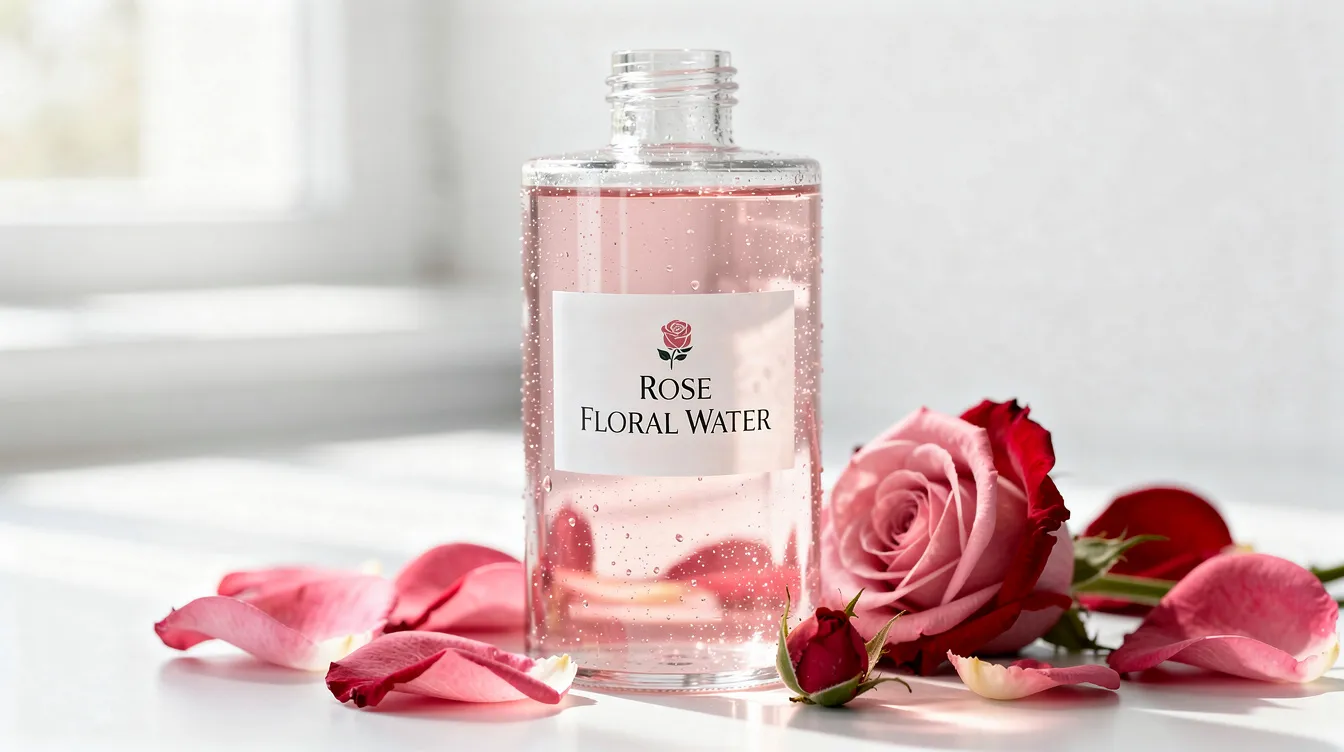
Rose water is a floral water made from real rose petals and water. It has a soft natural floral scent, mild taste, and delicate floral notes rather than a heavy perfume-like smell.
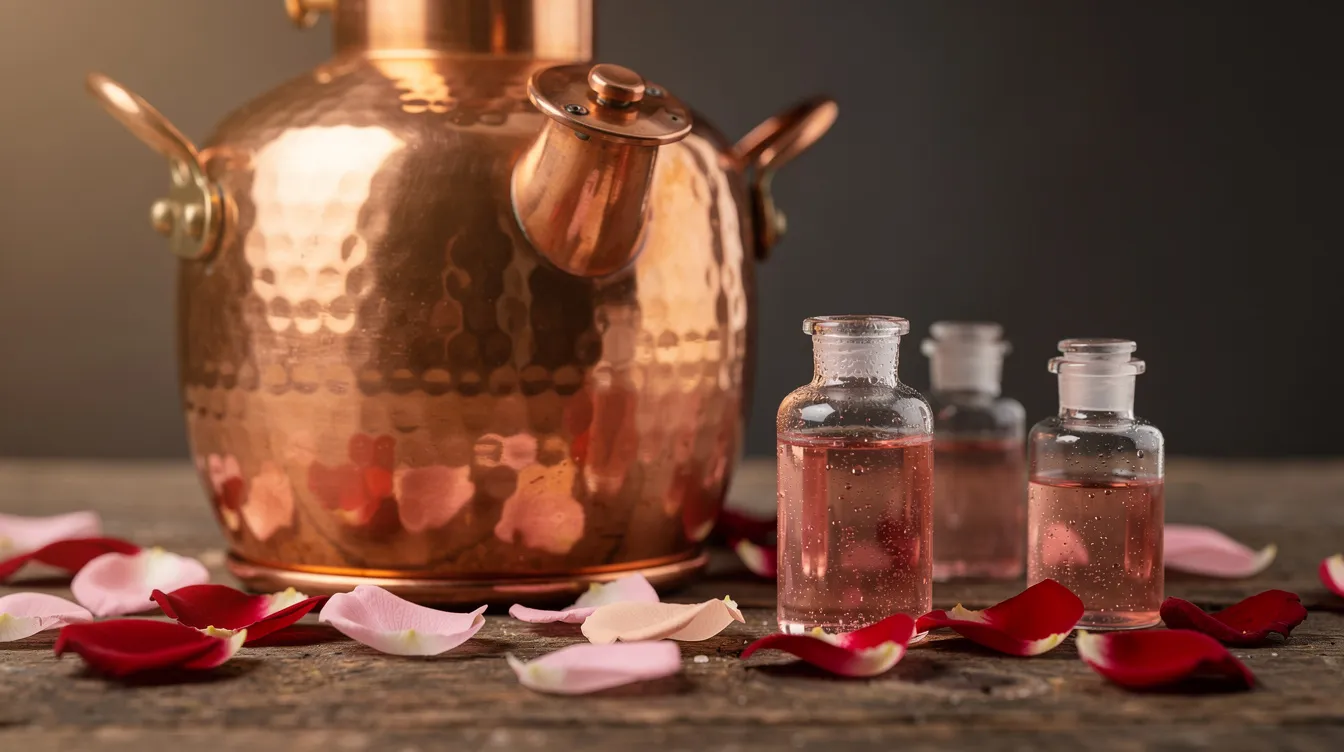
Rose water can be produced through various methods, including steam distillation, infusion, and blending essential oils with water. Steam distillation is the most common method for producing rose hydrosol, which is the aromatic water left behind after essential oil extraction. In this process, fresh rose petals are heated with steam, the vapor is cooled, and the resulting distillate separates into a small essential oil layer and a larger fragrant water phase.
Rose hydrosol is often considered the best rose water for purity because it naturally contains water soluble aromatic compounds from distilling rose petals, and modern formulations of rose water for daily skin and hair use build on this kind of gentle base. It is usually clear or very pale, not bright pink. Real rose water is typically clear or slightly pale; if it is brightly colored, pink, or red, it is likely artificially colored and not pure.
Rose water is primarily used as a facial toner, makeup setter, or refreshing mist to soothe and balance the skin. Rose water has been used for centuries for its soothing and anti-inflammatory properties, making it beneficial for calming irritated skin. Around the world, pure rose water is valued for its natural, eco-friendly benefits, offering a holistic alternative to chemical-based products. Rose hydrosol is known for its hydrating properties, helping to maintain skin moisture and balance oil production. The antioxidant properties of rose water can help protect the skin from damage caused by free radicals, promoting a healthier complexion.
Food-grade rose water is also a staple in Middle Eastern and South Asian culinary traditions, commonly used in beverages and desserts such as milk puddings, sherbets, rice sweets, and turkish delight, especially when you use authentic steam-distilled rose water rather than rose-scented water.
Pure Rose Water vs Diluted or Scented Rose Waters
Pure rose water should have only one ingredient: steam-distilled rose water or rose hydrosol, without any added fragrances, preservatives, or colors. On an ingredient label, that may appear as rose hydrosol, rose floral water, or Rosa damascena flower water.
Cheaper commercial products may be mostly plain distilled water with a little rose extract, fragrance, or color added. Some are acceptable as room sprays, but they are not the same as pure rose water for sensitive skin.
Here are the main label checks:
-
Look for one simple ingredient where possible.
-
Avoid generic “fragrance” or “parfum” for facial use.
-
Avoid added alcohol if your skin is dry or reactive.
-
Be cautious with bright color, especially intense pink or red.
-
Store rose hydrosol in dark glass, in a cool dark place, to protect the delicate aroma.
For skin care, pure hydrosol is usually the safer choice. For room sprays or perfumes, alcohol may improve projection and shelf life, but it changes how the product feels on skin.
What Is Rose Essence?
Rose essence is a highly concentrated flavoring or fragrance extract. In cooking, it is the small bottle you use when a recipe needs a clear rose taste without adding much liquid.
Rose essence is typically alcohol-based, requiring only a fraction of the amount to achieve the same potency as rose water. It may also use propylene glycol, glycerin, water, stabilizers, natural rose extract, or isolated aromatic compounds. Some versions come from roses; others are nature-identical or artificial.
The key point is strength. Rose water is mild, whereas rose essence is up to 8 to 10 times stronger. Concentration and potency of rose essence result in bold, concentrated flavor without thinning or diluting recipes. This is why just a few drops can flavor baked goods, buttercream, fondant, candy, or syrup.
Rose essence also maintains its potency when heated, making it suitable for baking. But too much can taste soapy, bitter, or artificial, so always start low.
Rose Essence vs Rose Extract vs Rose Oil
Rose extract usually refers to a stronger preparation made by extracting aromatic compounds from petals, often used as the base for culinary essence. It is similar in role to vanilla extract: a flavoring in liquid form, used in small measured amounts.
Rose oil, also called rose essential oil, is different. It is the oil soluble fraction from the distillation of rose petals. It is extremely concentrated, expensive, and potent. Rose oil should never be used undiluted on skin, and it should not be added directly to food unless it is specifically formulated and labeled for food use.
Some rose essence products are made by diluting rose oil or rose absolute into alcohol or another carrier. This makes the essence easier to dose than pure oil. As a rule of thumb, rose essence and rose extract are measured in drops, while rose water is measured in teaspoons or tablespoons.
Rose Water vs Rose Essence: Key Differences At a Glance
Here are the practical differences that matter most:
Concentration: Rose water is light and mild. Rose essence is concentrated and designed to make a strong impact with a few drops.
Base: Rose water is mostly fragrant water with water soluble aromatic compounds. Rose essence is often alcohol-based or solvent-based, with concentrated aroma molecules.
Production methods: Rose hydrosol is usually steam distilled. Essence is commonly made by blending rose extract, rose oil, or isolated aroma compounds into carriers.
Purity: Pure rose water comes from petals and water. Rose essence can be natural, nature-identical, or artificial.
Use: Rose water works well in skin care, mists, flavored water, lemonades, and delicate desserts. Rose essence works better in strong cakes, syrups, chocolates, buttercreams, and fragrance blends.
Skin suitability: Pure rose hydrosol is generally gentle for many skin types. Alcohol-heavy essence or synthetic fragrance should not be used as a facial toner, especially on sensitive skin.
Scientific profiling shows why these products smell different. Rose hydrosols often contain a high share of phenethyl alcohol in their volatile fraction, while rose essential oil contains more oil soluble terpenoid alcohols such as citronellol and geraniol. A review of rose products in Molecules highlights how extraction method changes the aroma profile.
How to Substitute: Rose Water and Rose Essence in Recipes
When substituting rose essence for rose water in recipes, start with 1–2 drops of essence for every teaspoon of rose water. Adjust to taste.
Do not replace tablespoons of rose water with tablespoons of essence. The dish can become overpowering and may carry too much alcohol or artificial flavor.
Going the other way is harder. If a recipe calls for essence and you use rose water instead, you may need much more liquid, which can thin batters, icings, or syrups. Always ensure you use food-grade rose products for your cooking to avoid overpowering dishes with floral flavor.
Production Methods and Quality: From Petal to Bottle
How a rose product is made affects its aroma, safety, shelf life, and skin-friendliness.
In steam distillation, fresh rose petals are exposed to steam, the vapor is condensed, and the essential oil is separated from the fragrant water. This steam distilled water is rose hydrosol. Research summaries on rosewater note that hydrosol is the main liquid distillate, while the essential oil yield is very small.
The infusion method is simpler. The infusion method involves steeping rose petals in hot water for several hours, resulting in a milder version of rose water compared to steam distillation. This homemade style can smell lovely, but it is more perishable and less consistent than professional hydrosol.
A third method blends essential oil with water. Because oil does not naturally mix with water, this usually requires solubilizers or alcohol. That can be fine for sprays, but it is not the same as true hydrosol.
For rose essence, producers concentrate aromatic compounds from organic rose petals or other sources, then dissolve them into alcohol or another carrier. Quality depends on raw petals, temperature control, clean processing, honest labeling, and avoiding harsh chemicals where possible.
Natural vs Synthetic Aroma Compounds
Natural rose hydrosol contains a complex mix of aromatic compounds, including traces related to rose oil. That complexity is why real hydrosol smells soft, fresh, and slightly green.
Many commercial rose essences use key aroma molecules such as phenethyl alcohol, citronellol, geraniol, or nerol to mimic roses. These molecules may be natural or synthesized. Synthetic essence can be consistent, affordable, and useful in baking, but it may not have the same rich nuance as the real thing from petals.
If you want holistic skin care or gentle aromatherapy, choose pure hydrosol and explore natural beauty and self-care routines that emphasize gentle ingredients. If you need repeatable rose flavor in baked goods, a standardized food-grade essence may be more practical. Look for “natural flavor,” “rose extract,” or clear sourcing language if natural origin matters to you.
Uses in Skin Care, Aromatherapy, and Culinary Creations
Rose water and rose essence both have a place, but they are not interchangeable.
Use rose water or rose hydrosol for everyday misting products like a rosewater face and hair mist spray as well as for:
-
Facial toner after cleansing
-
Makeup setting mist
-
Clay mask activator
-
Post-sun cooling spray
-
Hair rinse
-
Pillow mist or meditation spray
-
Light drinks, iced tea, lemonade, and milk-based desserts
Rose water’s mild aroma makes it ideal when you want a delicate result. It adds a soft rose note to fruit, yogurt, rice pudding, and other desserts without tasting like perfume.
Note: IWELL US rosewater products are formulated for external use on the skin and hair only and are not intended for consumption.
Use rose essence for:
-
Cakes and cupcakes
-
Buttercreams and fondants
-
Macarons and chocolates
-
Rose syrup
-
Candy-style fillings
-
Strong perfume accords
-
Recipes where extra water would damage texture
Because essence is concentrated, a few drops can give a clear rose flavor without changing the structure of a glaze, cream, or batter.
In aromatherapy, rose hydrosol is softer and less invasive than essential oil. It works well as a body mist or linen spray, or alongside pure essential and carrier oils when you want to build custom blends. Rose essence and rose oil belong in more controlled fragrance work, where dilution and safety matter.
Where Rose Oil and Rose Syrup Fit In
Rose oil, or rose essential oil, is the concentrated oil fraction from distillation. It is rich, potent, and used in high-end fragrance and advanced aromatherapy, similar to other 100% pure essential oils like rosemary. It must be diluted in carrier oil for skin use and should not be casually added to food or drinks.
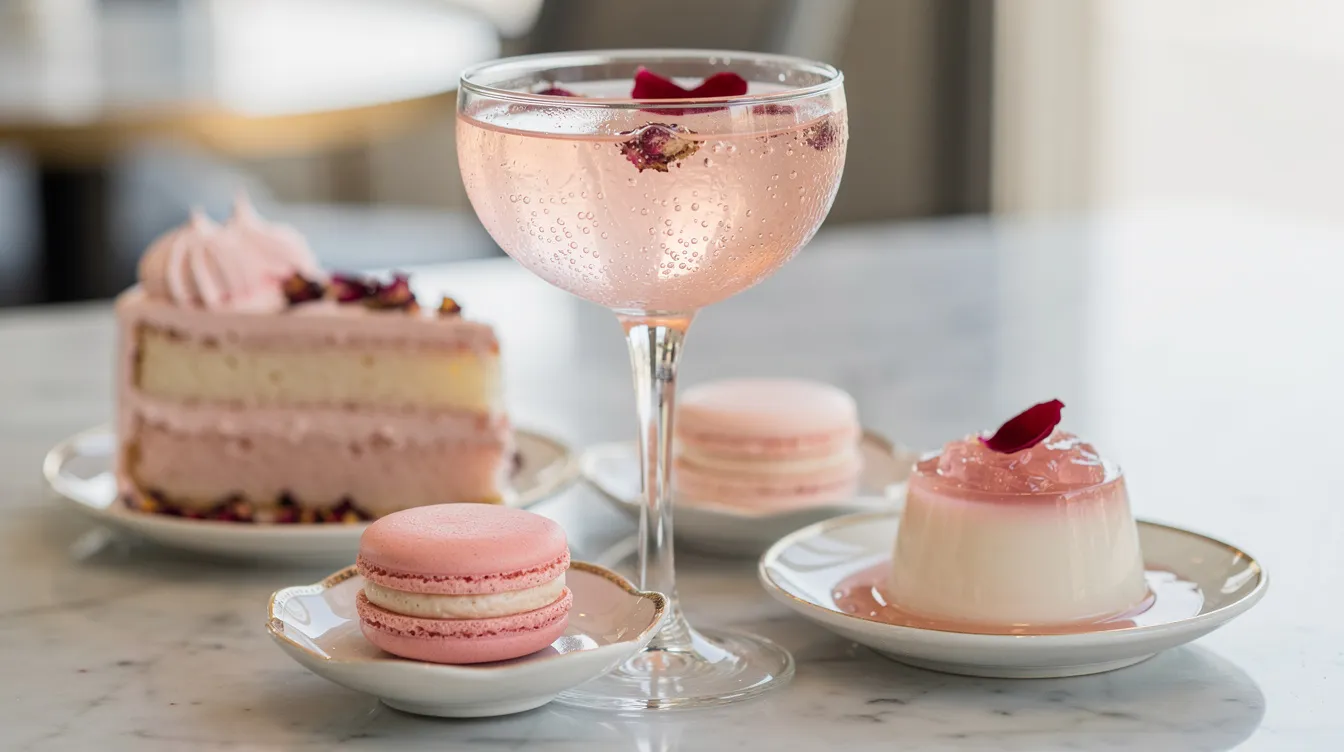
Rose syrup is different again. It is a sweet syrup flavored with rose water, rose essence, or both. It is often bright pink and used in drinks, shaved ice, desserts, and toppings. Its color and taste depend on whether it uses natural hydrosol, essence, dyes, or artificial flavor.
Simple pairing ideas:
-
Rose syrup in sparkling water or iced tea
-
Rose water in yogurt, fruit, or rice pudding
-
Rose essence in baked goods needing a strong candy-like rose note
How to Choose The Right Rose Product For Your Needs
Choose based on the job.
If you want a daily facial toner, choose pure rose hydrosol with minimal ingredients; if you prefer a different botanical option, a rosemary water mist spray for skin and hair offers a comparable multipurpose floral water. If you want a strongly flavored cake, choose culinary rose essence. If you want floral lemonade, choose rose water or rose syrup. If you are blending perfume, use properly diluted rose oil, absolute, extract, or essence depending on the aroma you want.
When buying, check:
-
Ingredient list
-
Food-grade or cosmetic labeling
-
Whether alcohol is present
-
Whether color is added
-
Bottle type and storage guidance
-
Sourcing and production methods
Choose brands that are transparent about their sourcing and production methods, and look for organic or cruelty-free options to ensure quality and sustainability. At IWELL US, we recommend treating rose products the same way you would any botanical product: read the label, start with the lowest useful concentration, and patch-test if applying to skin.
FAQs
Is rose essence stronger than rose water?
Yes. Rose essence is much stronger than rose water in both aroma and taste. Rose water is usually used in teaspoons or tablespoons, while rose essence is used in drops.
This is why essence works well in concentrated desserts, syrups, and perfumes. Using the same volume of essence as rose water will overpower a recipe and may add too much alcohol or artificial flavor.
Can I use rose essence on my face instead of rose water?
No, standard culinary or perfumery rose essence should not be used directly on the face. Many essences contain alcohol, synthetic flavor, fragrance, or solvent carriers that may irritate skin.
For facial use, choose pure rose water or pure rose hydrosol without alcohol, dyes, or synthetic fragrance. If you have sensitive skin, patch-test first.
How can I tell if my rose water is a true hydrosol?
Check for a simple ingredient such as “Rosa damascena flower water,” “rose hydrosol,” or “steam-distilled rose water.” True hydrosol is usually clear or slightly pale, not bright pink.
A soft natural smell is also a good sign. A sharp perfume-like aroma may suggest added fragrance.
Is rose water safe to drink?
Food-grade rose water made for culinary uses is generally safe in small amounts in drinks and recipes. Cosmetic-only rose water may contain preservatives, alcohol, or fragrance that are not intended for ingestion.
Always check that the bottle is labeled for food or culinary use before adding it to beverages or desserts.
Does rose essence always come from real roses?
No. Rose essence does not always come from real roses. It may be made from natural rose extract, nature-identical aroma compounds, or artificial flavoring.
Synthetic essence can still be useful and safe for baking when it is food-grade, but it does not offer the same nuanced profile as true rose hydrosol or extract from petals.


