


Oils for Frizzy Hair: The Complete Guide to Smooth, Shiny Strands
Key Takeaways
-
Frizzy hair is mainly caused by dryness and cuticle damage, not “too much moisture”—when the cuticle layer lifts, humidity enters and causes swelling.
-
The best oils for frizzy hair (like almond oil and grape seed oil) help seal the cuticle, add shine, and protect against heat and humidity.
-
Different hair types require different textures of oils: fine hair needs a lightweight hair oil, while coarse or damaged hair benefits from richer seed oil blends.
-
Consistent, small daily use on mid-lengths and split ends works better than heavy, occasional treatments.
-
Natural oils and essential oils can support frizz control, but they must be used correctly—right amount, right placement, and proper dilution for essential oils.
Introduction
Struggling with hair that seems to have a mind of its own? You’re not alone. Studies show that 60% of women report dealing with hair frizz regularly, with 70% tracing it back to dryness. This guide is for anyone struggling with frizzy hair—whether your hair is fine, wavy, curly, or coarse—and looking for practical, science-backed solutions. Managing frizz is a common challenge, but the right oils can make a significant difference in hair health and appearance. The good news: many hair oils offer a simple, effective solution. This guide breaks down exactly how oils work, which ones suit your hair type, and how to use them for smooth, healthy looking hair.

Understanding Frizzy Hair: What’s Really Going On
Frizz happens when the hair’s cuticle layer lifts, allowing moisture to penetrate and dehydrate the strands, which results in dryness and frizz.
Frizz is a symptom of a raised, rough cuticle layer combined with internal dryness—a common problem in 2026 as frequent heat styling, coloring, and environmental stressors take their toll on strands.
In a healthy state, the hair cuticle consists of overlapping, flat scales made of keratin proteins that lie smooth and parallel. This structure reflects light for shine while sealing in natural moisture. When this layer is damaged, scales lift, and that characteristic frizzy halo appears around your head.
Environmental factors worsen the problem significantly. High humidity causes hygroscopic hair fibers to absorb atmospheric water, swelling the hair shaft by up to 15-30% depending on porosity. UV radiation breaks down cuticle proteins, and hard water minerals deposit on the surface, roughening it further. Heat styling without proper heat protection can raise cuticle scales through thermal expansion, increasing friction between strands by up to 50%.
Here’s something many people don’t realize: scalp sebum—the natural oil your scalp produces—has limited migration down the hair shaft. This is especially true for curly hair and wavy hair, where bends impede flow. Studies show sebum levels drop exponentially beyond 2-3 inches from the scalp, leaving mid-lengths and ends vulnerable to dehydrated hair and frizz.
Using oils can help seal the hair cuticle, which can reduce frizz and enhance shine by preventing moisture loss. Oils counteract dryness by forming a protective film on the cuticle, reducing water ingress by 20-40% in lab tests.
How Hair Oils Work for Frizz Control
Most hair oils coat the outer cuticle layer to smooth down raised scales, creating a sleek surface that reflects light and adds shine. Using oils can help seal the hair cuticle, which can reduce frizz and enhance shine by preventing moisture loss.
Understanding the science behind oils helps you use them more effectively. Most hair oils coat the outer cuticle layer to smooth down raised scales, creating a sleek surface that reflects light and adds shine.
Plant-derived and seed oil varieties interact with hair fiber through adsorption and occlusion. Their fatty acid chains spread into a thin layer on the cuticle, filling micro-roughnesses and lowering surface energy. This dramatically reduces inter-fiber friction—from around 0.3-0.5 μN on dry damaged hair to under 0.1 μN on oiled hair. Oils slow the diffusion of water molecules from humid air into the hair fiber, which is the primary cause of frizz-induced swelling.
Different oils have varying molecular sizes, which matters for your hair type. Lighter oils are better for fine hair and wavy hair, while richer oils suit coarse hair or very damaged hair. Using oils can help hydrate dry hair and the scalp, as they can penetrate the hair shaft and provide essential nutrients.
To effectively control hair frizz, oils that either penetrate the hair shaft to moisturize from within or seal the outer cuticle to block humidity are recommended. Some oils provide light, natural heat protection by helping distribute heat evenly, reducing peak temperatures by 10-20°C during flat-ironing. However, they’re not a complete substitute for dedicated heat protectant products.
Essential oils play a different role—they’re mainly scalp-supportive (soothing, stimulating circulation) and should always be diluted in carrier oils, not used alone for frizz control.
Choosing the Best Oil for Your Hair Type and Frizz Level
Oil choice should consider hair texture (fine, medium, coarse), pattern (straight, wavy, curly), and the extent of damaged hair. Experts recommend choosing an oil based on your hair’s specific texture and porosity to avoid weighing it down or leaving a greasy residue.
For fine hair and easily weighed-down hair, lightweight hair oil formulas work best. Think grape seed or blends designed to feel weightless. Fine hair (diameter under 50 μm) demands ultra-light options with high polyunsaturated fats to penetrate without flattening the shaft.
Medium to thick hair or high-porosity hair can handle richer seed oil and nut oil blends, including sweet almond oil, for more intense frizz control. Thicker oils, like castor oil, act best on coarse hair, while lighter oils, like almond, suit finer hair.
Hair porosity matters too. Testing is simple: if hair sinks in salted water in under 2 minutes, it’s high-porosity. Low porosity hair needs lighter esters for penetration, while high-porosity hair requires occlusives. Wavy hair often needs balance—a light oil on damp hair to define waves and prevent frizz without collapsing volume at the roots.
Those with noticeable split ends and breakage should prioritize reparative, emollient oils and more frequent pre-shampoo treatments.
Signs You Need a Lightweight vs. Richer Hair Oil
Indicators the oil is too heavy:
-
Hair looks greasy within 4-6 hours
-
Fine hair loses volume at the crown
-
Waves or curls clump unevenly or look stringy
-
Hair feeling greasy even after washing
Signs a richer oil is appropriate:
-
Chronic frizz even after conditioning
-
Visibly rough or dull mid-lengths
-
Frequent tangling and snapping when brushing
-
Very dry hair that drinks up lighter products
Start with a lightweight hair oil if unsure and gradually increase richness or amount over a week to see how hair responds.
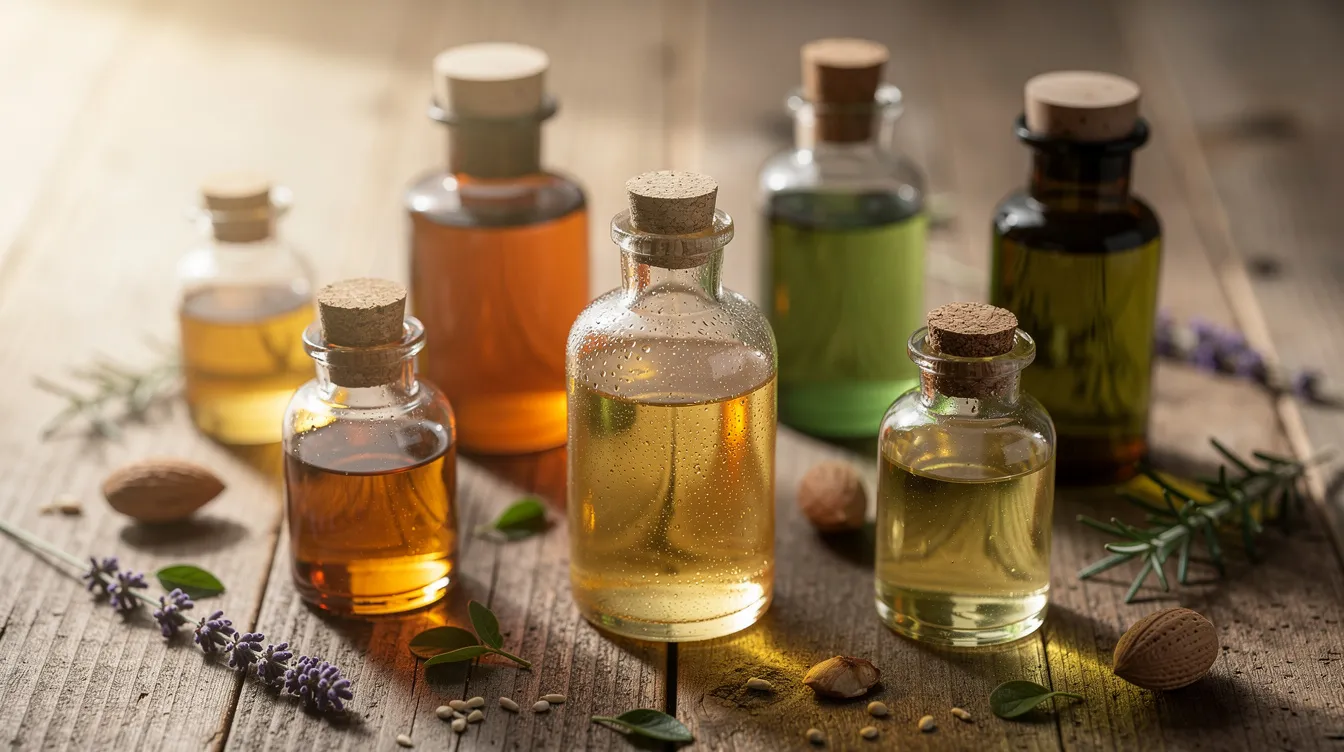
Top Oils for Frizzy Hair (and How They Help)
This section focuses on specific oils and what frizz-related problems they best address. Hair oils can help smooth the hair cuticle and reduce styling breakage while minimizing frizz, making them beneficial for overall hair health.
Seed oils tend to be high in fatty acids that soften hair and improve flexibility, helping prevent breakage and frizzy, snapped-off ends. Combining more than one oil—for example, a light grape seed oil with a richer almond oil—can balance weight and nourishment for customized results.
Almond Oil for Smoothness and Split Ends

Almond oil is a classic nut oil rich in omega-9 fatty acids (about 70%) and vitamin E (200-300 IU per 100g), making it ideal for frizz and split ends. Sweet almond oil is rich in proteins, vitamins, and minerals, providing hydration and moisture to help tame frizz and protect the hair shaft from environmental damage.
This oil coats the hair shaft, softening rough areas and making the cuticle lie flatter—SEM imaging shows a 10-15% improvement. The result is immediately reduced visible frizz and dryness. It works especially well on dry ends, color-treated hair, and areas prone to breakage while remaining manageable for medium and wavy hair when used sparingly (2-5 drops). Combing tests show a 30% reduction in breakage.
Important: People with tree nut allergies should avoid almond oil and choose alternative seed oil options instead.
Grape Seed Oil as a Lightweight Hair Oil Hero

Grape seed oil is a super light, fast-absorbing natural carrier oil high in linoleic acid (70%) and vitamin E, ideal for finer or easily weighed-down hair. With a viscosity of around 30 cP, it absorbs in under one minute. Grape seed oil is a lightweight oil that contains Vitamin E and linoleic acid, which helps to restore strength and shine while preventing frizz and split ends.
This lightweight formula adds shine and frizz control without greasiness, making it suitable for everyday use on wavy hair and straight hair with flyaways—studies show a 25% shine boost. It’s particularly helpful for preventing split ends from worsening by sealing in moisture and giving ends a smooth, glassier appearance.
Use grape seed oil alone as a simple, non greasy option or as the base of a custom blend with richer oils for added nourishment.
Other Nourishing Oils for Damaged, Frizzy Hair

Coconut oil is more occlusive and works best as a pre-shampoo treatment for highly porous hair rather than a daily styling oil for fine hair. Coconut oil contains lauric acid, which allows it to penetrate deeply into the hair shaft to prevent protein loss and add weight, which “grounds” frizz. A few specific oils, like coconut and sunflower oil, have a molecular structure small enough to penetrate the hair shaft, reducing protein loss and strengthening the hair’s core.

Avocado oil is rich and creamy (60-70% oleic acid, plus vitamins A, D, and E), excellent for very dry, heat-damaged, or chemically processed hair that needs deep nourishment and elasticity—studies show a 35% improvement in tensile strength.

Argan oil is a lightweight oil that is effective for taming frizz and adding shine without weighing hair down. It’s often used for glossy shine and smoother texture on mid-lengths and ends. Natural oils like argan and jojoba are often recommended for frizz control because they are lightweight and can be easily absorbed without leaving a greasy residue.

Jojoba oil is often recommended for its ability to mimic natural sebum, making it easily absorbed and non-greasy, which helps in moisturizing the scalp and hair. Olive oil and similar options act as moisture-sealing emollients, enhancing shine and softness in hair.

Castor oil is ideal for strengthening and reducing frizz in thick hair or coarse hair, usually best when mixed with lighter oils due to its thickness; options like Jamaican Black Castor Oil are especially popular for this purpose.
Balancing Carrier Oils and Essential Oils
Carrier oils (like almond oil and grape seed oil) moisturize and smooth, providing about 95% of the moisture barrier and are central to many natural hair care routines. Essential oils contribute targeted scalp and hair benefits—for example, rosemary oil stimulates circulation via its 1,8-cineole content, supporting hair growth by 20-30% in some studies.
Essential oils (such as rosemary, peppermint, or tea tree) must always be diluted in carrier oils to avoid irritation, especially on sensitive scalps. A safe ratio is a few drops of essential oil (2-5 drops) per tablespoon of carrier oil.
While essential oils are not the primary tool for frizz control, they can support overall hair health and scalp balance, which indirectly improves hair texture and shine over time. Some blends may even help address concerns like hair growth support when used consistently.
When and How to Apply Oils for Maximum Frizz Control
Application timing and technique can make the difference between glossy, smooth hair and limp, greasy strands. Get this right, and you’ll see a nice shine without weighing hair down.
For best results, apply hair oil to damp, towel dried hair after showering, allowing the oil to absorb as the hair dries. This works because capillary action distributes oil 2-3x more evenly than on wet or dry hair that’s completely soaked or bone-dry.
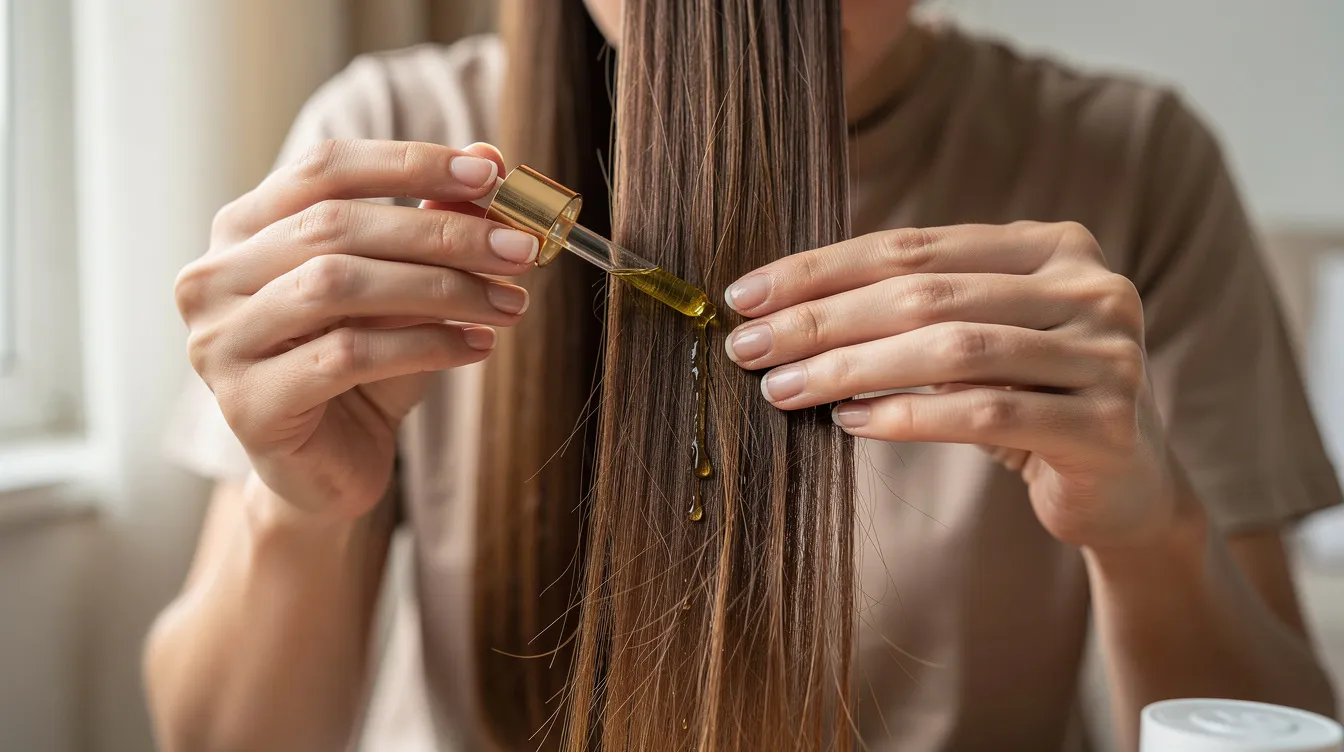
When using hair oil, start by applying it to the ends of your hair and work your way up, avoiding the roots unless the product is intended for the scalp. Applying oil mostly from mid-lengths to ends avoids a greasy look on the scalp. This keeps the surrounding hair at the crown voluminous.
Warm oil should be rubbed between palms to ensure even distribution before applying. Less is more—use only a few drops of hair oil, especially for finer hair types, to avoid a greasy appearance. Start with just a few drops (2-3 for fine hair, 5-8 for thick hair), then adjust based on hair density and length over several uses.
To tame flyaways on dry hair, apply extremely small amounts as a finishing step. A wide tooth comb can help distribute product evenly through lengths, and pairing oils with a gentle rice shampoo and conditioner can further support smooth, frizz-controlled hair.
Pre-Wash Oil Treatments vs. Leave-In Use
Pre-wash oiling (pre-poo):
-
Apply a generous amount to dry hair and scalp
-
Focus on damaged areas—mid-lengths to ends
-
For pre-wash treatments, apply the oil from mid-lengths to ends and to the scalp if it feels dry, massaging it in and letting it sit for at least 10 minutes before washing
-
Leave on for 20-60 minutes, or overnight for 2x absorption (use a shower cap)
-
Wrap hair in a warm towel to boost penetration
-
Shampoo thoroughly after—sometimes twice
-
Ideal for highly damaged hair, frequent heat users, or visible frizz along entire length
Leave-in use:
-
Apply a small amount to damp or dry lengths and ends
-
Adjust quantity based on hair type (less for fine hair, more for thick/coarse hair)
-
Perfect for daily frizz management and adding shine
-
Works well layered with a leave in conditioner
Using Oils Alongside Heat Styling
Oil can complement, but not fully replace, dedicated heat protection products for heat styling. A thin layer of oil helps distribute heat more evenly on the hair surface, reducing friction and helping with smoother flat-iron or blow-dry results.
Apply a small amount of oil on damp hair, followed by a heat protectant, before using a blow dryer, curling iron, or straightener for best frizz control and shine. This combination can reduce friction by about 30%.
Caution: Don’t apply large amounts of oil immediately before high-heat styling. This can cause overheating of the hair shaft and potential damage. Keep temperatures at or below 180°C, and avoid hot water when rinsing to preserve the cuticle seal.
Building a Frizz-Fighting Routine with Oils and Other Hair Products
Oils work best as part of a consistent hair care routine, not a one-time fix. Here’s a simple weekly structure:
-
Wash days: Gentle sulfate-free shampoo, hydrating conditioner
-
Deep treatment: Hair mask 1-2x per week for internal moisture
-
Oil application: Pre-wash treatment once weekly, leave-in on damp hair 3-5x weekly
-
Styling: Layer oils with lightweight styling products (creams, gels) for defined curls and waves
For fine hair, layer a small amount of oil with light, water-based styling products rather than stacking multiple heavy creams and serums. Oils seal moisture in, while conditioners and masks provide the internal hydration—both are needed.
Keep a hair diary for a couple of weeks, noting how much oil was used, on which days, and how hair reacted in different weather conditions. Studies show frizz increases 50% when humidity exceeds 70% RH, so you may need to adjust application on humid days.
Special Considerations for Different Hair Types
Fine hair:
-
Use ultra-light oils or oil blends, applied sparingly to the last few inches only
-
Apply preferably at night or on damp hair
-
Avoid drugstore hair oil products that contain heavy silicones
Wavy hair:
-
Use a moderate amount of oil on damp hair to encourage definition and reduce halo frizz
-
Refresh with a tiny drop on dry waves as needed
-
A lightweight formula with linseed extract can boosts shine without crunch, and incorporating rice bran oil can add additional softness and protection
Curly/coily hair:
-
Use richer oils and more generous application
-
Include pre-wash treatments regularly using products suited to coily hair types
-
Apply section-by-section for even coverage on curly hair
Color-treated or chemically straightened hair:
-
Focus on regular oil treatments to counter dryness (chemical processes cause 40% moisture loss)
-
Prevent split ends and keep the cuticle smooth between salon visits
-
Oil can add shine that helps color look more vibrant
Common Mistakes When Using Oils for Frizzy Hair
Even great oils can backfire if applied incorrectly or used in excess. Here are the pitfalls to avoid:
-
Overuse: Applying too much oil at once leads to limp, greasy hair and clogged styling results. More than 0.5 mL per 10g of hair is typically excessive.
-
Root application on non-dry scalps: This causes buildup and weighs down fine hair near the crown. Unless treating a dry scalp specifically, keep oils away from roots.
-
Product layering without clarifying: Stacking thick oils, butters, and rich creams without occasional clarifying shampoos leaves hair dull and resistant to styling. Clarify monthly at minimum.
-
Expecting oils to heal split ends: No oil can permanently repair split ends. While oils can prevent new damage and improve appearance, professional dusting or trims are still necessary for healthy looking hair.
-
Ignoring oily hair signs: If hair products cause greasiness quickly, you may need a lighter oil or less frequent application.
Remember: oils cannot completely eliminate frizz if your hair is severely damaged. They’re one piece of a larger strategy that includes regular trims, proper washing, and protection from environmental damage.
FAQs
How often should I use hair oil for frizz control?
Most people do well using a small amount of oil on damp or dry hair 3-5 times per week, adjusting frequency based on hair dryness and climate. Daily use works for very dry, coarse, or high-porosity hair, while fine hair or oily hair may prefer every other day or just on wash days. Pre-wash oil treatments can be done once or twice a week for damaged hair, with lighter, leave-in applications on other days. Industry experts recommend starting with less frequent use and increasing gradually while monitoring how your hair looks and feels.
Can I use oils on color-treated or chemically straightened hair?
Oils are generally very beneficial for color-treated and chemically processed hair because they help restore softness and reduce breakage-related frizz. Focus oil on mid-lengths and ends, where color and chemical processes cause the most dryness, rather than saturating the roots. Regular oiling can help keep color-treated hair shinier between appointments by smoothing the cuticle and reflecting more light—this makes a huge difference in vibrancy. Do a strand test when trying a new oil blend to ensure it feels comfortable and doesn’t alter the way the color reflects light.
Are oils enough to replace my conditioner or mask?
Oils and conditioners serve different roles: oils seal and smooth, while conditioners and masks provide internal hydration and conditioning agents. For most hair types, oils should complement—not replace—conditioners and masks, especially if hair is very dry or damaged. On busy days, a light oil application on damp hair can stand in for leave in conditioner, but regular deep conditioning with a hair mask remains important. Long-term frizz management relies on a complete routine combining cleansing, conditioning, and targeted oil use.
Can I sleep with oil in my hair overnight?
Overnight oil treatments are safe for most people and can be very helpful for extremely dry, frizzy, or damaged hair. Apply a moderate amount of oil to lengths and ends, braid or loosely tie hair, and protect your pillowcase with a towel or use a shower cap or bonnet. In the morning, shampoo your hair thoroughly—sometimes twice—to ensure all excess oil is removed and to avoid any residue buildup. Start with once a week overnight oiling and adjust based on how easily the hair and scalp rinse clean.
What if my hair looks greasy even when I use just a little oil?
This often means the oil is too rich for your hair type, applied too close to the roots, or layered on top of heavy styling products. Switch to a lighter seed oil like grape seed, use fewer drops, and apply only to the very ends at first. Applying oil only on damp hair for a while can help with more even distribution and reduce the appearance of greasiness. If buildup has already occurred, clarify your hair occasionally with a gentle, deeper-cleansing shampoo to reset things beauty-wise before reintroducing oil and to prevent greasy hair.
With the right oil and a consistent routine, frizzy hair doesn’t have to be your daily struggle. Start with a single oil suited to your hair type, use a few drops on damp lengths, and track your results over two weeks. Small adjustments add up to smooth, shiny strands that finally behave the way you want them to.


