


Why Is My Hair Falling Out? Causes, Risk Factors & Natural Support
Noticing more hair on your pillow or in the shower drain can feel alarming. Understanding the difference between normal shedding and actual hair loss is the first step toward finding the right support for your scalp and strands.
This guide is for anyone concerned about increased hair shedding or visible thinning, whether due to recent life changes, health issues, or ongoing hair care routines. Understanding the causes and solutions can help you take early action, reduce anxiety, and support healthier hair.
Key Takeaways
- It is common to shed 50–100 hairs daily as a normal part of the hair growth cycle; however, rapid or sudden loss warrants consultation with a specialist.
-
Sudden hair loss, patchy hair loss, or visible thinning on the scalp can signal an underlying medical condition requiring professional evaluation.
-
Common reasons for hair loss include genetic factors, hormonal shifts, stressful life events, and nutritional deficiencies—often interacting together.
-
Early treatment combining medical guidance with lifestyle adjustments and gentle, natural hair care offers the best chance of slowing loss and supporting hair growth.
-
IWELL US offers clean, plant-based hair care using natural oils and herbs to support scalp health and hair strength alongside medical care, without claiming to cure medical alopecia.
Overview: Is My Hair Loss Normal or a Concern?
Most people lose around 50–100 hairs per day as part of the natural hair growth cycle, which includes three phases: anagen (growth), catagen (transition), and telogen (resting phase). This is considered normal hair shedding and typically doesn’t lead to visible thinning.
Hair loss, or alopecia, occurs when hair falls out faster than it’s replaced. This can affect the scalp or entire body and may be temporary or permanent depending on the cause. In 2026, people often notice hair loss through more hair in the shower drain, on their brush, a widening part line, or increased scalp visibility in photos. Noticeable hair loss is especially common in women postpartum due to hormonal changes, particularly the drop in estrogen levels after pregnancy, which leads to increased shedding.
Baldness usually refers to significant loss from the head, most often linked to heredity and aging. Male pattern baldness and female pattern baldness present differently, but both involve gradual changes over time.
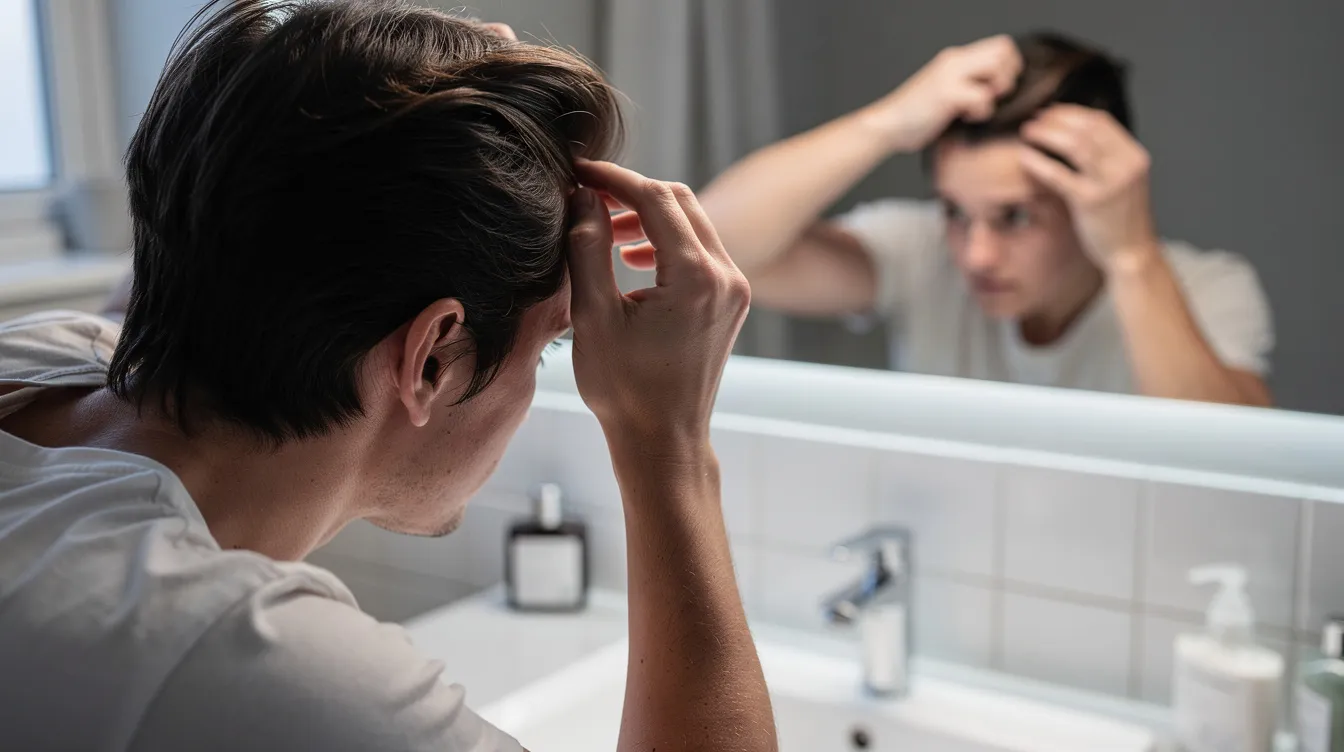
Symptoms: How Hair Loss Shows Up
Hair loss can appear suddenly or develop slowly over months to years. The pattern, speed, and location help hint at the cause.
Common symptoms include:
-
Gradual thinning on top of the head
-
Receding hairline or widening part
-
Patchy hair loss with smooth, oval bald spots
-
Overall volume reduction
-
Bald patches in specific areas
People with textured or curly hair may notice excessive hair shedding during detangling or when taking down protective styles like braids. Observing the pattern of hair loss—whether it’s patchy or overall thinning—can help identify the underlying cause.
Scalp changes may accompany some conditions: redness, itching, scaling, tenderness, or broken short hair at the surface. Taking photos over several weeks helps track changes for your healthcare provider.
When to See a Doctor or Specialist
Seek medical evaluation if hair loss is persistent, worsening over 3–6 months, or causing emotional distress.
Red flags requiring prompt attention:
-
Sudden or patchy hair loss (possible alopecia areata)
-
Scalp pain, severe itching, burning, or visible sores
-
Hair loss with fatigue, weight changes, or menstrual irregularities
Women noticing frontal recession or rapid part widening should get early evaluation to reduce permanent follicle damage risk. A dermatologist can use blood tests to check thyroid or iron levels, or perform scalp biopsies to diagnose conditions affecting hair loss.
Common Causes of Hair Loss
Hair loss rarely has a single cause. Genetics, hormones, medical conditions, lifestyle, and haircare habits often interact.
Genetics is a major factor in hair loss, with hereditary conditions like androgenetic alopecia affecting approximately 80 million Americans. This most common type appears as male pattern baldness (M-shaped recession and crown thinning) or female pattern baldness (diffuse top-of-scalp thinning with widening part).
Other types of hair loss include stress-related telogen effluvium, autoimmune conditions, scalp infections, nutrient deficiencies, certain medications, and tight hairstyles that damage hair follicles.
Stress, Hormones, and Life Events
High stress levels can trigger a condition known as telogen effluvium, causing hair follicles to enter a resting phase and leading to significant hair loss a few months after a stressful event. Excessive hair shedding can occur 2 to 3 months after a traumatic or stressful event due to increased cortisol levels, which negatively affect hair growth.
Hormonal fluctuations during events such as pregnancy, menopause, or thyroid disorders can lead to temporary or long-term hair loss. During pregnancy, high estrogen prolongs growth phases, making hair appear fuller. Postpartum, estrogen drops cause noticeable hair shedding, typically peaking around 4 months and improving by baby’s first birthday.
Menopause brings declining estrogen and relative androgen dominance, contributing to female pattern hair loss. Conditions like polycystic ovary syndrome and thyroid disorders disturb hormone balance, often presenting with irregular periods, acne, or weight changes alongside thinning hair.
Medical Conditions and Patchy Hair Loss
Alopecia areata is an autoimmune condition where the immune system mistakenly attacks hair follicles, creating smooth, round bald spots on the scalp, beard, or eyebrows. Medical conditions, including autoimmune diseases like alopecia areata and scalp infections, can disrupt the hair growth cycle and cause hair loss. Some people experience eyebrow or eyelash thinning and nail changes.
Scalp infections such as ringworm cause scaly patches, broken hairs, black dots, and sometimes pus-filled areas. These are contagious and require medical treatment. Chronic illnesses, chemotherapy, and severe nutritional deficiencies can cause widespread loss across the body.
Medications and Medical Treatments
Various prescription medications and medical treatments list hair loss as a side effect, appearing weeks to months after starting or adjusting a drug.
Categories often associated with shedding:
-
Certain medications for high blood pressure
-
Mood stabilizers and medications for depression
-
Acne or hormone treatments
-
Cancer therapies including chemotherapy
Certain medications, such as those for depression and chemotherapy, can also trigger hair loss. Never stop prescribed medications abruptly—discuss concerns with your provider about dose adjustments or alternatives. Shedding may slow within 3–6 months after medication changes.
Nutrient Deficiencies and Diet
Healthy hair growth depends on proper nutrition, and deficiencies in iron, zinc, vitamin D, and protein are linked to excessive hair shedding. Hair follicles are metabolically active, requiring sufficient nutrients for normal function.
Restrictive crash diets and unbalanced eating patterns contribute to excessive hair shedding. Iron deficiency is especially common in menstruating women, presenting with fatigue, pale skin, and brittle nails alongside hair thinning.
Seek bloodwork through a healthcare provider rather than self-prescribing high-dose supplements. A nutrient-dense diet emphasizing lean proteins, leafy greens, beans, nuts, and healthy fats supports hair and scalp health.

Haircare Habits and Traction Alopecia
Hairstyling habits such as tight hairstyles and excessive heat or chemical treatments can cause damage to hair follicles, leading to breakage or hair loss. Overstyling, excessive heat, harsh chemical treatments, and tight hairstyles can lead to traction alopecia, where hair is pulled from the roots and gradually stops growing.
This condition called traction alopecia commonly affects hairlines and edges. Repeated chemical processing, high-heat styling with curling irons, harsh shampoos, and rough detangling weaken hair shafts, causing breakage mistaken for loss.
Protective measures:
-
Alternating hairstyles and avoiding tight hairstyles can help prevent traction alopecia
-
Limit direct heat and choose sulfate-free cleansers
-
Loosen tension around the hairline
-
Watch for early signs: soreness, small bumps, or thinning temples
Adopting a gentle hair care routine, avoiding heat styling and tight hairstyles can improve hair health and prevent damage.
Risk Factors: Who Is More Likely to Lose Hair?
While anyone can experience hair loss, certain risk factors increase likelihood.
|
Risk Factor |
Impact |
|---|---|
|
Family history |
First-degree relatives with pattern baldness confer 4x higher risk |
|
Age |
Risk doubles every decade after mid-30s |
|
Medical conditions |
Thyroid disorders, autoimmune diseases, severe anemia |
|
Lifestyle |
Chronic stress, smoking, poor sleep, nutrient-poor diet |
|
Hormonal changes |
Pregnancy, menopause, hormonal changes affect women significantly |
Women face compounded risks from menstrual iron loss, pregnancy, and menopause. Modifiable factors like stress and diet can be addressed to support better scalp health.
Diagnosis: How Professionals Evaluate Hair Loss
Dermatologists use history, physical examination, and tests to determine types of hair loss and treatment options.
Typical evaluation includes:
-
Questions about timing, family history, recent pregnancies, illnesses, stressors, medications, and supplements
-
Scalp exam checking for redness, scaling, scarring, and hair miniaturization
-
“Pull test” assessing how many hairs detach with gentle tug
-
Laboratory tests for iron status, thyroid function, vitamin D levels
In complex cases, a small scalp biopsy distinguishes scarring from non-scarring alopecias.
Hair Loss Treatment Options

Effective hair loss treatment depends on the underlying cause—hair loss depends on factors such as hormonal changes, stress, or medical conditions, so treatment approaches should be personalized. It is important to consult a healthcare provider to determine the most appropriate treatment plan for your specific situation.
Treatment options include medical therapies, procedural options, supportive lifestyle strategies, and carefully chosen natural products targeting hair growth concerns. Some loss can be slowed or partly reversed with early intervention, while long-standing follicle damage may be difficult to restore. Improvement typically takes several months of consistent treatment.
Medical and Clinical Treatments
Minoxidil (Rogaine®) is an FDA-approved medication for treating female pattern hair loss and is available in 2% and 5% solutions over the counter. Light therapy options, such as the HairMax Lasercomb® and Theradome LH80 PRO® helmet, are FDA-approved treatments for hair loss.
Treatment choices differ for male pattern baldness, female pattern baldness, alopecia areata, telogen effluvium, or scarring alopecias. Correct diagnosis is essential. With telogen effluvium from stress, surgery, or pregnancy, new hair may regrow without intensive treatment once triggers resolve.
Medical treatments should always be supervised by a professional, especially for those pregnant, breastfeeding, or managing chronic conditions.
Lifestyle Changes and Scalp-Friendly Habits
Excessive shedding can occur due to temporary stressors like severe illness or rapid weight loss. Stress management techniques like yoga and meditation can help mitigate stress-induced hair loss.
Supportive lifestyle changes: For additional guidance on routines and ingredients that complement these habits, you can explore detailed natural beauty and self-care insights.
-
Regular physical activity and better sleep routines
-
Balanced diet rich in protein, iron-containing foods, and healthy fats
-
Gentle, natural hair care products like sulfate-free shampoos, conditioners, and oils
-
Spacing out chemical treatments on the scalp
-
Giving edges and hairline regular breaks from tension
To maintain healthy hair, it is essential to practice gentle styling habits and avoid damaging treatments as part of your routine.
Changes may take several months to show visible improvements in hair thickness and shedding patterns.
Supporting Hair and Scalp Health with IWELL US
IWELL US is a clean beauty brand based in the United States, specializing in natural, plant-based hair, body, and skin care formulated with carefully selected oils, herbs, and botanicals.
While IWELL US products don’t treat underlying diseases like alopecia areata or hormonal disorders, they support a healthy scalp environment and stronger strands as part of a holistic routine.
Relevant product categories:
-
Gentle cleansers for regular scalp care
-
100% pure carrier oils for scalp massage improving moisture and comfort
-
Herbal mixes conditioning and protecting textured hair from breakage
Try weekly pre-shampoo oil treatments: massage lightweight Batana or other nourishing natural oil into the scalp for a few minutes, followed by a mild cleanser and deep conditioner. Those valuing cruelty-free, chemical-conscious formulations can explore IWELL US’s official selection of natural beauty products online, pairing them with healthcare provider guidance.

Prevention and Long-Term Hair Health
Hereditary forms like male pattern baldness and female pattern baldness cannot be completely prevented, but early attention can slow progression and preserve more hair.
Practical preventive steps:
-
Avoid very tight hairstyles
-
Minimize harsh chemical treatments and frequent bleaching
-
Limit thermal damage from flat irons and blow dryers
-
Regular cleansing to remove buildup
-
Gentle detangling from ends to roots
-
Periodic trims to prevent split ends
Manage systemic risk factors by keeping chronic conditions well-controlled and addressing new symptoms like fatigue or menstrual changes promptly. Combining medically appropriate care with thoughtful lifestyle choices and natural, scalp-friendly products helps create the best environment for long-term hair health.
FAQs
How do I know if my hair shedding is normal or a sign of hair loss?
Losing about 50–100 hairs daily is typically normal, especially after washing or detangling. Normal sheds usually have a tiny white bulb at the end indicating a complete cycle. If you notice sudden increases in hair on pillows, visible widening of your part, or thinning at the hairline for more than a few weeks, it may indicate true hair loss. Try keeping a “shedding diary” for 2–4 weeks with scalp photos to help decide whether to seek professional evaluation.
Can natural oils and herbs actually help with hair growth?
Natural oils and herbal ingredients cannot override serious medical causes of hair loss. However, they support the scalp barrier, reduce dryness, and protect strands from breakage—making hair appear fuller and healthier. Some plant-based ingredients are being studied for potential circulation and irritation benefits, though results vary. IWELL US focuses on clean formulations that complement medical care, particularly for textured and curly hair prone to dryness.
How long does it take to see results from hair loss treatments?
Hair grows slowly—about half an inch per month—so most treatments require at least 3–6 months before meaningful changes appear. You may notice reduced shedding first, followed by baby hairs or increased thickness. Monthly photos are more reliable than daily observation. Consistency matters: stopping treatment too early or using it sporadically is a common reason people feel therapy “didn’t work.”
Should I change my shampoo if my hair is falling out?
Most everyday shampoos don’t directly cause medical hair loss, but harsh formulas with strong detergents can worsen dryness, breakage, and scalp irritation. Switch to gentle, sulfate-free cleansers and avoid overwashing, especially for curly and textured hair. If irritation or sudden shedding started after introducing a new product, stop using it and consult a professional if symptoms persist.
Can I manage hair loss at home, or do I really need to see a doctor?
Mild shedding related to short-term stress, seasonal changes, or styling habits can sometimes be managed with improved haircare, stress reduction, and supportive nutrition. However, anyone with rapid thinning, bald spots, scalp symptoms, or strong family history of early balding should seek professional evaluation. Home care—including natural products from brands like IWELL US—works best as a complement to appropriate medical evaluation when loss is significant or persistent.


